Delhi Dehradun Expressway Set To Transform Hill Travel
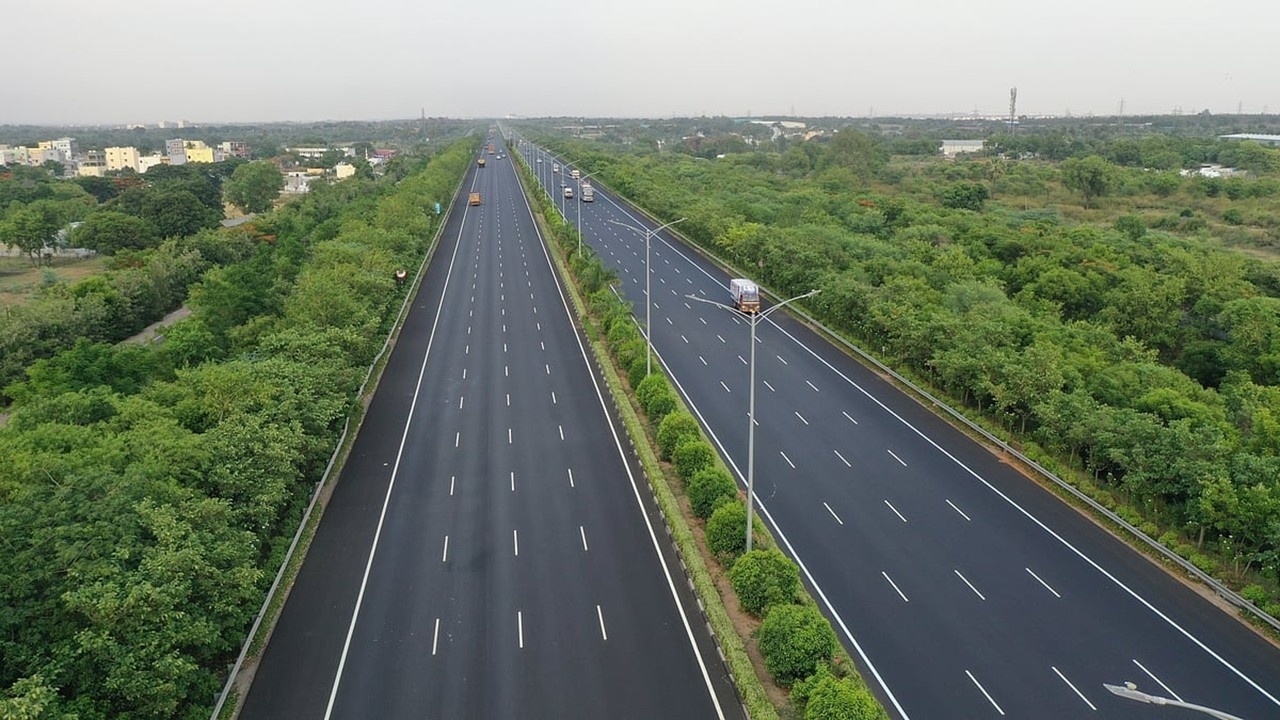
A major transport corridor nearing completion in northern India is poised to significantly transform travel patterns between the national capital and Uttarakhand’s hill districts. The Delhi Dehradun Expressway, a 210-kilometre access-controlled highway, is expected to reduce road travel time between the two cities to nearly two and a half hours, potentially altering tourism flows, regional mobility and real estate development across the corridor. The project, developed as a high-speed expressway designed for uninterrupted traffic movement, represents one of the most ambitious road infrastructure upgrades linking Delhi with the Himalayan foothills. Once operational, it is expected to replace long and unpredictable highway journeys with a more reliable intercity travel experience.
Transport officials say the Delhi Dehradun Expressway has been designed to support signal-free movement and reduce congestion on existing routes that pass through densely populated towns. The corridor connects several districts across western Uttar Pradesh, improving accessibility to cities such as Baghpat, Muzaffarnagar and Saharanpur before reaching Uttarakhand. For travellers heading to the popular hill destination of Mussoorie, located beyond Dehradun, the expressway is expected to shorten the overall journey considerably. Current travel times that often stretch to eight hours or more during peak tourist seasons could be reduced to roughly four hours once connecting road upgrades are completed. Urban planners say the impact of the Delhi Dehradun Expressway goes beyond travel convenience. High-speed corridors frequently trigger new economic activity along their route, particularly in logistics, hospitality and real estate sectors. Land parcels near interchanges often attract commercial development, while improved accessibility encourages tourism and weekend travel. Industry observers expect the expressway to strengthen tourism economies in Uttarakhand by making short trips from Delhi-NCR more feasible. Easier access to hill towns may increase weekend visitor numbers, potentially supporting local hospitality businesses, retail markets and service industries.
However, experts caution that faster connectivity can also bring new challenges for environmentally sensitive mountain regions. Higher visitor volumes may place additional strain on fragile hill ecosystems and already narrow mountain roads that connect major tourist centres. Urban development specialists say this makes coordinated planning essential to ensure tourism growth does not compromise environmental stability. Environmental safeguards have been incorporated into parts of the corridor design, including elevated wildlife passages across forest stretches to maintain ecological connectivity. Such features are increasingly being integrated into major infrastructure projects to minimise disruptions to natural habitats. Regional development analysts also point out that expressways can reshape property markets by expanding commuting zones and opening new investment corridors. Improved road access between Delhi and Uttarakhand may stimulate hospitality projects, second-home developments and tourism-related infrastructure in areas along the route.
As the Delhi Dehradun Expressway moves closer to completion, the project illustrates how modern transport infrastructure can influence mobility, tourism patterns and economic activity across regions. The long-term challenge for planners will be balancing faster connectivity with sustainable tourism management and environmentally responsible urban expansion in the Himalayan foothills.