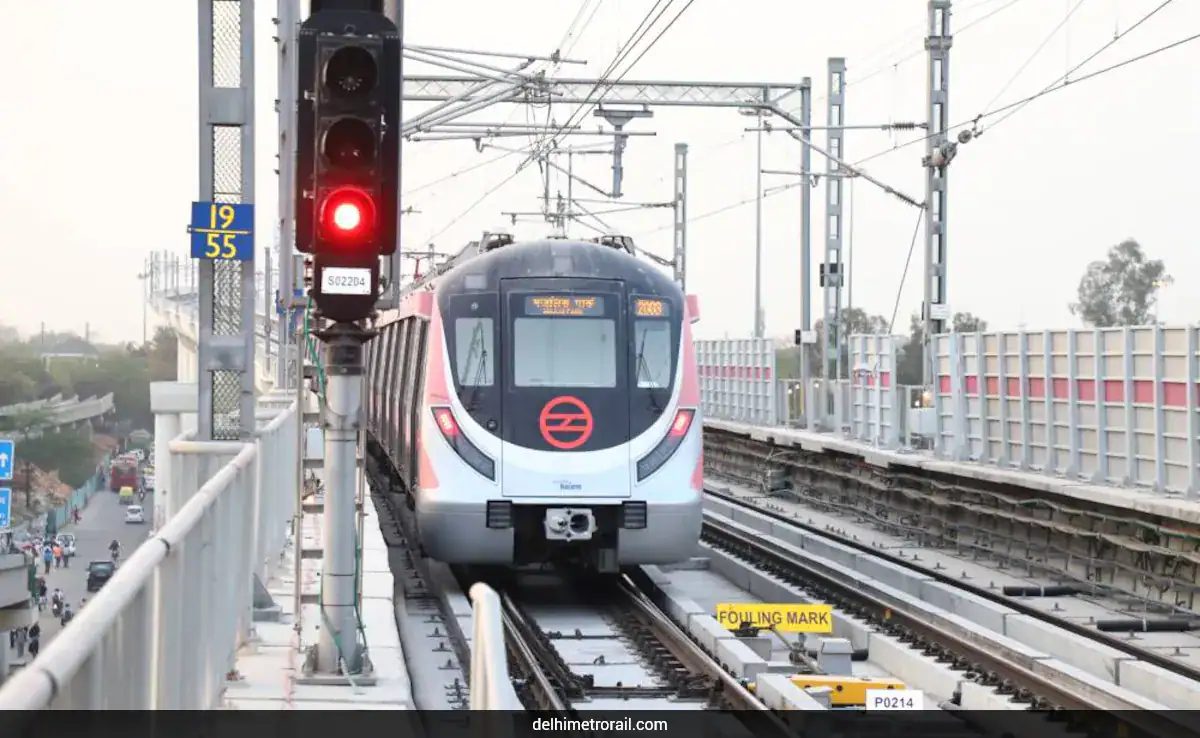
Delhi Metro Collaboration Boosts Urban Rail Expansion
India’s urban transit ecosystem is entering a new phase of collaboration as two major public sector organisations have formalised a metro rail partnership aimed at jointly pursuing urban rail projects in India and international markets. The agreement brings together expertise in metro system implementation and rolling stock manufacturing, signalling a coordinated effort to strengthen the country’s urban mobility infrastructure. The partnership framework focuses on identifying, bidding for and executing metro rail projects while combining technical capabilities across infrastructure delivery, rolling stock production and operational systems. Officials associated with the agreement say the objective is to develop integrated project capabilities that can support the rapid expansion of mass transit networks in growing cities.
Urban mobility experts say such collaborations are becoming increasingly important as metro systems expand beyond metropolitan centres into emerging tier-two and tier-three urban regions. India’s expanding network of metro corridors is central to efforts aimed at reducing traffic congestion, lowering emissions and improving public transport accessibility. The metro rail partnership is expected to leverage complementary strengths. One organisation brings decades of experience in planning, constructing and operating large-scale metro systems, while the other contributes manufacturing capabilities for rail coaches and related transport technologies. Industry analysts say this alignment could strengthen domestic supply chains while reducing reliance on imported technologies. Urban transport planners note that India’s metro sector has grown significantly over the past two decades. Cities including Delhi, Bengaluru, Hyderabad, Mumbai and Chennai have already developed extensive rapid transit networks, while several other cities are building or planning similar systems. As new corridors are proposed, the need for integrated engineering, procurement and operational expertise is rising.
The metro rail partnership may also support the development of indigenous transport technologies. Government policy in recent years has emphasised domestic manufacturing and innovation across infrastructure sectors, including propulsion systems, rolling stock components and specialised construction equipment such as tunnel boring machines used in underground metro construction. Infrastructure economists suggest that strengthening domestic capabilities can help reduce project costs and timelines while improving technical self-reliance. Metro rail systems are complex undertakings that involve multiple layers of engineering—from underground tunnelling and elevated structures to signalling, communication networks and rolling stock integration. Beyond domestic projects, the collaboration may also target opportunities in international markets where urbanisation is accelerating. Several developing regions are expanding mass transit systems as part of broader climate and sustainability commitments aimed at reducing car dependency and lowering urban pollution.
For Indian cities, the broader significance lies in the ability to deliver reliable public transport networks that can support sustainable urban growth. Well-planned metro systems improve connectivity between residential areas, employment centres and social infrastructure, creating more inclusive and efficient urban environments. As metro networks expand across the country, partnerships that integrate manufacturing, engineering and operational expertise are likely to play a critical role in delivering projects at scale. The success of such collaborations could influence how future urban transport systems are designed, built and managed across rapidly urbanising regions.