Lucknow Pollution Campaign Focuses On Dust And Waste Control
Lucknow is preparing to roll out a citywide campaign to tackle rising air pollution levels, with authorities focusing on dust control, waste management and stricter enforcement across key emission sources. The initiative comes amid growing concern over deteriorating air quality and its impact on public health and urban liveability.
The campaign, led by municipal and pollution control agencies, will target construction sites, road dust, open waste burning and vehicular emissions—identified as major contributors to the city’s pollution burden. Officials indicate that enforcement teams will conduct inspections, impose penalties for violations and promote compliance with environmental norms across high-risk zones. At the centre of this initiative is a multi-agency approach, involving coordination between civic bodies, transport authorities and environmental regulators. The effort reflects an increasing recognition that air pollution is not a single-source issue but a cumulative outcome of urban activity, requiring integrated governance responses. The Lucknow air pollution campaign also includes awareness drives aimed at engaging citizens and local businesses. Public participation is expected to play a critical role, particularly in reducing practices such as open burning of waste and ensuring compliance with construction guidelines. Authorities are planning outreach programmes to encourage behavioural change alongside enforcement measures.
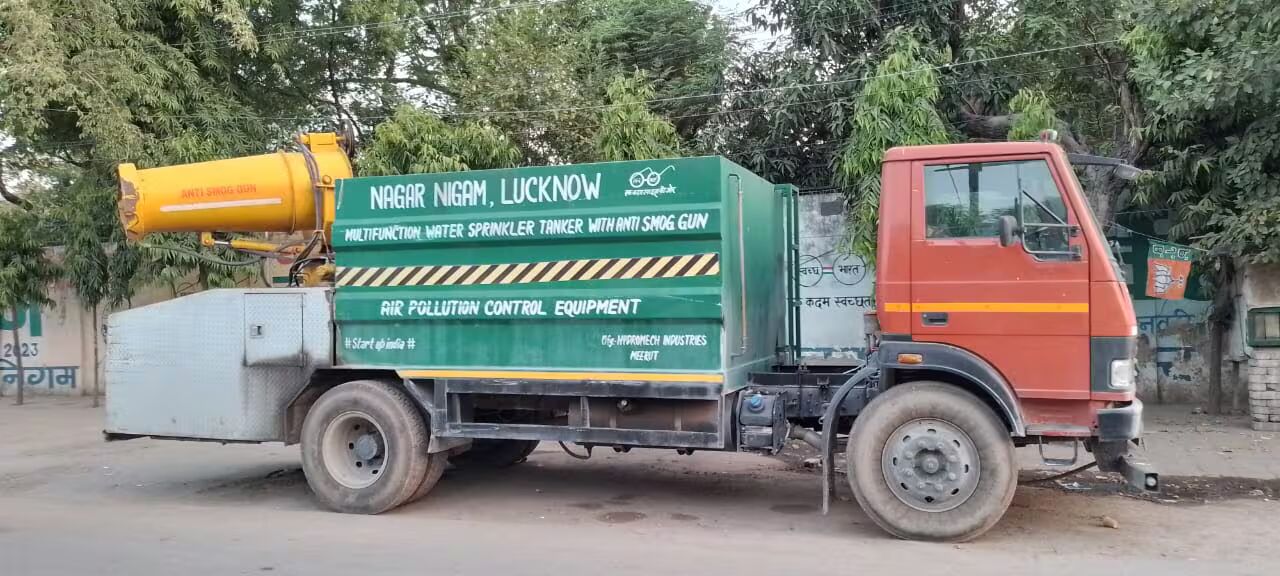
Urban planners note that cities like Lucknow face a complex mix of pollution sources due to rapid urbanisation and infrastructure expansion. Construction activity, while essential for growth, often generates significant dust if not properly managed. Similarly, unpaved road shoulders and inadequate waste disposal systems contribute to airborne particulate matter. The campaign’s focus on dust suppression—through measures such as water sprinkling and covering of construction materials—addresses one of the most persistent challenges in urban air quality management. At the same time, stricter monitoring of vehicular emissions is expected to complement these efforts, particularly in high-traffic corridors. The Lucknow air pollution campaign is also aligned with broader national frameworks aimed at improving air quality in non-attainment cities. However, experts caution that short-term drives must evolve into sustained, institutionalised interventions to deliver lasting results. Episodic enforcement without long-term monitoring and infrastructure upgrades may have limited impact.
From a public health perspective, the urgency is clear. Prolonged exposure to poor air quality is linked to respiratory illnesses, cardiovascular conditions and reduced productivity. In densely populated urban areas, the health burden can disproportionately affect vulnerable groups, including children, the elderly and outdoor workers. The initiative also has implications for urban planning. Reducing pollution requires integrating environmental considerations into infrastructure development, transport planning and waste management systems. This includes promoting green buffers, improving public transport and adopting cleaner construction practices. Authorities are expected to monitor the campaign’s outcomes and assess its effectiveness over the coming weeks.
The success of the Lucknow air pollution campaign will depend on consistent enforcement, citizen engagement and the ability to translate short-term action into long-term environmental governance. As Lucknow continues to expand, managing air quality will remain a central challenge. The current campaign represents an important step, but sustained improvements will require systemic changes that align urban growth with environmental sustainability and public health priorities.