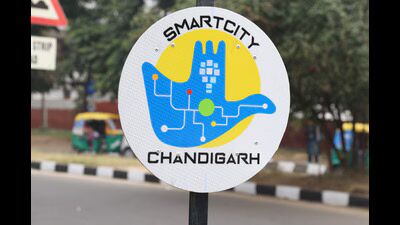
Chandigarh Smart City Audit Demand Raises Transparency Concerns
A call for a comprehensive review of Smart City projects in Chandigarh has brought renewed attention to transparency, financial accountability and long-term urban outcomes, as the city reassesses the impact of one of India’s flagship urban missions. During a recent municipal deliberation, city leadership directed officials to prepare a detailed white paper outlining project-wise expenditures, implementation status and outcomes under the Smart Cities framework. The move comes amid growing concerns over delays, operational gaps and unresolved issues linked to several completed and ongoing initiatives.
The demand reflects a broader shift in urban governance—from project delivery to post-implementation accountability. Chandigarh’s Smart City programme, operational between 2016 and 2025, saw investments exceeding ₹900 crore across infrastructure, water systems, waste management and digital governance platforms. However, multiple councillors have raised concerns that several projects have not delivered expected outcomes or remain mired in operational challenges. These include issues related to maintenance contracts, utilisation of assets and clarity in procurement processes. The white paper is expected to consolidate these concerns into a structured review mechanism, offering insights into both financial and functional performance.
The timing of this intervention is significant. With the formal closure of the national Smart Cities Mission in 2025, cities are now entering a phase where long-term sustainability and governance frameworks must replace centrally driven project cycles. Urban policy experts note that such audits are critical in ensuring that capital-intensive projects translate into measurable improvements in liveability. In Chandigarh, major investments included integrated command and control systems, sewage treatment infrastructure and continuous water supply initiatives—systems that require sustained operational efficiency beyond their initial rollout. The push for a detailed Chandigarh smart city projects review also intersects with recent concerns around financial management and institutional oversight. Reports of irregularities linked to Smart City funds have intensified calls for greater transparency, reinforcing the need for a consolidated audit framework that goes beyond individual project assessments.
From an urban development perspective, the situation highlights a critical lesson for Indian cities: infrastructure creation must be matched with governance capacity. Smart systems—ranging from digital monitoring platforms to waste management infrastructure—require continuous maintenance, skilled personnel and clear accountability structures to remain effective. There is also a broader implication for citizen trust. Smart City initiatives were designed to improve quality of life through technology-enabled governance and infrastructure upgrades. When outcomes fall short or lack transparency, it risks undermining public confidence in large-scale urban programmes.
The proposed white paper on Chandigarh smart city projects could serve as a template for other cities transitioning out of mission-mode implementation. By documenting successes, gaps and financial flows, it may help establish a more transparent and data-driven approach to future urban investments. As Chandigarh re-evaluates its Smart City legacy, the focus is shifting from infrastructure delivery to institutional accountability. The findings of this review could shape how the city—and potentially others—approach the next generation of urban development, where sustainability, transparency and long-term functionality take precedence over short-term project completion.