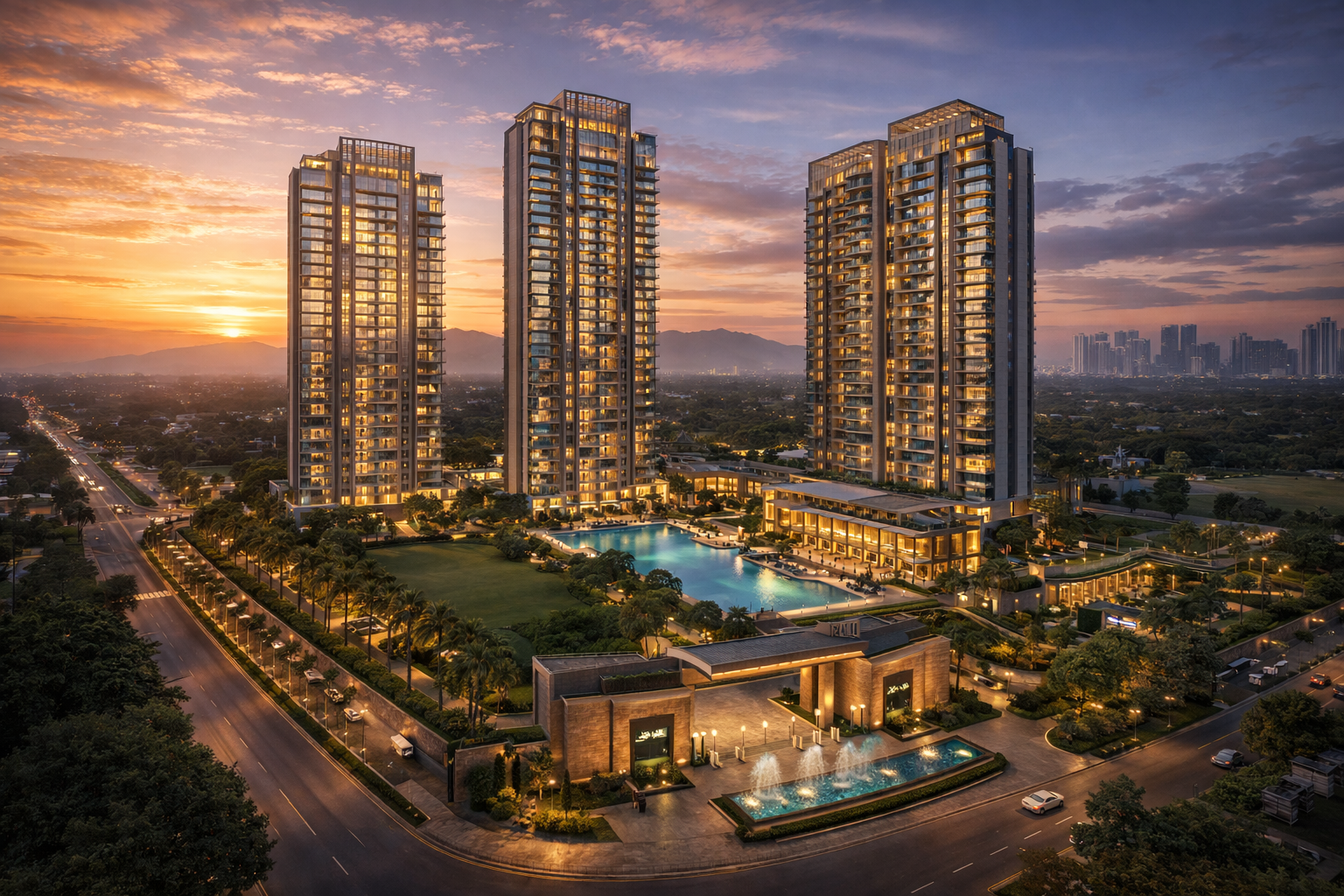
Gurugram Real Estate Redefines Urban Luxury Housing
Gurugram’s residential landscape is witnessing a recalibration, with developers and buyers moving beyond conventional markers of affluence toward a more nuanced understanding of experiential luxury housing. This shift reflects broader changes in urban priorities, where liveability, spatial quality, and trust are increasingly shaping housing demand in one of India’s fastest-growing real estate markets.
For years, premium housing in Gurugram was largely defined by material specifications and vertical scale. However, urban planners note that homebuyers particularly in high-value segments are now placing greater emphasis on how a home supports daily life. This includes access to natural light, reduced density, and layouts that accommodate evolving work-from-home and wellness needs. Industry experts say this trend aligns with the pressures of rapid urbanisation. As Gurugram expands, concerns around congestion, air quality, and infrastructure strain have prompted a rethink of residential design. Lower-density developments, integrated green spaces, and pedestrian-friendly layouts are gaining traction, reflecting a shift toward more climate-responsive and people-centric planning.
Connectivity remains central to this transformation. Proximity to business districts, arterial roads, and transit networks continues to influence property decisions, but buyers are also weighing the trade-off between accessibility and environmental comfort. Developments that offer both efficient access to employment hubs alongside quieter, greener surroundings are emerging as preferred choices.Another notable trend is the growing interest in plotted developments within organised ecosystems. These projects allow residents to customise their homes while benefiting from planned infrastructure, a model that appeals to buyers seeking flexibility and long-term value. Urban economists suggest that such formats could also support more sustainable land use if aligned with robust planning norms and infrastructure provisioning. Trust and transparency are also becoming decisive factors in the experiential luxury housing segment. Delays, regulatory concerns, and uneven quality have historically impacted buyer confidence in the real estate sector. As a result, developers who demonstrate consistent delivery timelines and clear communication are gaining a competitive edge.
From a policy perspective, this evolution underscores the need for urban frameworks that prioritise liveability alongside growth. Experts argue that integrating open spaces, ensuring equitable access to infrastructure, and adopting climate-resilient building practices will be critical as cities like Gurugram continue to densify. The changing definition of luxury from material excess to functional and environmental quality signals a broader shift in how Indian cities are being imagined. As demand patterns evolve, the focus on experiential luxury housing could influence not just high-end developments but also mid-income housing, shaping more inclusive and sustainable urban futures.