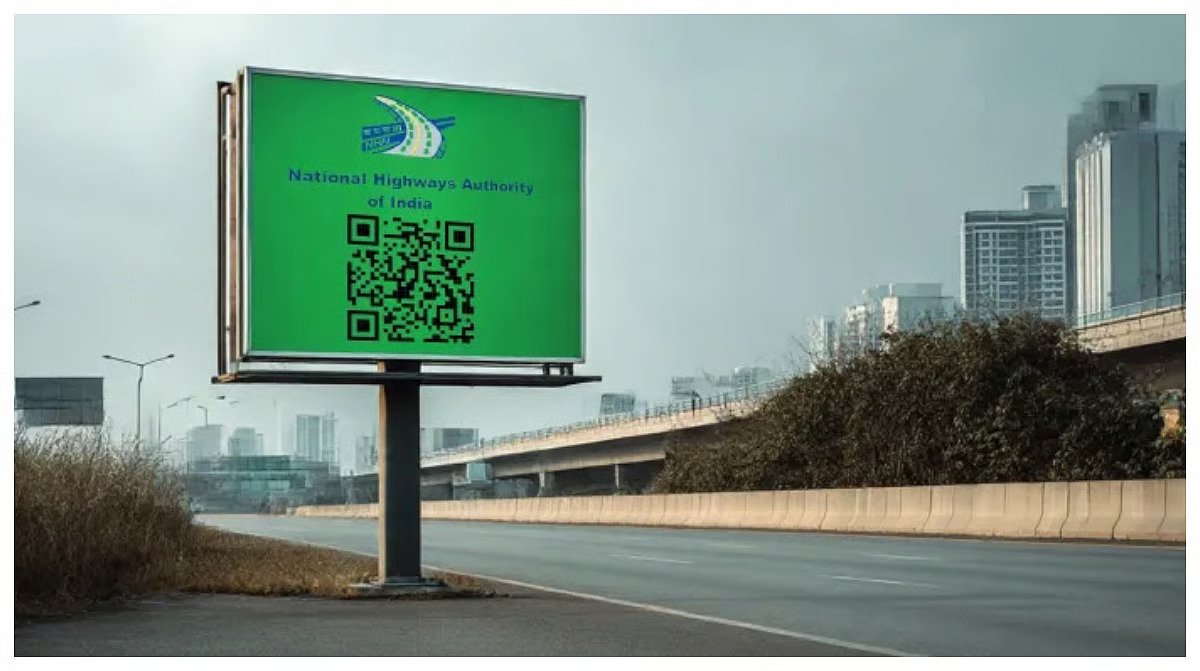
Mumbai’s civic administration is preparing to embed digital storytelling into its streetscape by linking road nameplates to an interactive QR code road history system, an initiative aimed at making the city’s cultural legacy more accessible to residents and visitors. The proposal, currently under consideration, seeks to transform everyday public infrastructure into an information network that connects citizens with the historical figures and local narratives behind nearly 19,000 named roads.
The plan envisions integrating QR codes into existing signage across Mumbai, allowing users to access curated information through mobile devices. Once scanned, these codes would direct users to a digital interface featuring short-format content such as animations, archival insights, and contextual narratives about the individuals or events associated with specific locations. Urban planners view the QR code road history initiative as part of a broader shift towards digitising public spaces to enhance civic engagement. In a city where rapid development often overshadows historical memory, such interventions could help bridge the gap between heritage conservation and contemporary urban life. By embedding knowledge into infrastructure, the initiative repositions streets not just as transit corridors but as carriers of collective identity.
Officials indicate that the system would also include neighbourhood-level storytelling, offering insights into how specific areas evolved over time. This is particularly relevant in older precincts, where place names often reflect economic histories—such as trading zones, industrial clusters, or community settlements that shaped Mumbai’s growth. For instance, several localities derive their names from past economic activities or cultural landmarks, which remain largely undocumented in public-facing formats. From a governance perspective, the initiative aligns with efforts to deploy low-cost digital tools for urban communication. Unlike large-scale museum projects, QR-based systems can be scaled incrementally and updated dynamically, making them suitable for a city with diverse and evolving narratives. However, experts caution that the success of the QR code road history model will depend on the accuracy, depth, and inclusivity of the content being presented.
There are also implementation challenges. Ensuring standardisation across thousands of signboards, maintaining digital infrastructure, and safeguarding against vandalism or data inaccuracies will require sustained administrative oversight. Collaboration with historians, archivists, and local communities is expected to be critical in building a credible and representative knowledge base. The proposal also reflects a growing recognition of the economic potential of cultural mapping. By enhancing the visibility of lesser-known historical figures and neighbourhoods, the initiative could contribute to decentralised tourism and local economic activity, particularly in areas beyond established heritage circuits.
As the project moves towards deliberation, it signals a new direction in how cities like Mumbai integrate technology with public infrastructure. If implemented effectively, the initiative could redefine how urban residents interact with their surroundings—turning routine commutes into opportunities for learning and engagement while preserving the city’s layered history in a digital format.
Mumbai Introduces QR Codes On Road Signboards