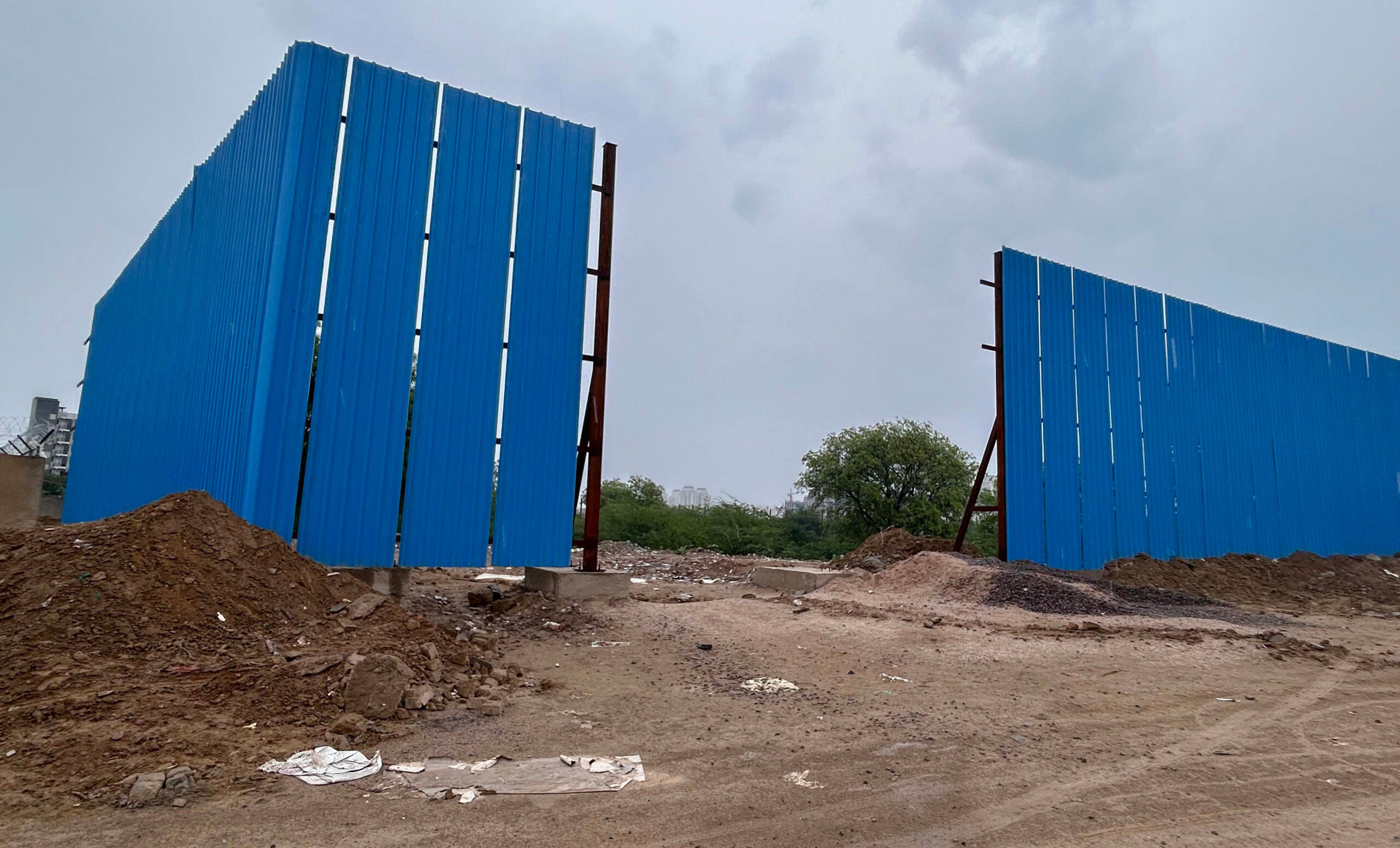
Rapid residential development along the Dwarka Expressway in Gurugram is drawing renewed scrutiny after residents in one of its emerging neighbourhoods highlighted infrastructure gaps and environmental concerns tied to nearby civic projects. In Gurugram Sector 106, homeowners say several promised urban amenities remain incomplete even as the area evolves into a high-value residential corridor. The neighbourhood, located along one of the National Capital Region’s most prominent infrastructure corridors, currently houses thousands of residents across multiple residential complexes, with additional housing developments still under construction. While the location has attracted significant real estate investment due to improved regional connectivity, residents argue that supporting civic infrastructure has not kept pace with the pace of development.
A major concern involves the construction of a facility intended for processing construction and demolition debris. The proposed installation, planned by the municipal authorities, is situated relatively close to existing residential buildings as well as education and healthcare facilities. Residents worry that the Gurugram Sector 106 project may expose nearby communities to dust pollution and operational disturbances once the facility becomes active. Urban planners note that construction waste management plants are essential components of modern city infrastructure, particularly in rapidly growing regions where building activity generates large volumes of debris. However, the location and environmental safeguards associated with such facilities often determine whether they function as sustainable solutions or sources of local conflict. Environmental regulations governing construction and demolition waste processing typically require buffer zones and pollution control measures, including vegetative barriers and dust management systems. Officials from environmental oversight agencies have indicated that site inspections are expected to review whether the project complies with applicable environmental guidelines.
Beyond the waste facility, residents in Gurugram Sector 106 have also pointed to several everyday infrastructure deficiencies. These include incomplete road connectivity within the sector, gaps in piped natural gas networks, and inadequate sanitation systems. Urban development specialists say such issues often arise in newly developed residential zones where private housing projects are completed faster than municipal infrastructure upgrades. Experts argue that aligning urban services with housing growth remains a critical challenge for expanding metropolitan regions like Gurugram. As new micro-markets emerge around major corridors such as the Dwarka Expressway, ensuring reliable utilities, road infrastructure and environmental planning becomes essential to maintaining long-term liveability. Municipal authorities maintain that the proposed waste processing facility forms part of a broader strategy to manage construction debris more efficiently across the city. Officials say such projects can help streamline waste collection and reduce illegal dumping if implemented with appropriate safeguards. However, urban governance specialists emphasise that transparent planning and community consultation are increasingly necessary as cities densify.
Residential clusters located near large infrastructure or waste management facilities often require careful environmental planning to balance development needs with public health considerations. As Gurugram continues to expand as a major residential and commercial hub in the National Capital Region, the situation in Gurugram Sector 106 illustrates a wider urban challenge: ensuring that high-value housing corridors are supported by equally robust civic infrastructure, environmental safeguards and public amenities.