Delhi MCD Schools Receive Safe Drinking Water Systems
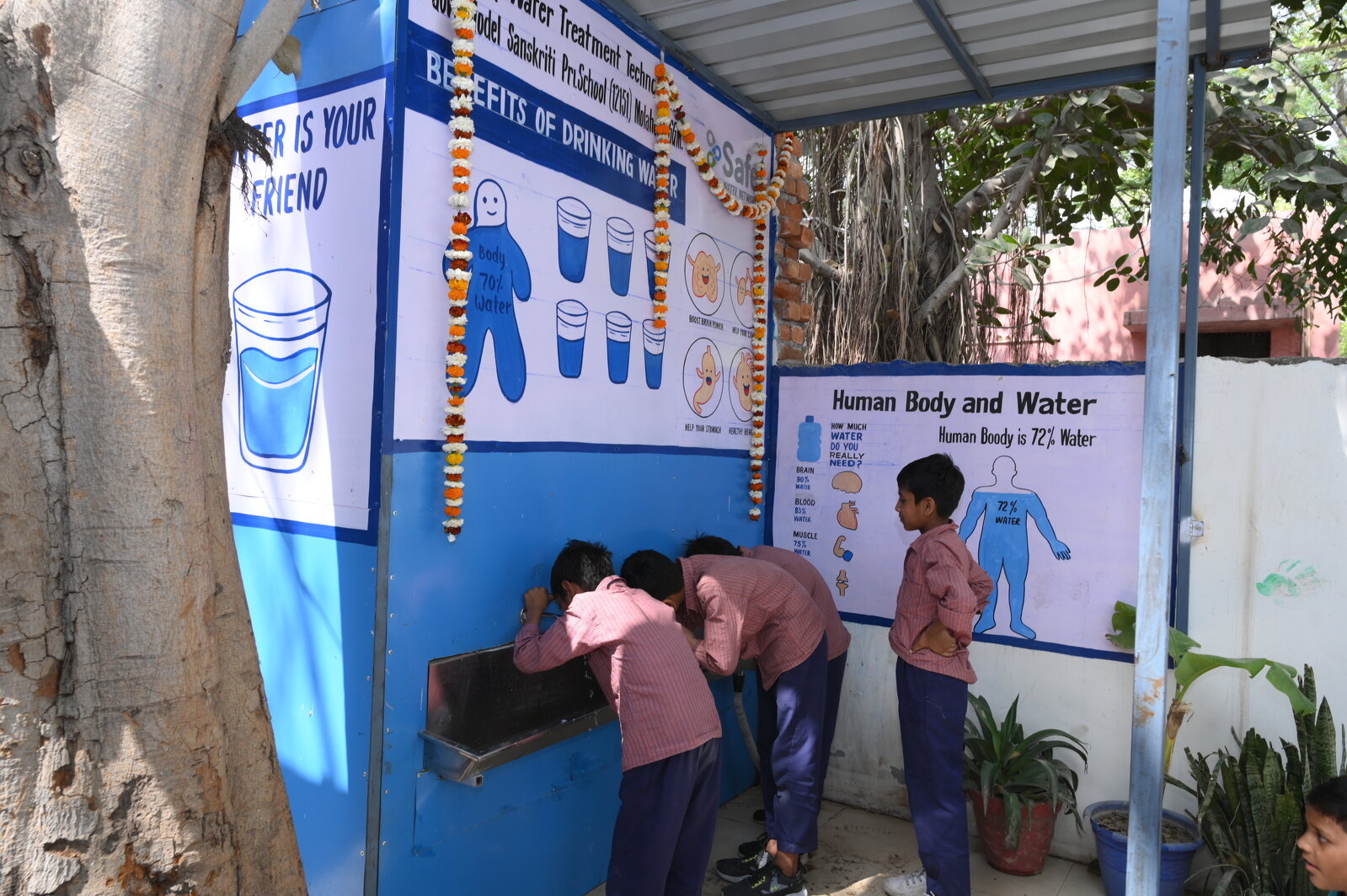
Efforts to strengthen essential public infrastructure in government schools have received a boost in East Delhi, where new safe drinking water facilities have been installed across several municipal institutions. The initiative, implemented through a corporate social responsibility programme, has introduced Delhi school water infrastructure upgrades in dozens of civic schools, improving access to filtered drinking water for thousands of students. The project involves the installation of reverse osmosis-based water purification systems integrated with cooling units across 32 schools managed by the municipal administration in Shahdara North Zone. In total, 56 water cooler systems have been deployed, with the installations expected to benefit more than 25,000 students, the majority of whom are girls enrolled in these institutions.
Urban education experts say improving Delhi school water infrastructure is critical in densely populated areas where government schools serve large student populations. During the summer months, access to safe and cool drinking water becomes particularly important, as rising temperatures can increase health risks such as dehydration and heat stress among children. Officials familiar with the initiative indicated that the programme aims to ensure reliable access to potable water within school premises. The new installations are designed to filter and purify drinking water before distribution, addressing concerns related to water quality that often affect older school facilities with limited filtration systems. The installations were completed in multiple schools located in neighbourhoods such as Brahmpuri, Bhajanpura, Ghonda and Yamuna Vihar. These localities, which form part of the eastern district of the capital, include several municipal schools that cater to students from lower-income households.
Urban planners emphasise that strengthening Delhi school water infrastructure contributes not only to health outcomes but also to broader social goals. Access to basic amenities such as safe drinking water, sanitation and cooling facilities can improve school attendance, particularly during extreme weather periods when infrastructure constraints often discourage regular classroom participation. Experts also note that civic schools in large metropolitan areas frequently operate under resource constraints, making partnerships between public institutions and private sector entities an important mechanism for upgrading essential infrastructure. Beyond immediate health benefits, such interventions support long-term urban resilience by improving the quality of public education environments. In climate-sensitive cities like Delhi, where temperatures regularly exceed safe thresholds during summer, the integration of cooling and water purification systems is increasingly considered a basic requirement rather than an auxiliary facility.
Municipal administrators say continued investment in school infrastructure remains essential as the capital’s population grows and public education networks expand. Analysts suggest that targeted upgrades in areas such as water supply, sanitation and ventilation could significantly improve learning conditions across civic school systems. As urban authorities explore ways to improve public services at the neighbourhood level, initiatives focused on essential amenities within schools may play a crucial role in supporting healthier and more inclusive educational environments across the capital.