


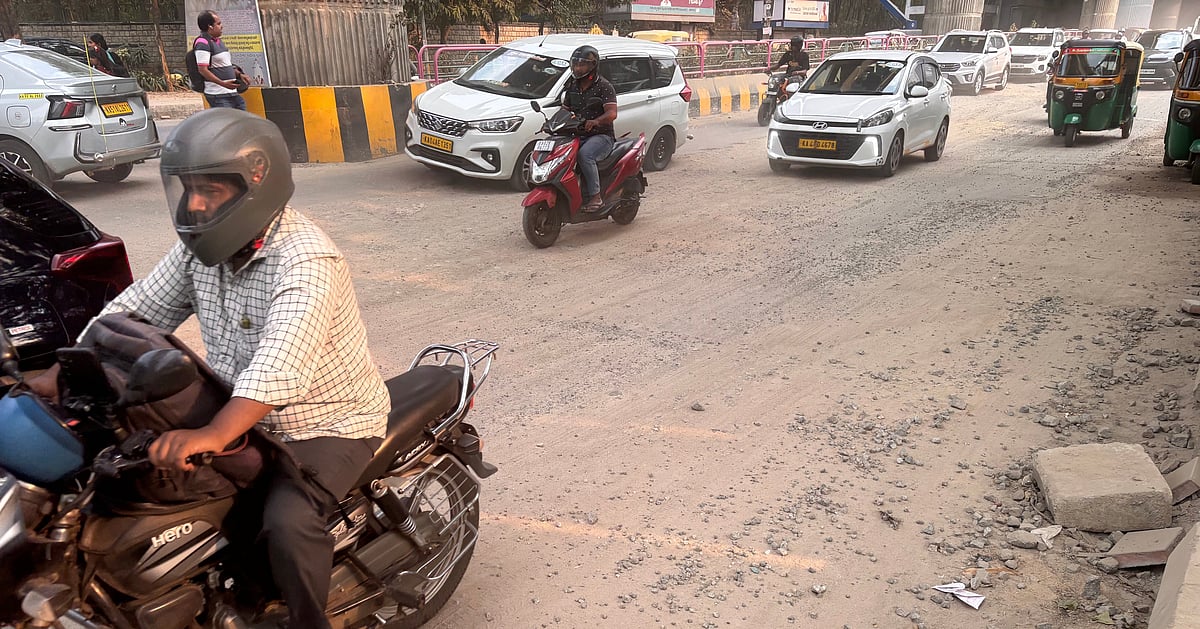
A key arterial stretch in Bengaluru is set for temporary repairs as authorities prepare for a larger overhaul, underscoring the ongoing challenges of maintaining critical urban road infrastructure in a rapidly expanding city.
The stretch along Bannerghatta Road will undergo immediate patchwork to address deteriorating conditions, even as plans for a comprehensive upgrade move forward. The development forms part of the Bengaluru Bannerghatta Road repairs, aimed at restoring basic usability while longer-term solutions are finalised.Officials indicate that the road has experienced significant wear due to heavy traffic volumes, including daily commuter flow and commercial vehicles. Temporary repairs are expected to provide short-term relief, improving drivability and reducing immediate risks to road users.However, urban mobility experts caution that such stopgap measures highlight deeper systemic issues. The reliance on interim fixes often points to delays in executing permanent infrastructure upgrades.The Bengaluru Bannerghatta Road repairs reflect the need for more proactive planning and timely implementation of road maintenance strategies.From a commuter perspective, the condition of major corridors like Bannerghatta Road directly affects travel time, safety, and fuel consumption. Poor road surfaces contribute to congestion, vehicle damage, and increased emissions due to slower traffic movement.There is also an economic dimension. Bannerghatta Road connects residential areas with commercial and institutional hubs, making it a critical link in the city’s urban network. Disruptions or inefficiencies along this corridor can impact productivity and local business activity.
Urban planners emphasise that comprehensive road overhauls should go beyond resurfacing. Integrating drainage systems, utility planning, and pedestrian infrastructure is essential to ensure durability and usability. Without addressing underlying issues such as waterlogging and utility cuts, newly developed roads may deteriorate quickly.The Bengaluru Bannerghatta Road repairs also bring attention to the importance of coordinated infrastructure management.Multiple agencies often handle different aspects of urban services, leading to fragmented execution and repeated disruptions.Sustainability considerations are increasingly relevant. Frequent repairs and reconstruction can increase material use and environmental impact. Durable construction methods and preventive maintenance can reduce long-term costs and resource consumption.Experts suggest that adopting data-driven maintenance systems could improve outcomes. Monitoring road conditions through digital tools and scheduling timely interventions can help prevent severe deterioration and reduce the need for repeated repairs.Public communication is another key factor. Clear timelines and updates can help manage commuter expectations and minimise inconvenience during repair work.Officials are expected to move ahead with the larger overhaul once planning and approvals are completed. The success of the project will depend on how effectively temporary measures transition into a long-term solution.
As Bengaluru continues to grapple with infrastructure demands, the situation on Bannerghatta Road illustrates the broader need for integrated, resilient, and forward-looking urban planning. Ensuring that key corridors are maintained efficiently will be critical to supporting mobility, economic activity, and overall quality of life in the city.
Also Read:Bengaluru Campus To Career Summit Focuses On Employability
