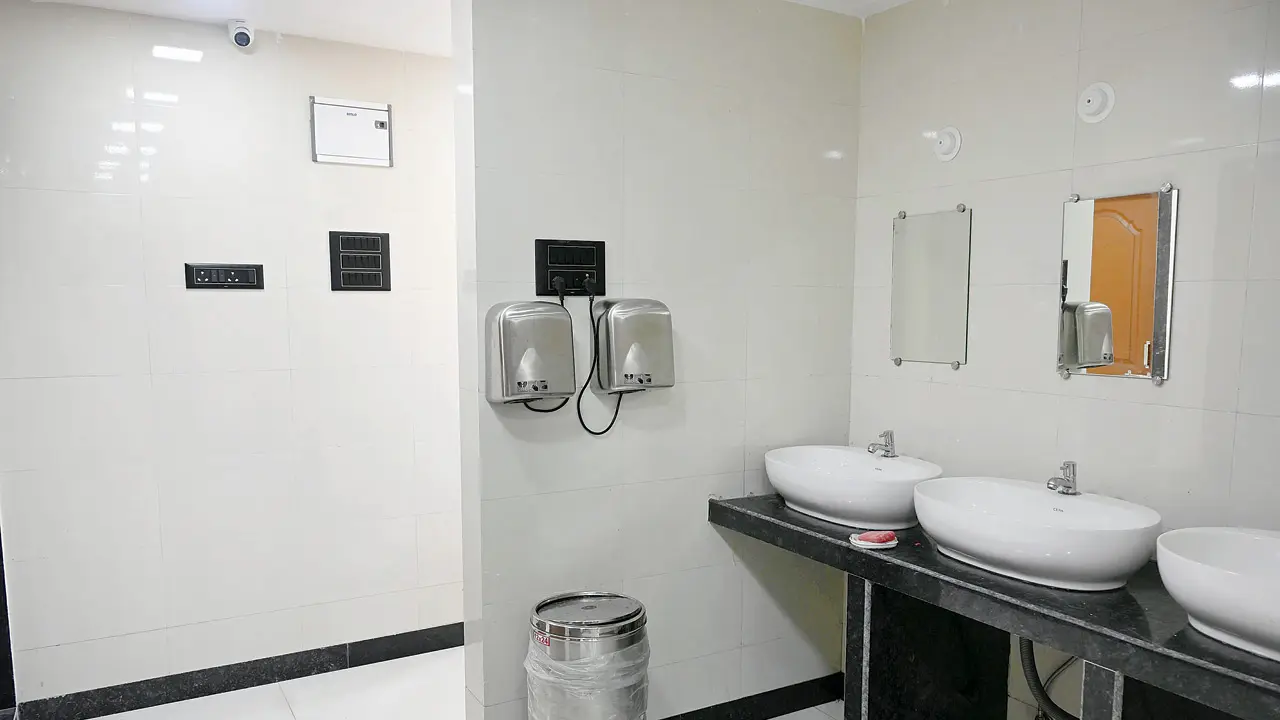
Mumbai’s civic administration has begun deploying a new generation of upgraded public sanitation facilities across key locations in the island city, signalling a shift towards more inclusive and user-centric urban infrastructure. The initiative, branded as “aspirational public toilets,” aims to elevate hygiene standards at high-footfall sites while addressing long-standing gaps in access, dignity, and maintenance across the city’s sanitation network.
The first set of seven facilities has been installed in South Mumbai at locations with heavy daily movement, including heritage precincts, commercial hubs, and government zones. These areas were prioritised due to sustained pedestrian volumes and the presence of tourists, office workers, and informal sector participants. Civic officials indicate that the model will now be extended to suburban Mumbai, with several dozen additional sites already identified following internal surveys. Unlike conventional pay-and-use units, the aspirational public toilets are designed to mirror the quality of sanitation infrastructure typically found in commercial complexes. They incorporate accessible layouts for persons with disabilities, gender-inclusive provisions, and dedicated spaces for women, including baby care areas. The presence of sanitary vending systems, improved ventilation, and mechanised cleaning infrastructure reflects a broader attempt to align public sanitation with evolving urban expectations.
Urban planners view this transition as part of a wider recalibration of how Indian cities approach basic services. Public toilets, often treated as low-priority utilities, are increasingly being recognised as essential civic infrastructure that intersects with public health, tourism, and labour productivity. In dense cities like Mumbai, where informal economies operate round the clock, access to safe and clean sanitation directly affects workforce participation, particularly for women. However, scaling aspirational public toilets across the metropolitan region presents structural challenges. Land scarcity remains a critical constraint, often forcing authorities to utilise footpaths or marginal urban spaces. This raises questions around pedestrian movement and long-term urban design integration. Maintenance sustainability is another concern, as higher-quality facilities require consistent operational funding, trained staff, and robust monitoring mechanisms.
The financial outlay for the current phase has been supported through dedicated urban sanitation funding, with officials emphasising lifecycle management rather than one-time construction. Experts suggest that public-private partnerships and digital monitoring tools could play a role in ensuring these facilities remain functional over time. From a sustainability perspective, several units are being equipped with energy-efficient features such as solar panels and water-saving systems. These elements align with broader climate resilience goals, particularly in reducing the environmental footprint of essential urban services.
As Mumbai prepares to expand aspirational public toilets into suburban districts, the focus will likely shift to balancing accessibility with urban space constraints. The initiative’s long-term success will depend not only on infrastructure rollout but also on public adoption, behavioural change, and consistent upkeep—factors that have historically shaped the trajectory of sanitation projects in Indian cities.
Mumbai Introduces Premium Public Toilets At Major City Locations