


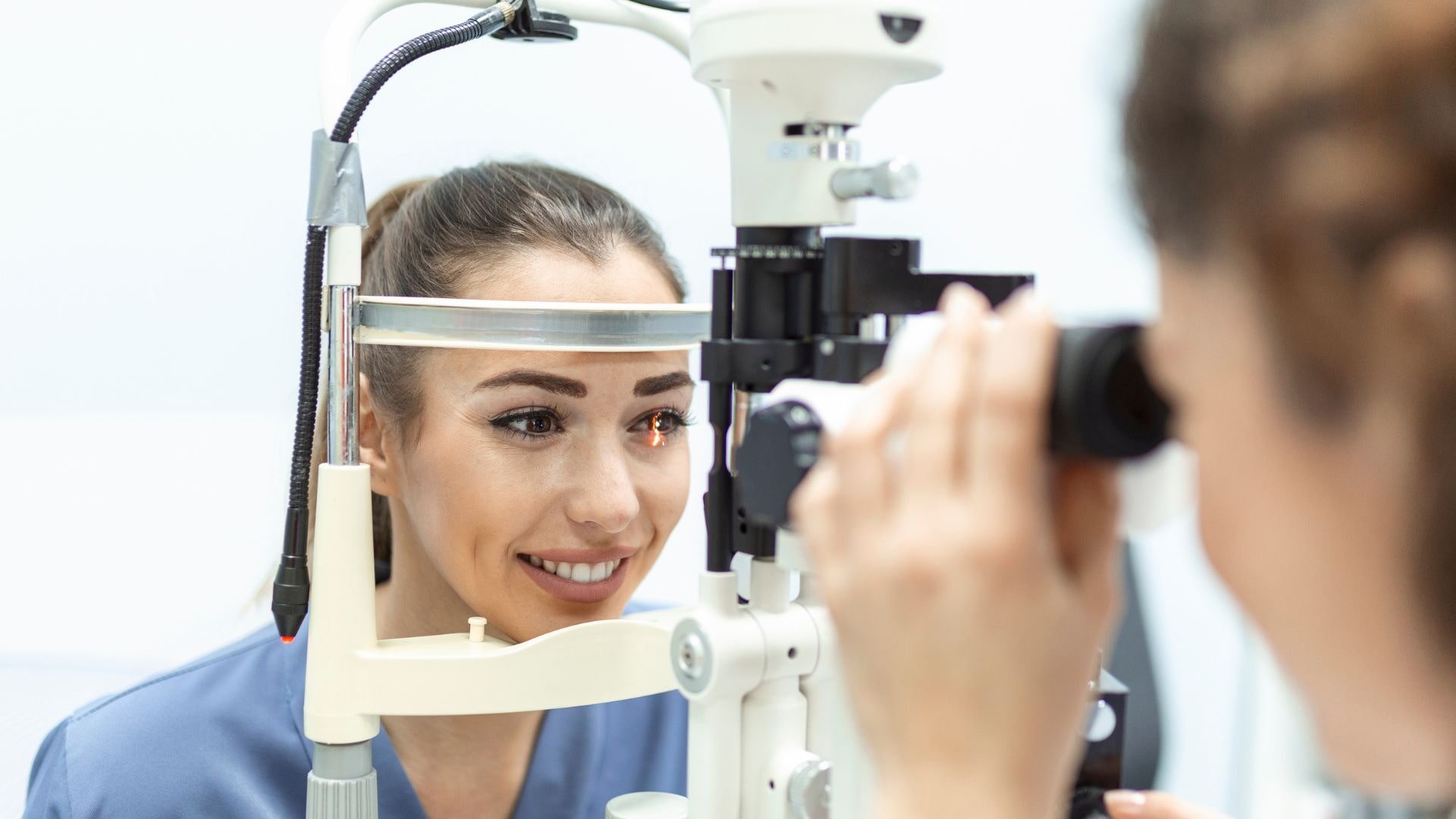
A community-driven health initiative in Chennai is expanding access to essential eye care services, as free screening camps continue to play a crucial role in early detection and preventive healthcare.
The latest outreach programme reflects the growing importance of decentralised medical services in urban environments.Organised with support from healthcare professionals and local institutions, the initiative is part of the broader Chennai free eye camp effort aimed at reaching underserved populations. These camps provide basic eye examinations, vision testing, and referrals for further treatment, particularly benefiting those who may not regularly access formal healthcare facilities.Public health experts note that early detection of vision-related issues is critical in preventing long-term complications. Conditions such as cataracts, refractive errors, and glaucoma can often be managed effectively if identified at an early stage. The Chennai free eye camp model helps bridge gaps in awareness and accessibility, especially among low-income groups.Urban healthcare systems in cities like Chennai face increasing pressure due to population growth and rising demand for services. Community-based interventions offer a complementary approach, reducing the burden on hospitals while ensuring that preventive care reaches a wider audience.There is also a socio-economic dimension to such initiatives. Poor vision can significantly impact productivity, education, and quality of life. By providing timely diagnosis and treatment pathways, eye care programmes contribute to improved economic participation and social inclusion.From an urban planning perspective, the integration of health services into community spaces reflects a shift towards more inclusive city design.
Accessible healthcare is a key component of livable cities, and decentralised models can enhance resilience by bringing services closer to residents.The initiative aligns with efforts by organisations such as the National Programme for Control of Blindness and Visual Impairment, which emphasise reducing preventable blindness through awareness and early intervention.Experts highlight the importance of sustained engagement. While one-time camps provide immediate benefits, long-term impact depends on follow-up care, consistent outreach, and integration with formal healthcare systems. Digital health records and referral networks can improve continuity of care.There is also a gender and inclusivity aspect. Women, elderly individuals, and children often face barriers in accessing healthcare services.Community-based camps can help address these gaps by offering convenient and accessible options.However, scaling such initiatives requires coordination between government agencies, non-profit organisations, and private healthcare providers. Adequate funding, trained personnel, and logistical support are essential for expanding reach and maintaining quality.As Chennai continues to evolve, the role of preventive healthcare initiatives will become increasingly important. The Chennai free eye camp programme demonstrates how targeted interventions can address specific health needs while contributing to broader urban well-being.
Looking ahead, integrating such efforts into a larger public health framework can help ensure that access to essential services is equitable, efficient, and sustainable—supporting a healthier and more inclusive urban population.
Also Read:Chennai Special Trains April Boost Mangaluru Connectivity
