Delhi NCR Micro Markets Gain Ground In Housing Growth
Delhi–NCR’s residential property landscape is undergoing a structural shift as homebuyer demand increasingly gravitates toward emerging micro-markets shaped by infrastructure connectivity rather than legacy city addresses. Industry analysts say this change is redefining where housing growth will concentrate across the region, with new corridors and transit-linked zones beginning to influence long-term property values and development patterns. Over the past few years, residential prices in parts of the National Capital Region have recorded steady appreciation, broadly tracking inflation levels. However, market observers note that the next phase of growth is unlikely to be uniform across the region. Instead, the strongest demand is expected in areas where connectivity, employment access and social infrastructure combine to create functional urban neighbourhoods.
The rise of NCR housing micro markets is closely tied to infrastructure expansion across the metropolitan region. Transport corridors such as the Dwarka Expressway, Southern Peripheral Road and sections of the NH-8 corridor have gradually transformed surrounding neighbourhoods into viable residential clusters. Improvements in metro connectivity and regional mobility networks are further strengthening these locations by reducing commute times to employment hubs. Urban planners say this transition reflects a broader evolution in homebuyer priorities. Instead of focusing only on traditional central districts, buyers are increasingly prioritising liveability factors such as efficient travel routes, access to workplaces and the availability of schools, healthcare facilities and commercial services within close proximity. As a result, infrastructure-led micro-markets are emerging as new focal points of residential expansion. However, experts caution that not all new development zones will sustain long-term momentum. In recent years, the bulk of new housing supply in the region has been concentrated in luxury and ultra-luxury segments. While these projects have generated investor interest, the buyer base for high-priced properties remains relatively limited.
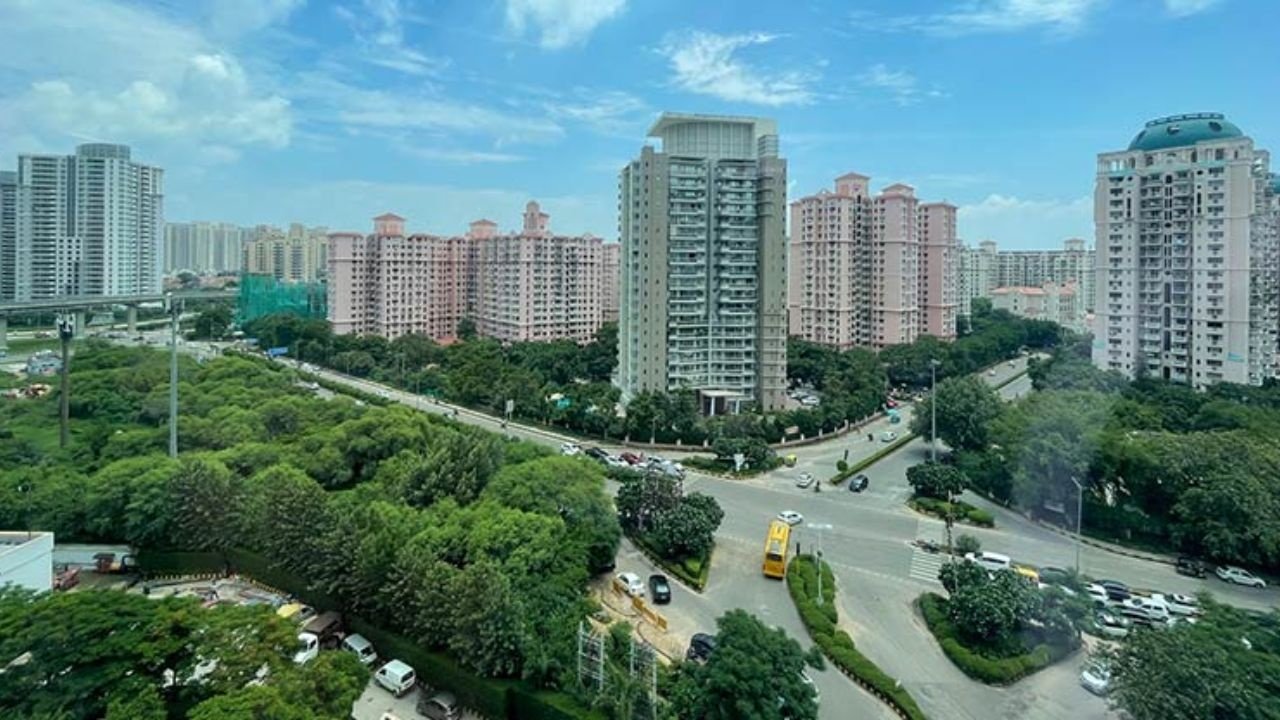
Industry analysts suggest that the ₹2–5 crore housing bracket currently represents the deepest demand segment, driven primarily by end users rather than speculative investors. Micro-markets that align housing design, pricing and connectivity with this segment are expected to demonstrate more stable absorption levels. Developments in emerging neighbourhoods of Gurugram, including areas near expanding transport corridors, illustrate how such NCR housing micro markets can evolve. With improving road infrastructure, growing commercial activity and proximity to employment zones, several peripheral locations are gradually developing into self-sustaining urban clusters. Beyond connectivity, market participants are increasingly evaluating projects on a broader set of parameters. These include developer execution track records, financial stability, project density, open space planning and the overall design of residential communities. According to urban development specialists, these factors can significantly influence both liveability and long-term property performance.
As the NCR continues to expand, the success of emerging residential pockets may depend less on speculative demand and more on balanced urban planning. Analysts believe micro-markets supported by infrastructure, employment access and realistic pricing are likely to shape the next chapter of housing growth across the region.