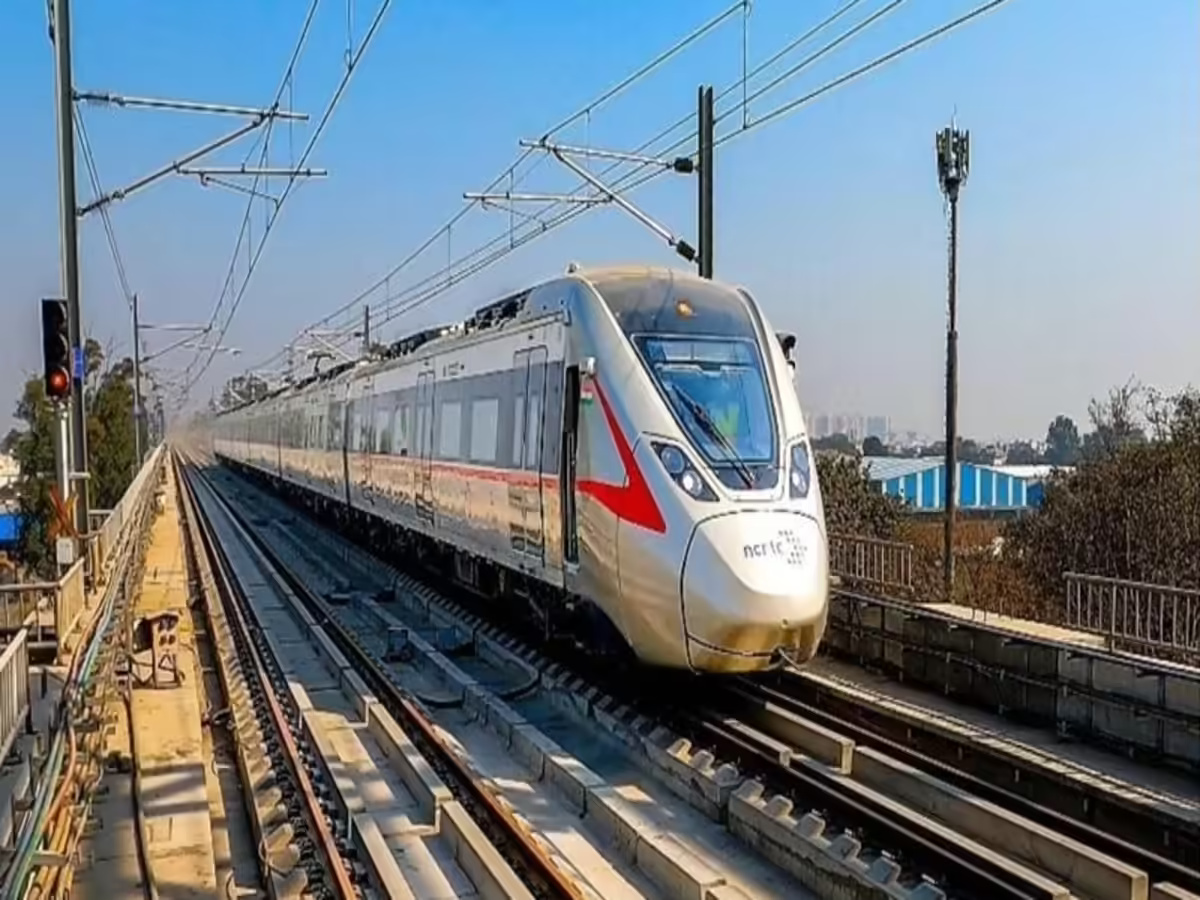
Delhi Strengthens Namo Bharat Corridor Security Framework
Security oversight on Delhi’s high-speed regional transit network has been strengthened after federal authorities approved the deployment of a central security force along the capital’s section of the Namo Bharat corridor. The move places the Delhi stretch of the Regional Rapid Transit System under specialised protection typically reserved for critical infrastructure such as airports, metro systems and strategic facilities. Authorities confirmed that several hundred personnel have been assigned to safeguard stations and associated infrastructure across the corridor segment within the national capital. The deployment focuses particularly on major transit hubs that connect the rapid rail line with other public transport networks, including stations in eastern and central Delhi.
Urban transport experts say the decision reflects the growing strategic importance of the Namo Bharat corridor, which forms part of India’s first regional rapid transit network linking Delhi with neighbouring cities in the National Capital Region. Designed for faster intercity travel, the system aims to reduce travel times between economic centres while easing congestion on highways and traditional rail routes. The Delhi section forms part of the first operational phase of the corridor, which includes multiple stations connecting the capital with urban clusters in Uttar Pradesh. Security arrangements for the project have been structured as a coordinated effort between different state and central agencies, with personnel in neighbouring states operating under separate regional security forces. Officials involved in the transition say the introduction of a specialised federal security presence will align safety procedures with those already used in other high-capacity public transport systems. The force is expected to oversee passenger screening, surveillance monitoring and emergency response protocols designed for high footfall transit environments.
Transport planners note that the integration of advanced security systems has become a critical element of modern urban rail infrastructure. Rapid transit corridors often carry thousands of commuters daily and serve as intermodal hubs connecting buses, metro lines and suburban rail services. Ensuring operational safety in such networks requires sophisticated crowd management strategies alongside surveillance and monitoring systems. Training programmes have also been conducted to ensure that security practices remain consistent across the entire RRTS network. Personnel from regional security units responsible for protecting stations outside Delhi have participated in joint exercises focused on passenger safety procedures, crowd control measures and emergency preparedness. Experts say such coordination is essential for a corridor that crosses administrative boundaries and serves commuters from multiple cities. A unified security approach can help maintain smooth passenger movement while responding quickly to unexpected incidents or peak travel surges.
The Namo Bharat corridor is expected to play a major role in reshaping mobility across the National Capital Region by providing a faster and more reliable alternative to road travel. As more sections of the network become operational in the coming years, authorities are likely to expand integrated security systems alongside technological upgrades in signalling, passenger information and station management. For Delhi’s rapidly evolving transit ecosystem, the strengthened security framework highlights the increasing focus on resilience, safety and operational efficiency within next-generation public transport infrastructure.