



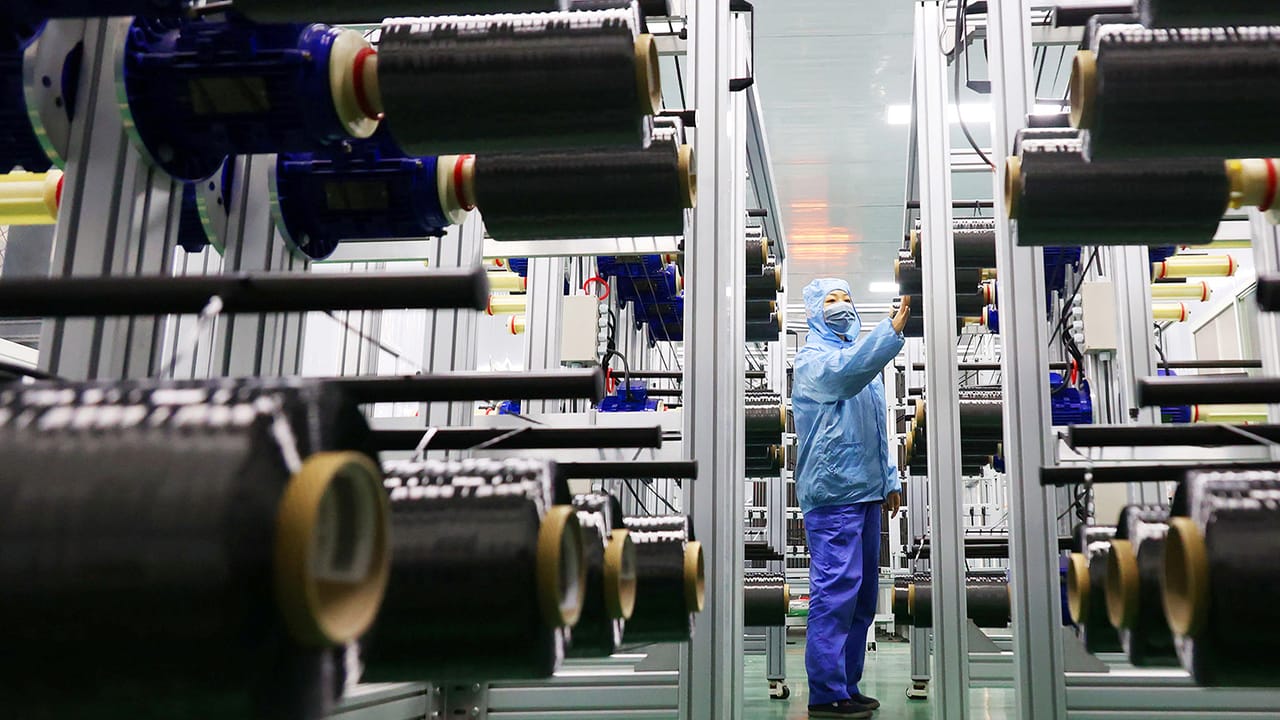
Kolkata’s plastic manufacturing sector is facing mounting pressure as disruptions linked to geopolitical tensions in West Asia begin to affect the supply of critical raw materials.
Industry stakeholders warn that the ripple effects could impact production, pricing, and employment across the value chain.According to industry representatives, the Kolkata plastic industry crisis has intensified due to rising costs and delayed shipments of petrochemical derivatives, which are essential inputs for plastic production. Much of India’s supply of these materials is linked to global energy markets, making the sector vulnerable to international disruptions.The situation has been flagged by associations such as the Indian Plastics Federation, which notes that prolonged instability in West Asia is affecting both availability and pricing of raw materials.Manufacturers in and around Kolkata are particularly exposed due to their dependence on consistent supply chains to maintain production cycles.The Kolkata plastic industry crisis is not limited to large manufacturers. Small and medium enterprises (SMEs), which form a significant portion of the sector, are facing acute challenges in absorbing higher input costs. Many operate on thin margins and have limited capacity to pass on price increases to customers, leading to financial stress.From an economic perspective, disruptions in the plastic industry have broader implications. The sector supplies materials to multiple industries, including packaging, construction, automotive, and consumer goods. Any slowdown in production can therefore affect downstream industries and overall economic activity.There is also a labour dimension.
Reduced production or temporary shutdowns can impact employment, particularly in informal and semi-skilled segments of the workforce.In a city where manufacturing remains a key economic pillar, such disruptions can have cascading effects on livelihoods.Industry experts highlight the need for diversification of supply sources to reduce dependence on volatile regions. Exploring alternative suppliers, increasing domestic production of petrochemicals, and improving logistics resilience are seen as critical steps to mitigate future risks.At the same time, the crisis underscores the importance of transitioning towards more sustainable materials. With global attention on reducing plastic use and promoting circular economies, the current disruption may accelerate innovation in recycling and alternative materials.Urban economists also point to the role of policy support. Temporary relief measures, access to credit, and incentives for adopting sustainable practices could help industries navigate the current challenges while preparing for long-term transformation.There is a real estate and infrastructure angle as well. Industrial zones housing plastic manufacturing units may experience shifts in activity levels, affecting demand for warehousing and logistics spaces.As global uncertainties continue, the resilience of Kolkata’s manufacturing sector will be tested. The Kolkata plastic industry crisis highlights the interconnected nature of local economies and global supply chains, underscoring the need for adaptive strategies in an increasingly volatile economic environment.
Looking ahead, balancing immediate survival with long-term sustainability will be key for the sector. Strengthening supply chain resilience, embracing innovation, and aligning with environmental goals will determine how effectively the industry navigates the evolving landscape.
Also Read:Kolkata Weather Red Alert Warns Of Severe Storms
