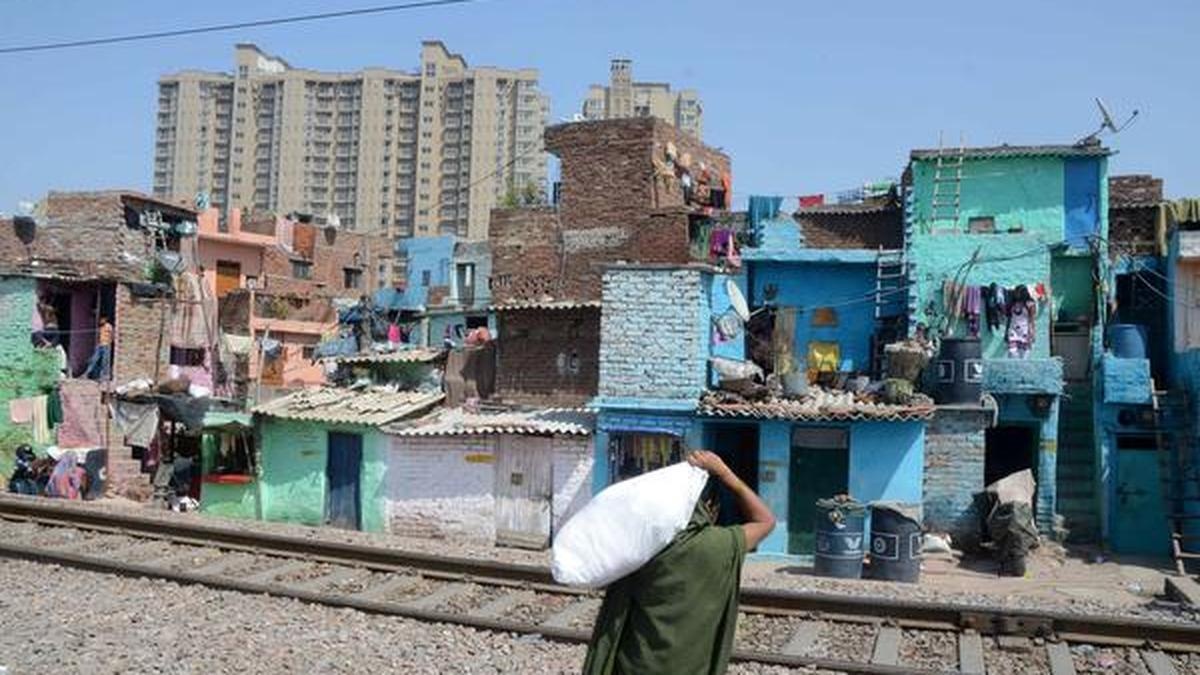
Delhi Revises Slum Redevelopment With In Situ Focus
Delhi’s urban development authorities are preparing a revised framework for informal settlement redevelopment that prioritises in situ slum rehabilitation, signalling a shift toward housing policies that retain communities near their workplaces while improving living standards. The proposed approach seeks to combine residential redevelopment with essential services, reflecting lessons from earlier resettlement programmes that struggled with low occupancy and poor connectivity. Officials involved in the planning process say the emerging policy intends to move beyond the traditional focus on housing units alone. Instead, redevelopment projects are expected to include neighbourhood infrastructure such as local markets, community facilities and mobility-related amenities. The aim is to create self-sustaining residential environments where daily services are available within walking distance.
Urban planners note that Delhi’s informal housing landscape remains extensive, with hundreds of clusters spread across the capital. Addressing this challenge requires large-scale interventions that balance land availability, infrastructure provision and social equity. The emphasis on in situ slum rehabilitation is designed to ensure that redevelopment takes place at or near the existing site whenever feasible, allowing residents to remain close to employment hubs and established social networks. The proposed framework also includes a range of neighbourhood-level amenities within redevelopment layouts. Preliminary planning discussions indicate that projects may integrate retail areas, designated parking zones and infrastructure for electric mobility such as charging points for battery-powered rickshaws. Educational institutions, public service centres and sanitation facilities are also being considered as part of the integrated planning approach. Urban policy analysts say these additions reflect growing recognition that housing alone does not guarantee successful rehabilitation. Past relocation-based projects in peripheral areas experienced low occupancy because residents struggled with long commutes, limited transport links and the absence of economic opportunities nearby. As a result, several government-built housing blocks remained underutilised despite significant public investment.
The new policy framework aims to address these gaps by linking in situ slum rehabilitation with broader urban infrastructure planning. Authorities are also reviewing ways to improve access to existing affordable housing stock. Thousands of economically weaker section apartments constructed under earlier programmes remain vacant due to administrative hurdles and infrastructure deficiencies. In parallel, the government has begun assessing the condition of ageing rehabilitation colonies. Several thousand flats across the capital have been identified for repairs and upgrades, including improvements to roads, drainage networks and sanitation facilities. Residents in some of these settlements have reported recurring problems such as waterlogging and deteriorating civic infrastructure, highlighting the need for maintenance alongside new construction. Urban development experts believe the revised policy could mark a turning point if it integrates housing with livelihood access, public transport and neighbourhood services. Inclusive redevelopment strategies, they argue, are essential for rapidly growing cities where informal housing remains closely tied to local economic ecosystems.
If implemented effectively, the policy may help transform slum rehabilitation from a relocation exercise into a comprehensive urban development strategy. By linking housing with infrastructure and employment access, planners hope to create more resilient neighbourhoods that support both social stability and sustainable urban growth.