


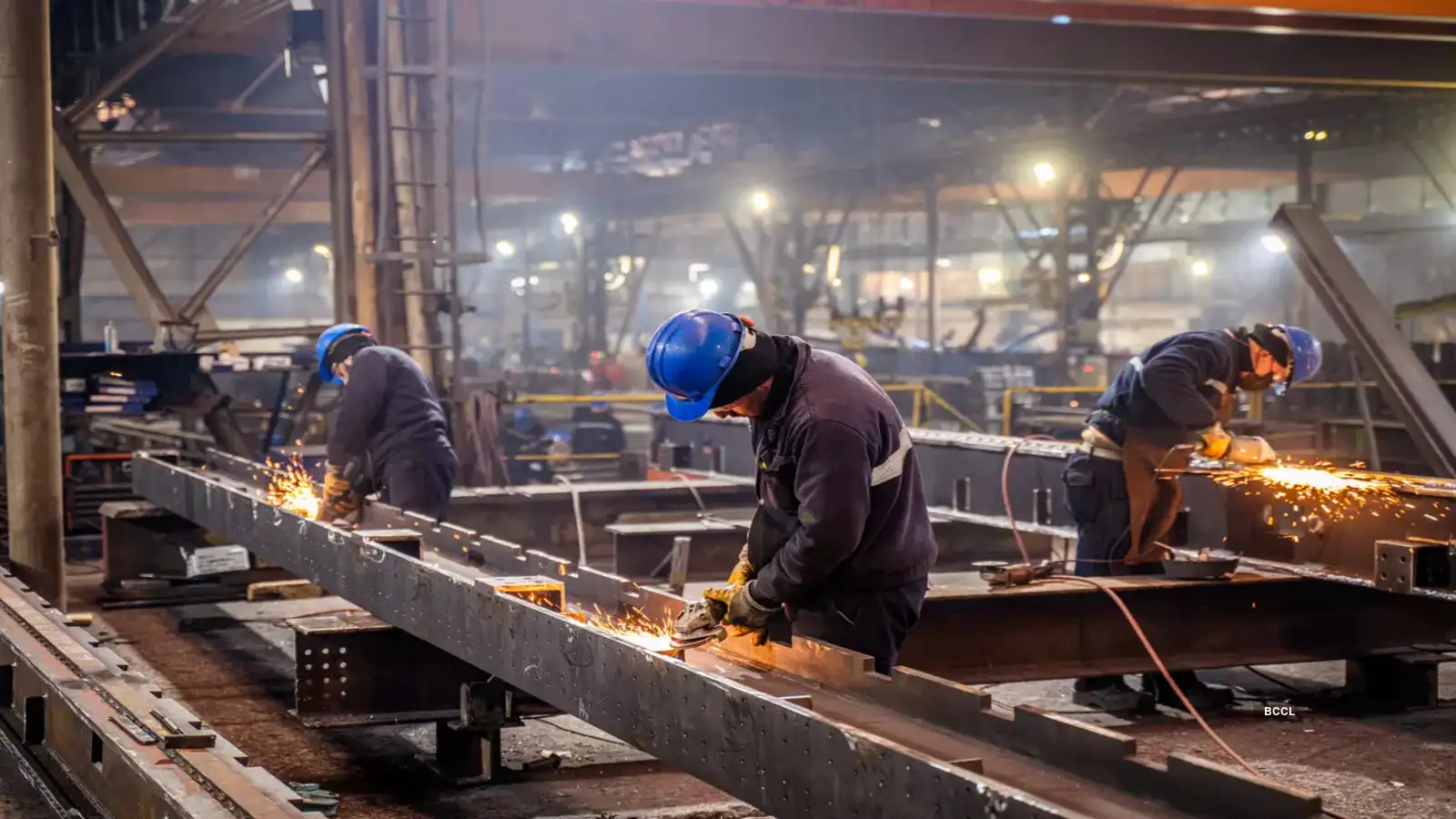
Industrial activity across Surat has begun slowing as geopolitical tensions in the Middle East disrupt supply chains and trade flows linked to the city’s export-oriented manufacturing sectors. The ripple effects are now visible across the Surat industrial slowdown, with hundreds of units suspending operations and thousands more operating below capacity. Industry associations indicate that more than a thousand manufacturing units have temporarily shut down operations while over 28,000 factories are functioning at reduced capacity. The slowdown is largely linked to disruptions in trade routes and rising uncertainty affecting export demand from key markets.
Surat’s industrial ecosystem is closely connected with international trade, particularly through the region’s port-linked logistics networks that connect the city’s manufacturing output to global markets. Several sectors — including textiles, diamonds, chemicals, and engineering goods — depend heavily on export demand from West Asian markets. As tensions escalate in the region, logistics disruptions and rising shipping costs are placing additional pressure on manufacturers. The Surat industrial slowdown is particularly visible among small and medium enterprises that operate with limited financial buffers. Many smaller units depend on steady export orders and stable supply chains to maintain continuous production cycles. Industry observers note that geopolitical uncertainty often affects manufacturing centres indirectly through shipping delays, insurance cost increases, and fluctuations in commodity prices. For export-driven industrial ecosystems like Surat’s, these disruptions can quickly translate into production cuts and operational pauses. Urban economic analysts say the Surat industrial slowdown also reflects the broader vulnerability of globalised supply chains. Manufacturing clusters integrated with international markets benefit from global trade but can also experience immediate shocks when geopolitical conflicts disrupt transportation routes or commercial demand. Several industrial clusters across the city have reported difficulties securing raw materials or fulfilling export contracts within expected timelines. Rising freight costs and unpredictable shipping schedules are further complicating operations for businesses already dealing with tight operating margins. For workers, the slowdown carries significant implications. Surat’s manufacturing ecosystem employs large numbers of migrant workers who depend on steady factory operations for their livelihoods. Reduced production levels can lead to shorter work shifts, temporary layoffs, or wage uncertainty in industrial neighbourhoods. Economic planners emphasise that diversifying export markets and strengthening domestic demand could help reduce the impact of such global disruptions in the future. Industrial resilience increasingly depends on flexible supply chains capable of adapting to shifting geopolitical conditions. The Surat industrial slowdown also highlights the importance of logistics infrastructure and trade policy in supporting manufacturing competitiveness. Ports, transport networks, and efficient customs systems play a crucial role in helping exporters navigate volatile international markets.
Authorities and industry bodies are expected to monitor the situation closely as geopolitical developments unfold. If trade disruptions persist, manufacturers may explore alternative export routes or adjust production strategies to stabilise operations. For now, the situation underscores how global geopolitical events can influence local industrial economies, affecting everything from factory production lines to employment patterns across Surat’s manufacturing hubs.
ALSO READ – Surat Bullet Train Depot To Support High Speed Rail
Surat Industries Slow As Middle East Tensions Rise
