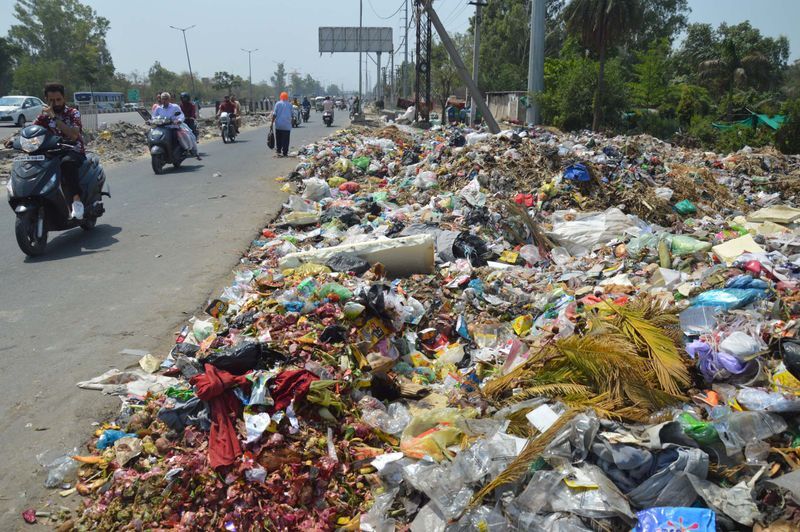
A new civic proposal centred on Nagpur waste management has triggered fresh debate over the scale and effectiveness of urban sanitation planning, as authorities move to install a limited number of underground garbage bins despite hundreds of identified dumping hotspots across the city.
The municipal plan involves deploying 15 underground waste bins at select high-visibility locations, backed by an allocation of around ₹1.5 crore. While the initiative is intended to curb open dumping and improve urban hygiene, it addresses only a small fraction of the city’s 446 documented garbage vulnerable points (GVPs), raising questions about its long-term impact. Officials maintain that the new bins are designed to be more durable and easier to maintain than earlier models, which often suffered from breakdowns, vandalism, or poor upkeep. However, past efforts—including large-scale installation of surface-level bins and “smart” waste infrastructure—have struggled to deliver sustained results, with many sites reverting to informal dumping zones over time. The limitations of the current intervention reflect a broader structural issue within Nagpur waste management systems: infrastructure deployment has not consistently been matched by enforcement, monitoring, or behavioural change. Despite claims that over half of the city’s garbage hotspots have been “closed,” ground realities suggest that waste often reappears in nearby areas, indicating displacement rather than resolution of the problem.
This challenge is particularly acute in dense urban zones such as Lakadganj, Laxmi Nagar, and Dharampeth, where high population density, mixed land use, and commercial activity generate continuous waste flows. In such contexts, isolated infrastructure solutions—like underground bins—may struggle without parallel improvements in collection frequency, segregation practices, and regulatory enforcement.Urban planners argue that effective waste systems require an integrated approach combining decentralised processing, efficient logistics, and citizen participation. Nagpur generates an estimated 1,500 metric tonnes of waste daily, placing sustained pressure on collection and disposal networks. Without systemic reforms, incremental infrastructure additions may offer only temporary relief.The proposed underground bins do offer certain advantages. By storing waste below ground level, they can reduce odour, prevent overflow, and improve the visual environment in public spaces. Yet their deployment is constrained by spatial limitations, particularly in congested neighbourhoods where land availability is limited.The initiative also arrives at a time when urban sanitation is under increased scrutiny. With national cleanliness rankings and judicial oversight placing pressure on local bodies, cities are expected to demonstrate measurable improvements in waste reduction and processing efficiency. However, the gap between reported progress and on-ground conditions remains a recurring concern in Nagpur’s sanitation narrative.
Experts suggest that future interventions must move beyond pilot-scale solutions toward citywide strategies that prioritise waste segregation at source, robust collection systems, and circular economy practices such as recycling and composting.Ultimately, the success of the current plan will depend less on the number of bins installed and more on how effectively they are integrated into a broader, accountable urban system. As Nagpur continues to expand, strengthening Nagpur waste management will be critical not only for cleanliness but for public health, environmental sustainability, and the overall liveability of the city.