Nagpur Revenue Growth Driven By Mining Collections
Strong mineral-linked earnings have pushed Nagpur revenue growth beyond expectations, with the division emerging as Maharashtra’s top performer in public revenue collection for the 2025–26 financial year—highlighting a shifting fiscal pattern with implications for urban development and resource governance.
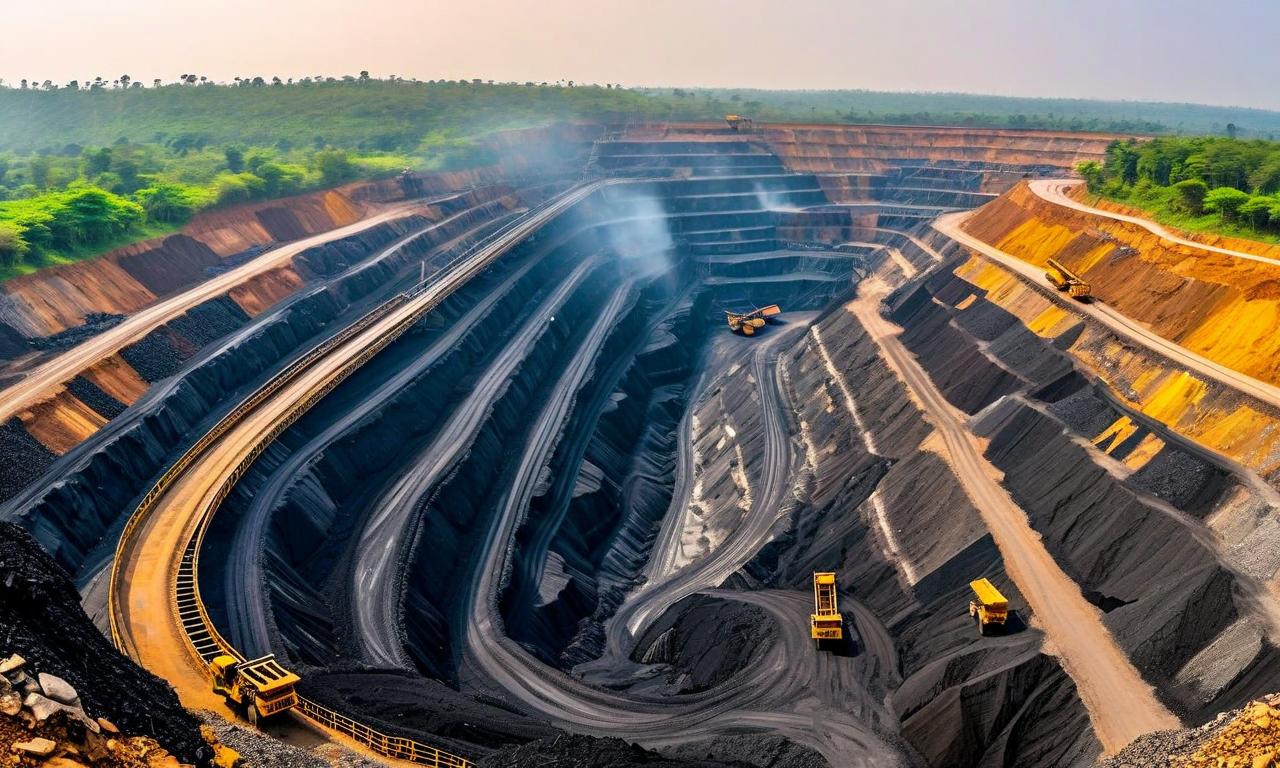
Official data shows the division exceeded its annual target, achieving over 104% of projected collections. Total receipts crossed ₹1,080 crore against a target of roughly ₹1,033 crore, driven largely by robust inflows from minor mineral extraction such as sand and quarry materials. This surge in Nagpur revenue growth comes at a time when cities are under increasing financial pressure to fund infrastructure, climate adaptation, and service delivery. However, the composition of this growth reveals a structural imbalance: while mineral revenues significantly outperformed targets, traditional land-based revenue streams lagged behind, achieving less than three-quarters of projected collections. The divergence underscores a broader transition in how regional economies are generating public income. Districts such as Bhandara recorded exceptionally high mineral revenue performance, while others like Wardha showed relatively stable land revenue outcomes. This uneven distribution suggests that extractive sectors are increasingly compensating for stagnation in conventional revenue bases.
For urban centres like Nagpur, this shift has mixed implications. On one hand, higher collections can support capital-intensive investments in roads, drainage, and urban services—critical as the city expands. On the other, reliance on mineral extraction raises questions about environmental sustainability, land use conflicts, and long-term fiscal resilience.Urban economists point out that mineral-driven revenue is inherently volatile, tied to policy cycles, regulatory approvals, and market demand. In contrast, land revenue—though currently underperforming—tends to offer more stable and predictable income streams for urban local bodies. The imbalance could therefore complicate long-term planning, especially for infrastructure projects requiring sustained funding.The trend also intersects with Nagpur’s broader development trajectory. As the city positions itself as a logistics and industrial hub, demand for construction materials has surged, indirectly boosting mineral revenues. Yet, this growth places additional strain on ecological systems and requires tighter regulatory oversight to ensure responsible extraction practices.At the same time, challenges in land revenue collection—often linked to administrative inefficiencies, valuation gaps, and limited expansion of taxable properties—highlight the need for reforms in urban fiscal systems. Strengthening property databases, digitising land records, and improving compliance mechanisms are seen as key steps toward more balanced revenue frameworks.
The current performance may offer short-term fiscal comfort, but experts caution against over-reliance on extractive income. Sustainable urban growth will depend on diversifying revenue sources while aligning them with climate-sensitive planning and equitable development goals.As Nagpur revenue growth continues to outpace expectations, the focus is likely to shift toward how effectively these gains are channelled into resilient infrastructure and whether the city can transition toward a more stable and environmentally balanced revenue model.