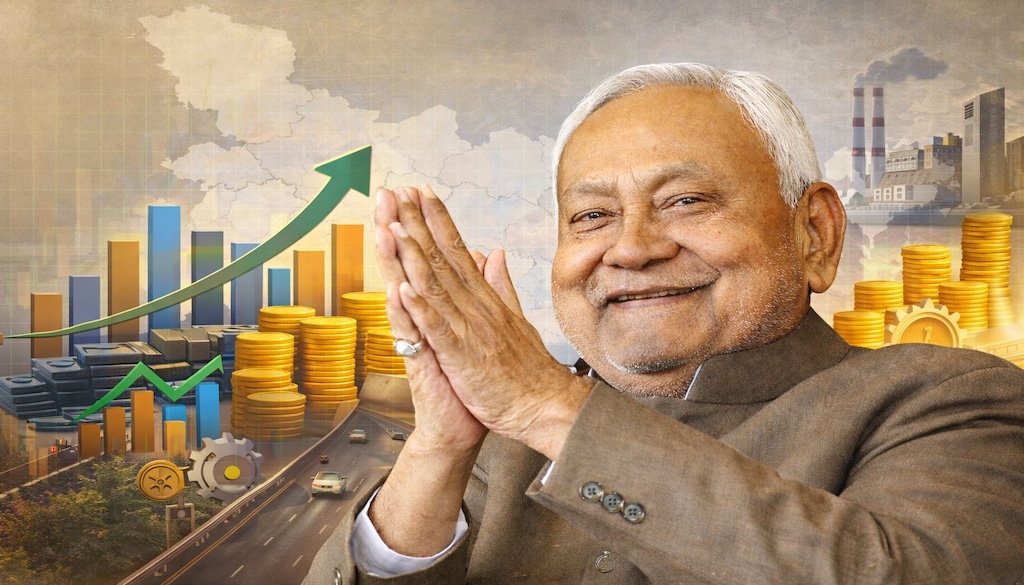
Patna’s municipal finances have recorded a significant inflection point, with property tax collections reaching an all-time high of ₹125 crore in FY 2025–26—underscoring a shift towards stronger local revenue systems in one of eastern India’s fastest-growing cities. The milestone highlights how improved compliance mechanisms and targeted fiscal interventions are reshaping the city’s capacity to fund infrastructure and civic services.
The record figure exceeds the municipal target by approximately ₹9 crore and marks a notable rise from the previous year’s collections, signalling sustained momentum in revenue mobilisation. At the core of this growth lies a combination of enforcement measures and policy innovation. A one-time settlement initiative—offering a waiver on interest and penalties—encouraged long-pending dues to be cleared, particularly from institutional and government-linked properties. This mechanism effectively unlocked dormant revenue streams that had remained uncollected for years, converting them into immediate fiscal gains. Administrative efforts also played a critical role. The civic body expanded its tax base through property surveys, identifying previously unregistered holdings and integrating them into the system. Digital monitoring tools and extended collection hours further improved compliance, while targeted outreach—such as bulk messaging and door-to-door campaigns—brought more taxpayers into the fold. The implications of Patna property tax growth extend beyond balance sheets. Property tax is widely regarded as the most stable and predictable revenue source for urban local bodies.
A stronger collection base enables municipalities to reduce reliance on state transfers and plan investments with greater certainty—particularly in essential services such as drainage, waste management, road maintenance and water supply. Urban finance experts note that such gains are critical for cities like Patna, where rapid population growth is placing increasing pressure on infrastructure. Improved fiscal capacity allows local authorities to move from reactive spending to more structured, long-term planning—an essential transition for building climate-resilient and inclusive urban systems. The development also has implications for the real estate ecosystem. Higher and more transparent tax compliance often correlates with improved service delivery, which in turn enhances property values and investor confidence. As civic revenues strengthen, cities can reinvest in public infrastructure, creating a virtuous cycle of growth and formalisation in the built environment. However, sustaining this trajectory will require institutional continuity. Experts caution that one-time schemes, while effective in the short term, must be complemented by regular database updates, transparent valuation systems, and citizen-friendly digital platforms. Without these, compliance gains may plateau over time.
Patna’s performance reflects a broader trend across Indian cities, where municipalities are increasingly leveraging data, incentives, and enforcement to strengthen own-source revenues. For Bihar’s capital, the current momentum positions it to better align infrastructure expansion with economic growth and environmental resilience. Going forward, the focus will shift to how effectively these additional resources are deployed. If channelled into equitable service delivery and sustainable infrastructure, Patna property tax growth could serve as a blueprint for strengthening municipal finance across emerging urban centres.