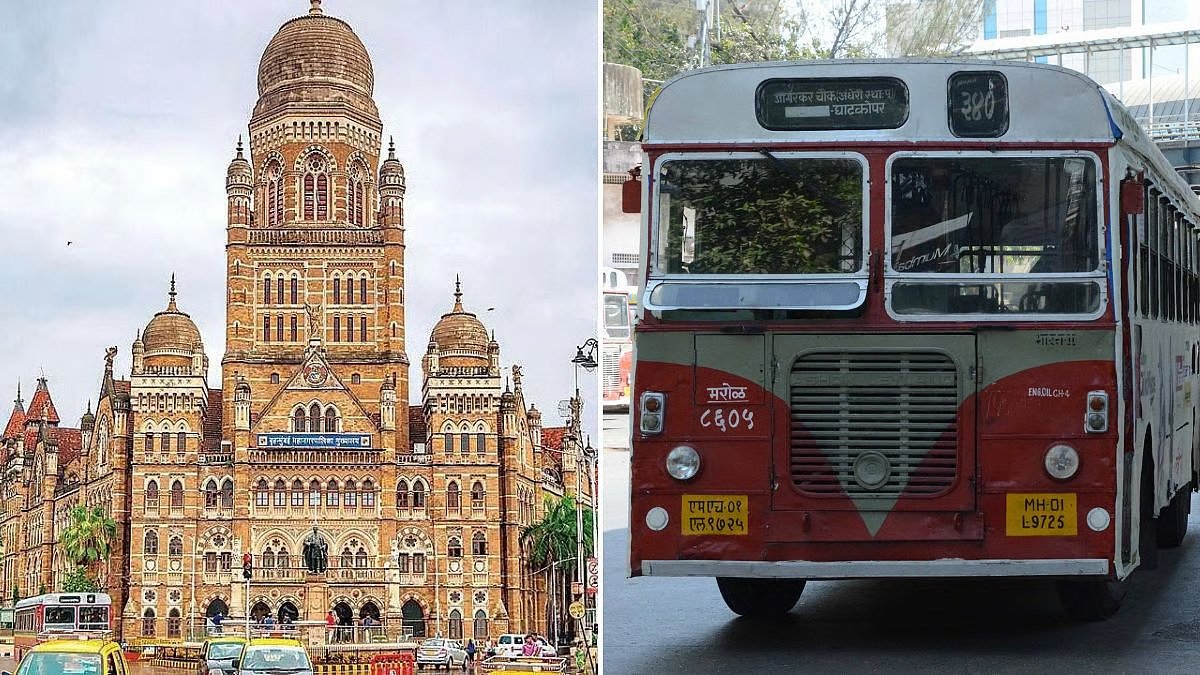
Mumbai’s public bus operator has sought a substantial financial infusion from the civic administration, signalling mounting fiscal stress as it attempts to balance employee liabilities with the urgent need to modernise its fleet. The proposal, estimated at ₹4,000 crore, is expected to be considered in the upcoming municipal budget and is seen as critical to sustaining the city’s bus-based mobility system.
A large share of the requested funding is intended to address long-pending retirement benefits, a liability that has steadily grown in recent years. Transport economists note that delays in gratuity payments can have serious implications for workforce morale and institutional stability, particularly in legacy public utilities where pension obligations are significant. At the same time, the undertaking is seeking to accelerate BEST fleet expansion to meet rising commuter demand and align with the city’s broader push for cleaner public transport. Officials indicate that the plan involves adding between 2,000 and 2,500 buses within the current financial cycle, a move that could significantly increase service frequency and coverage across Mumbai’s dense urban landscape.
The BEST fleet expansion strategy is closely tied to national-level initiatives promoting electric mobility. The operator has approached central authorities for support in procuring a large share of electric buses under existing schemes. Urban mobility experts highlight that electrification of bus fleets is essential for reducing emissions in high-density cities, where road transport remains a major contributor to air pollution. However, the transition is not without challenges. Industry observers point out that scaling up electric bus deployment requires parallel investments in charging infrastructure, depot upgrades, and grid capacity. Without these, the benefits of fleet expansion may not fully materialise.
Current fleet strength remains well below planned levels, with deliveries from multiple manufacturers progressing gradually. While several hundred new buses have already been inducted, a significant portion of pending orders is yet to be fulfilled. Analysts suggest that supply chain constraints and manufacturing timelines continue to affect large public procurement programmes. From a broader urban perspective, strengthening bus services remains critical for ensuring equitable mobility. Unlike metro systems, buses offer flexible routing and deeper last-mile connectivity, making them indispensable for low- and middle-income commuters. Expanding the fleet could therefore play a key role in improving accessibility across underserved areas.
Financial sustainability, however, remains a central concern. Public transport undertakings often rely on subsidies to bridge the gap between operational costs and fare revenues. Experts argue that long-term viability will depend on a combination of funding support, operational efficiency, and integration with other modes of transport. As Mumbai evaluates the funding request, the outcome will have implications not just for the transport utility, but for the city’s broader mobility ecosystem. The success of BEST fleet expansion will ultimately depend on how effectively financial support translates into reliable, affordable, and environmentally sustainable public transport services
BEST Seeks Rs 4000 Crore Support For Dues And Fleet Growth