



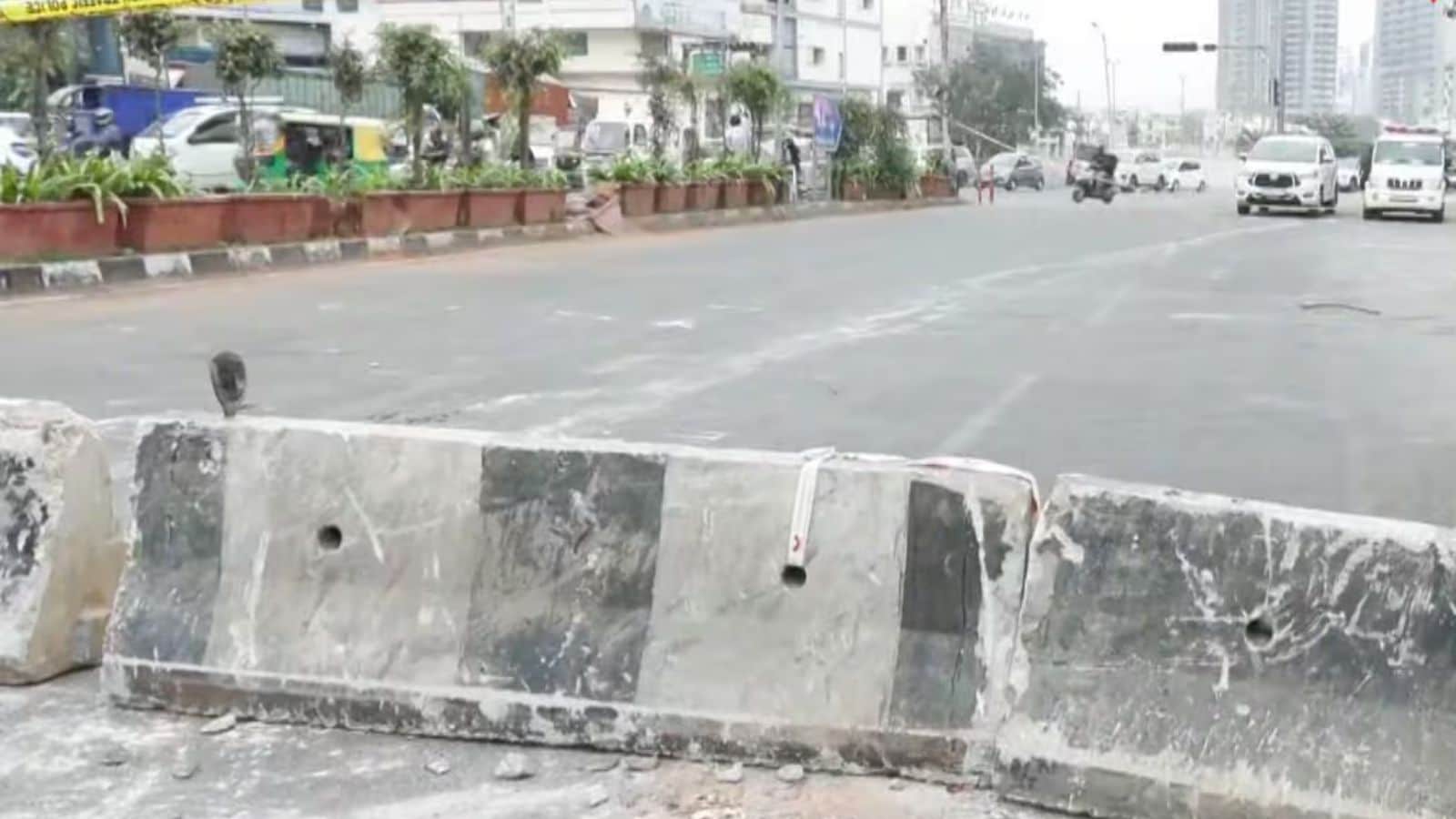
A key road upgrade project in Bengaluru’s Malleswaram locality remains incomplete nearly two years after work began, raising concerns over execution delays and their impact on urban mobility.
The stalled project highlights persistent challenges in delivering civic infrastructure on schedule in rapidly growing city zones.The stretch in Malleswaram, earmarked for white-topping—a process that replaces asphalt with durable concrete—continues to see unfinished sections, affecting daily commuters and local businesses. The prolonged Bengaluru road project delay has led to uneven surfaces, restricted movement, and disruptions to traffic flow in the area.White-topping is typically undertaken to improve road longevity and reduce maintenance costs over time.However, experts note that the benefits are contingent on timely completion and proper execution.Delays not only extend the inconvenience for residents but can also increase overall project costs due to extended timelines and repeated adjustments.The Bengaluru road project delay reflects broader systemic issues in urban infrastructure delivery, including coordination gaps between contractors, civic agencies, and utility providers. In many cases, ongoing utility works—such as water pipelines or electrical installations—intersect with road projects, complicating timelines and execution.From a mobility perspective, incomplete roadworks in densely populated areas like Malleswaram can have cascading effects.Traffic diversions and bottlenecks in one locality often spill over into adjoining neighbourhoods, increasing travel times and fuel consumption.
Local businesses are also impacted. Reduced accessibility and prolonged construction activity can affect customer footfall, leading to economic losses for small enterprises operating along the stretch. For residents, daily commutes become more time-consuming and unpredictable.Urban planners emphasise the need for better project management frameworks. Clear timelines, accountability mechanisms, and real-time monitoring can help ensure that infrastructure projects are completed within stipulated periods. Integrating utility planning with road construction schedules can also minimise delays.There is a sustainability angle as well.While concrete roads are designed to be more durable, extended construction periods can increase dust pollution and emissions from idling vehicles navigating incomplete stretches. Efficient execution is therefore critical to achieving both economic and environmental benefits.Experts suggest that adopting digital project tracking tools and enhancing coordination between departments could improve outcomes. Public communication is also important, ensuring that residents are informed about timelines and expected disruptions.Officials are expected to review the status of the project and expedite pending work, though a clear completion timeline remains uncertain.The situation underscores the importance of aligning planning, execution, and monitoring in urban infrastructure projects.
As Bengaluru continues to expand, timely delivery of road upgrades will be essential to maintaining efficient mobility and supporting economic activity. The delays in Malleswaram serve as a reminder that infrastructure quality is not just about design, but also about consistent and accountable implementation.
Also Read:Bengaluru Mobility Infrastructure Plan Targets Flyovers And Skywalks
