Navi Mumbai’s planning authority has outlined an ambitious financial roadmap for 2026–27, with a CIDCO budget 2026 of ₹16,250 crore aimed at accelerating infrastructure delivery, expanding affordable housing, and strengthening regional connectivity. The scale of spending signals a decisive push to position the satellite city as a major economic node within the Mumbai Metropolitan Region.
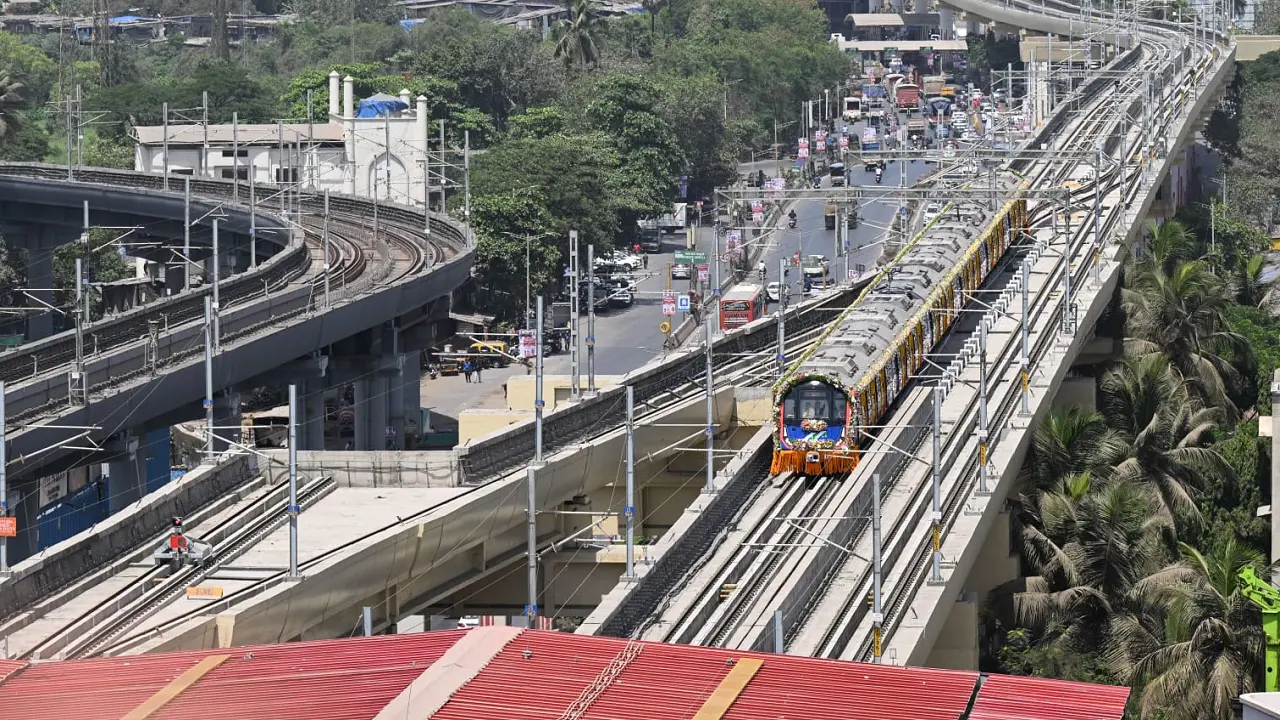
The projected financials indicate a stable fiscal position, with anticipated revenues closely aligned with expenditure and a modest surplus expected at the end of the financial year. This reflects a calibrated approach to capital deployment, particularly as large-scale infrastructure projects transition from planning to execution stages. A significant portion of the CIDCO budget 2026 is directed towards transport and connectivity networks, which are critical to unlocking the economic potential of emerging urban districts. Ongoing metro corridors linking key nodes, including the upcoming Navi Mumbai International Airport and existing transit hubs, are expected to reshape commuting patterns and reduce dependence on road-based transport. Urban mobility experts note that integrating metro systems with airport infrastructure can significantly improve accessibility while lowering long-term carbon emissions.
Parallel investments are being channelled into regional connectivity through elevated corridors and multi-modal infrastructure, including projects structured under public-private partnership models. These initiatives are designed to ease congestion across the Mumbai-Thane-Navi Mumbai belt, which continues to experience rapid population and economic growth. Beyond transport, the development authority is advancing a cluster-based urbanisation strategy around the airport influence zone. Planned districts include mixed-use business hubs, knowledge centres, healthcare ecosystems, and logistics parks. Urban planners suggest that such integrated planning could help decentralise economic activity from Mumbai’s traditional core, supporting more balanced regional development and reducing pressure on existing infrastructure.
Housing remains a key pillar of the budget, with a renewed focus on expanding access to affordable homes. After a substantial rollout in the previous year, the authority is preparing to increase supply further in 2026–27. Real estate analysts indicate that sustained delivery of affordable housing is essential to maintaining inclusivity in fast-growing urban areas, particularly as land values rise around major infrastructure projects. Water supply and essential services infrastructure also feature prominently, reflecting the need to support population growth with reliable utilities. Experts highlight that long-term urban resilience will depend not only on transport and housing, but also on sustainable water management and climate-responsive planning.
While the CIDCO budget 2026 underscores strong intent, execution will be key. Industry observers point to the importance of timely project delivery, environmental safeguards, and coordination across agencies. As Navi Mumbai evolves into a major urban and economic hub, the coming years will test whether infrastructure expansion can align with sustainability goals and inclusive growth outcomes.
CIDCO Presents Rs 16250 Crore Budget For FY27