


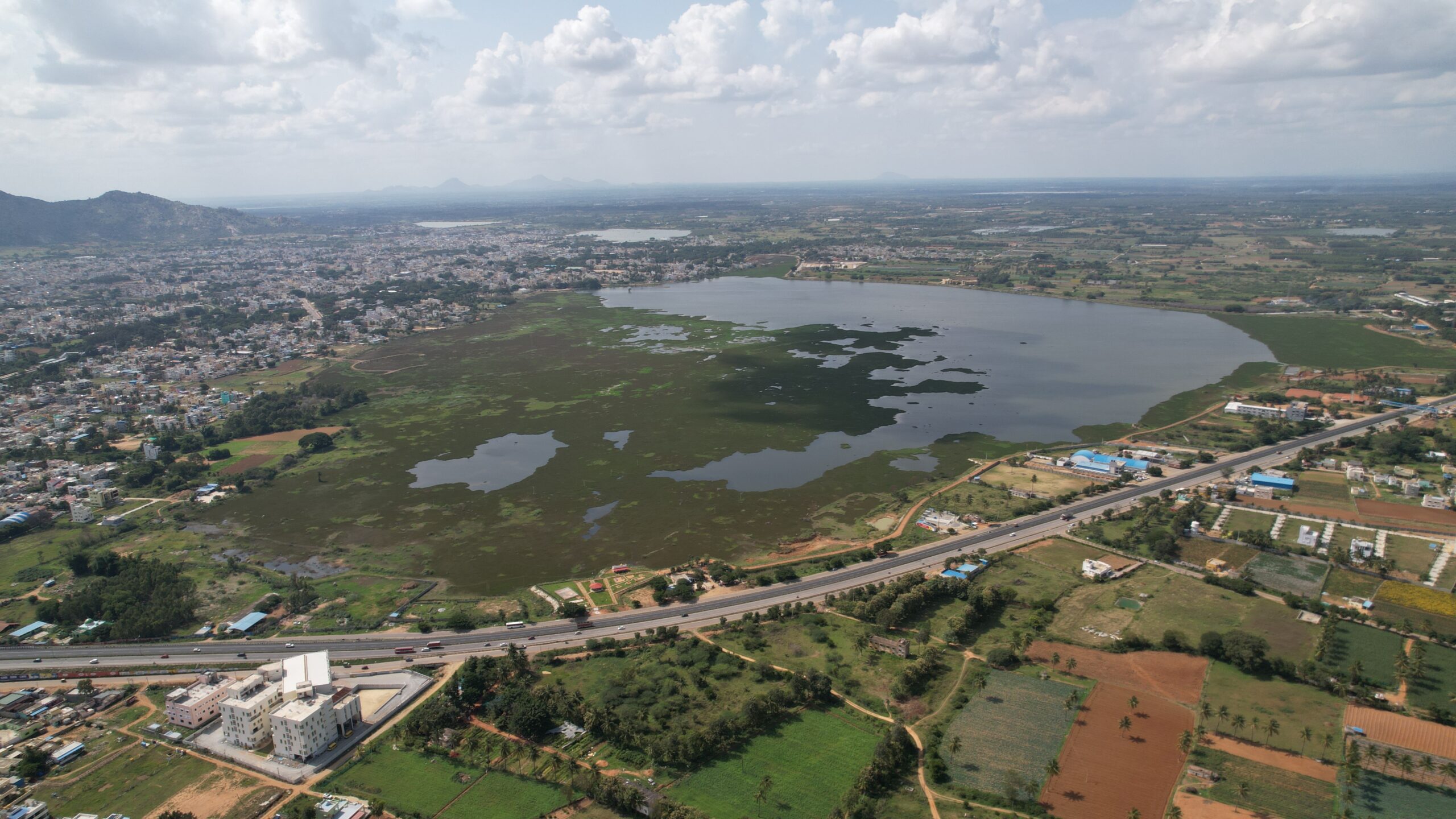
A recent assessment of lake systems in Bengaluru’s northern corridor has revealed a growing environmental challenge, with untreated sewage emerging as the dominant inflow into key water bodies across the Hebbal–Nagavara valley.
The findings highlight critical gaps in urban wastewater management and their impact on ecological health.The study, focusing on interconnected lakes in the valley, points to a sustained rise in pollution levels, placing the spotlight on the Bengaluru lake sewage crisis. These water bodies, once integral to the city’s traditional water management system, are now increasingly functioning as receptacles for untreated or partially treated wastewater.Environmental experts note that rapid urbanisation has significantly altered natural drainage patterns. As built-up areas expand, stormwater channels that once carried rainwater into lakes are now often diverted or encroached upon, allowing sewage to enter the system instead. This shift has transformed lakes into stagnant, polluted zones with declining biodiversity.The Bengaluru lake sewage crisis also has direct implications for public health and urban resilience. Polluted lakes can contaminate groundwater, emit harmful gases, and create breeding grounds for disease vectors. In densely populated areas, these risks are amplified, affecting nearby communities.
From a climate perspective, degraded lakes reduce the city’s capacity to manage extreme weather events. Healthy water bodies act as natural buffers, absorbing excess rainfall and mitigating flooding. When filled with sewage and silt, their storage capacity diminishes, increasing the likelihood of urban flooding during heavy rains.
There are also economic consequences. Waterfront areas, which have the potential to support recreation and enhance property values, lose their attractiveness when water quality deteriorates. The cost of restoring heavily polluted lakes is significantly higher than maintaining them through preventive measures.Urban planners emphasise the need for integrated water management strategies.This includes strengthening sewage treatment infrastructure, preventing illegal discharge, and restoring stormwater networks to ensure that only rainwater enters lakes. Decentralised wastewater treatment systems can also play a role in reducing the load on centralised facilities.Governance challenges remain a key barrier.Multiple agencies are often responsible for different aspects of water management, leading to coordination gaps. Effective restoration requires a unified approach, combining regulatory enforcement, community participation, and sustained funding.Experts also highlight the importance of continuous monitoring. Data-driven approaches can help track pollution levels, identify sources of contamination, and guide targeted interventions. Public access to such data can improve accountability and encourage civic engagement.
As Bengaluru continues to grow, the condition of its lakes will be a critical indicator of environmental sustainability. The findings from the Hebbal–Nagavara valley serve as a stark reminder that urban development without adequate wastewater management can have lasting ecological consequences.
Addressing the issue will require not only infrastructure upgrades but also a shift towards more sustainable urban practices. Protecting and restoring lakes is essential to ensuring long-term water security, climate resilience, and quality of life in the city.
Also Read:Bengaluru Land Acquisition Push Gains Pace In East Zone
