


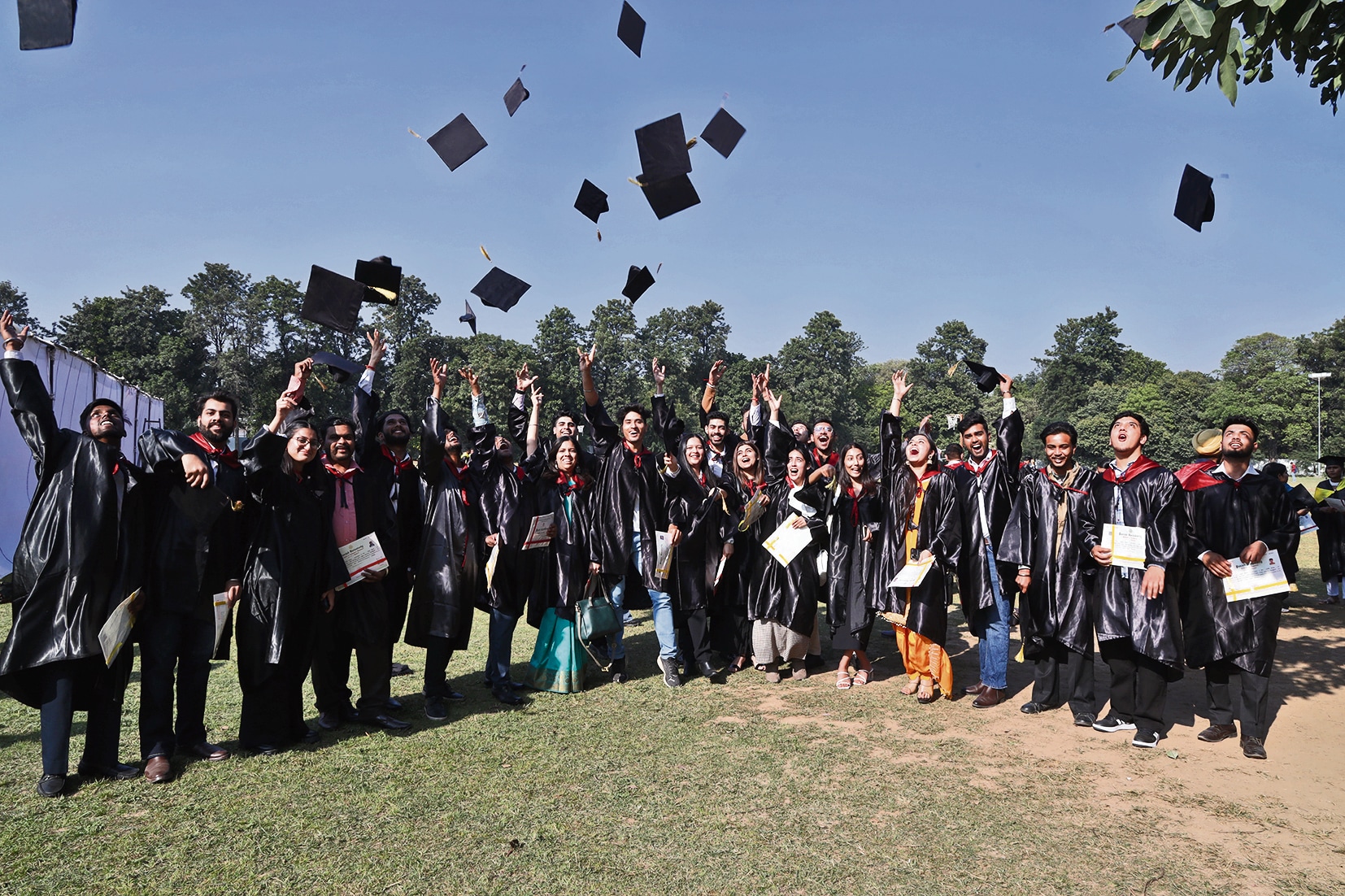
More than 1,700 students graduated from the Chennai regional centre of Indira Gandhi National Open University during its latest convocation ceremony, reflecting the growing role of distance education in expanding access to higher learning across urban and semi-urban populations.
The event highlights the continued relevance of open universities in addressing gaps within traditional education systems. The scale of participation underscores the rising demand for flexible learning pathways, particularly among working professionals, women, and students balancing multiple commitments.This trend is central to the evolving narrative of the Chennai IGNOU convocation, where inclusivity and accessibility remain key drivers.Education experts note that distance learning models have gained traction as cities like Chennai experience demographic and economic shifts.With increasing urbanisation and a diverse workforce, conventional full-time education is not always feasible. Open and remote learning systems provide an alternative that aligns with changing lifestyle and employment patterns.The Chennai IGNOU convocation also reflects broader policy priorities aimed at improving gross enrolment ratios in higher education. By lowering barriers related to geography, cost, and time, distance education institutions play a critical role in widening participation and supporting lifelong learning.From an economic perspective, such programmes contribute to workforce development by enabling skill enhancement and academic advancement. Graduates from open universities often bring practical experience alongside academic qualifications, making them valuable in sectors that require both theoretical knowledge and applied skills.
There is also a gender dimension to consider.Flexible education models have been instrumental in increasing participation among women, particularly those who may face constraints in accessing traditional campus-based education. This has implications for both social equity and economic inclusion.Urban planners highlight the link between education and city development. A more educated workforce supports innovation, productivity, and economic resilience. In this context, institutions offering scalable and inclusive education models become integral to urban growth strategies.However, challenges remain. Ensuring quality, maintaining academic standards, and improving digital infrastructure are critical to sustaining the credibility of distance education. As enrolments grow, institutions must invest in technology, faculty training, and student support systems to deliver effective learning outcomes.The convocation also points to the increasing integration of digital tools in education delivery. Online platforms, virtual classrooms, and hybrid learning models are reshaping how education is accessed and consumed, making it more adaptable to individual needs.Officials indicate that efforts are underway to further strengthen programme offerings and expand reach. As Chennai continues to evolve as an educational hub, the role of open universities is expected to become even more significant.
The milestone achieved at the latest convocation underscores a broader shift in higher education—one that prioritises flexibility, inclusivity, and scalability. For cities navigating rapid change, such models offer a pathway to building more equitable and future-ready education systems.
Also Read:Chennai EMU Cancellations Affect Beach Tambaram Train Services
