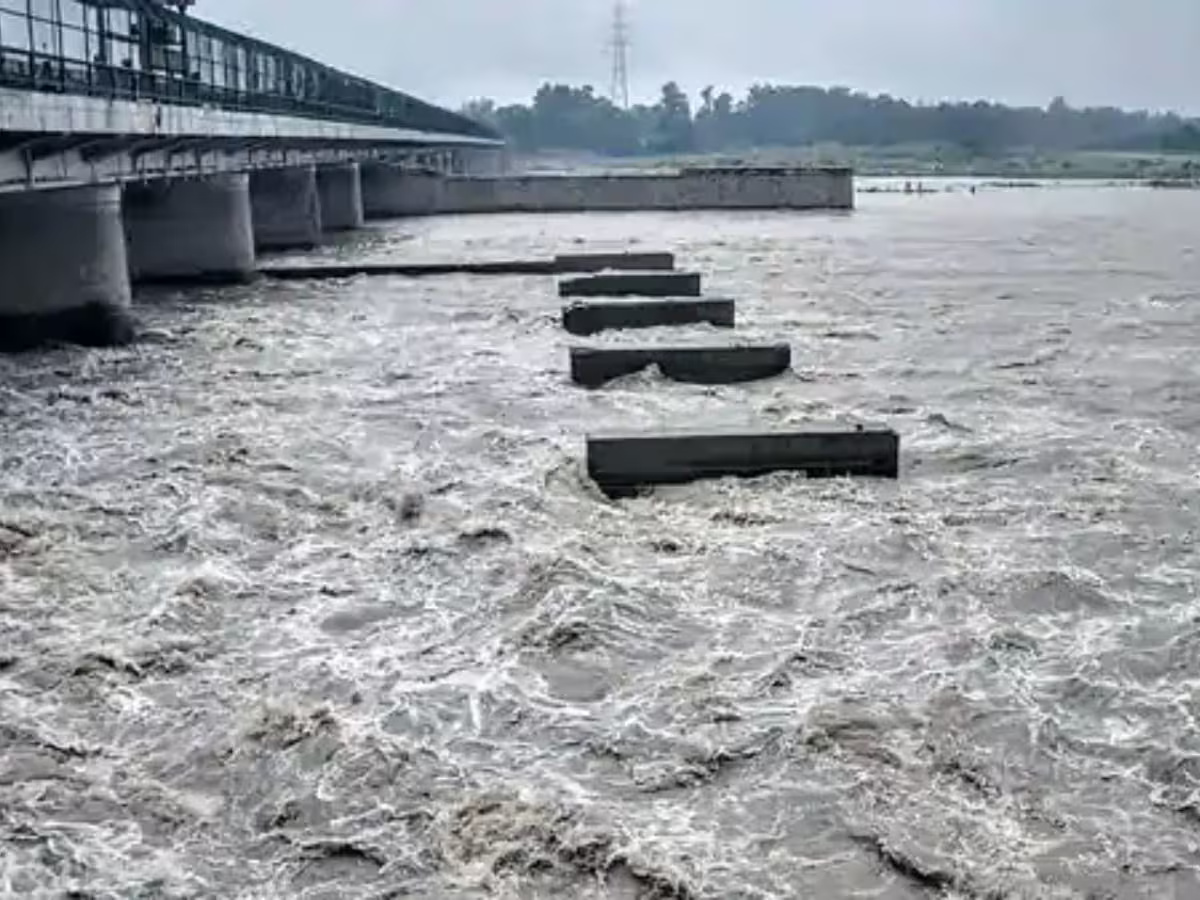
Urban wastewater flowing from Gurugram and surrounding districts is significantly degrading the Yamuna River before it reaches Delhi, according to recent monitoring data compiled by the state pollution control authority. The findings suggest that a large share of the river’s contamination originates upstream from rapidly urbanising and industrialising zones in Haryana, highlighting the regional nature of the Yamuna pollution crisis. Environmental monitoring indicates that Gurugram contributes the majority of the pollutant load entering the Yamuna from Haryana. Wastewater from the city is carried through multiple drainage channels, including branches of the Najafgarh drain as well as the Basai and Badshahpur drains. These outlets transport a mix of untreated sewage and industrial discharge that eventually merges with the river system.
Officials tracking water quality metrics say one of the most concerning indicators is the sharp rise in biochemical oxygen demand, or BOD. This measure reflects the amount of organic matter in water and the oxygen required by microorganisms to break it down. Healthy river systems typically maintain BOD levels near three milligrams per litre. However, monitoring stations in Gurugram’s drainage network have recorded levels climbing dramatically over recent years, indicating severe organic pollution. The data shows that BOD concentrations in some drains connected to the Yamuna have increased severalfold since 2021, reaching levels that environmental specialists consider extremely hazardous for aquatic ecosystems. As the concentration of organic pollutants increases, dissolved oxygen levels fall, depriving aquatic organisms of the oxygen required to survive. Other districts in Haryana are also adding to the river’s deteriorating condition. Industrial activity in Faridabad has contributed persistent pollution loads, while sewage discharge and agricultural runoff in Sonepat have intensified contamination in local drainage channels feeding the Yamuna basin. Monitoring data also indicates high levels of faecal bacteria in certain stretches, signalling the widespread presence of untreated domestic wastewater.
Smaller districts contribute comparatively smaller volumes but often contain higher concentrations of chemical contaminants associated with industrial effluents. Experts monitoring the situation warn that cumulative inputs from multiple urban and semi-urban centres are transforming sections of the Yamuna into what they describe as an oxygen-starved water body with limited ecological resilience. Dissolved oxygen readings from stretches near Gurugram illustrate the severity of the problem. In some monitoring locations, oxygen levels have dropped well below the threshold required to sustain fish and other aquatic life. Environmental planners note that once oxygen levels fall below critical levels, rivers struggle to naturally recover without significant intervention. Urban policy specialists say the findings underline a broader challenge for India’s river restoration efforts. While pollution in Delhi has long attracted public attention, the data indicates that the Yamuna’s degradation is deeply linked to wastewater infrastructure gaps across the wider National Capital Region.
Strengthening sewage treatment capacity, upgrading drainage systems and enforcing industrial discharge norms across Haryana’s expanding urban centres are widely seen as critical steps. Without coordinated action between neighbouring states and urban authorities, experts warn that efforts to revive the Yamuna within Delhi alone will have limited impact.