


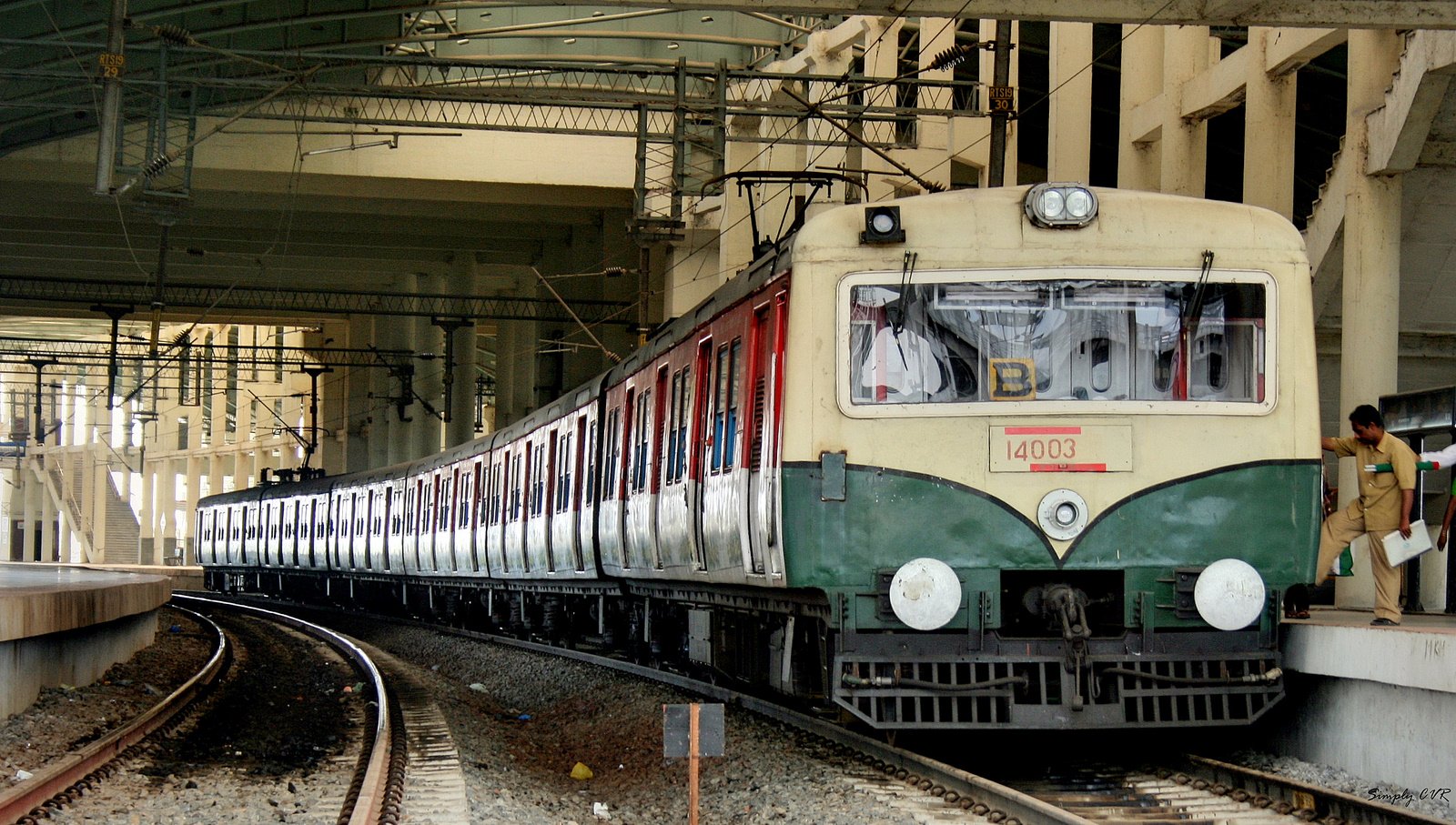
Temporary cancellations of suburban train services on Chennai’s busy Beach–Tambaram corridor are set to disrupt daily commuting patterns, placing additional pressure on already strained urban mobility systems.
The move, scheduled over multiple days in April, is linked to ongoing infrastructure and maintenance work on the network.The affected services, operating under the Southern Railway suburban system, form a critical transport link connecting central Chennai with its southern suburbs. The Chennai EMU cancellations are expected to impact thousands of passengers who rely on these trains for affordable and time-efficient daily travel.Officials indicate that the cancellations are necessary to facilitate track upgrades and ensure long-term safety and operational efficiency. However, the immediate impact is likely to be felt during peak hours, when passenger volumes are highest and alternative transport options are limited.Transport experts note that the Chennai EMU cancellations highlight the delicate balance between infrastructure maintenance and service continuity in high-density urban transit systems. Suburban rail networks in cities like Chennai operate at near-capacity levels, leaving little room for disruption without affecting commuter experience.The Beach–Tambaram route is among the most heavily used suburban corridors, serving residential zones, educational institutions, and employment centres.
With reduced train frequency, commuters may shift to buses, private vehicles, or shared mobility options, potentially increasing congestion on parallel road networks.From an economic standpoint, disruptions in daily commuting can affect productivity, particularly for workers who depend on predictable travel times. Informal sector workers and students are likely to face the greatest challenges, given their limited access to alternative transport modes.Urban planners emphasise the importance of clear communication and contingency planning during such disruptions. Advance notice, real-time updates, and coordination with bus services can help mitigate the impact on commuters. Deploying additional buses or adjusting schedules temporarily could ease the transition.There is also a sustainability dimension. Suburban rail systems are a cornerstone of low-emission urban mobility.Temporary reductions in service may lead to increased reliance on road-based transport, resulting in higher fuel consumption and emissions in the short term.However, infrastructure upgrades are essential for long-term system resilience. Improved tracks and signalling can enhance capacity, reduce delays, and support future expansion. The challenge lies in managing short-term inconvenience while delivering long-term benefits.Experts suggest that phased scheduling, night-time work, and technological upgrades could help minimise service disruptions in future projects. Investing in redundancy within transit networks—such as parallel routes or multimodal integration—can also improve system flexibility.
As Chennai continues to expand, ensuring reliable and efficient suburban rail services will remain central to its mobility strategy. The current cancellations underscore the need for resilient planning that balances maintenance requirements with the everyday needs of commuters in a growing metropolitan region.
Also Read:Chennai Trucking Cost Pressures Rise Amid West Asia Conflict
