Delhi Seeks Additional Water Supply From HaryanaDelhi Seeks Additional Water Supply From Haryana
Delhi’s urban water managers are exploring options to secure additional raw water supplies from neighbouring Haryana ahead of the peak summer season, as rising temperatures and population growth continue to widen the capital’s water demand gap. The proposal aims to ensure stable additional water supply during May and June, when shortages are most acute across several residential districts. Officials familiar with the discussions say the city’s water utility has initiated talks with irrigation authorities in Haryana to obtain extra volumes of untreated water beyond the existing allocation under the inter-state river sharing framework. The move is intended to supplement Delhi’s existing supply network and support the operation of newly built treatment infrastructure.
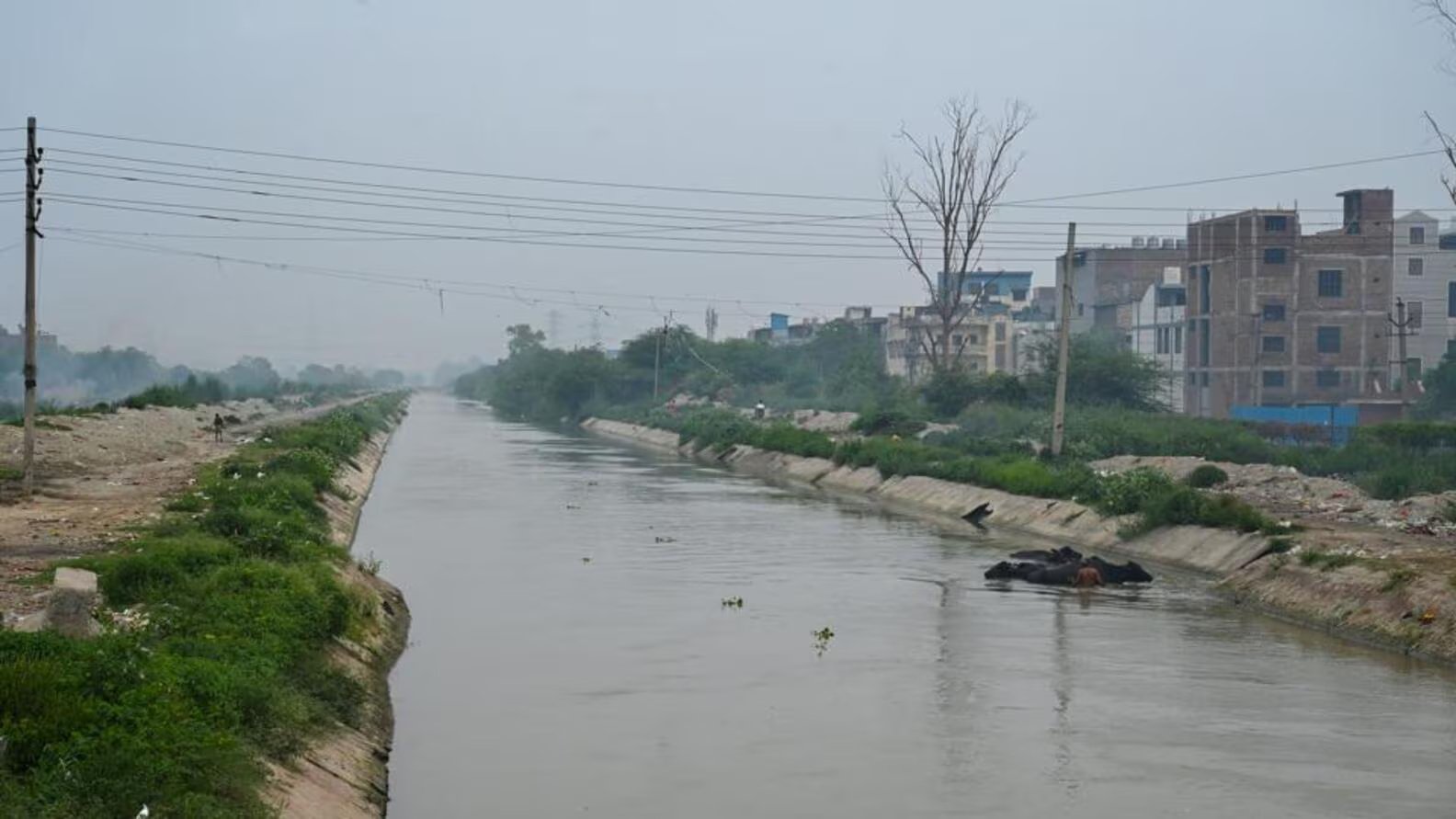
Delhi relies heavily on neighbouring states for its water resources, drawing supply from river systems and canal networks shared across northern India. Current inflows arrive primarily through canal systems linked to the Yamuna and Ganga river basins, alongside limited groundwater extraction within the city itself. However, the rapidly expanding metropolitan population and climate variability have made maintaining a consistent additional water supply increasingly challenging. Urban policy documents estimate that Delhi’s daily water demand now significantly exceeds its average supply capacity, particularly during the summer months when consumption peaks. Officials indicate that securing an extra flow of raw water could help bridge part of this gap and allow recently constructed water treatment facilities to begin operations. Two such treatment plants located in expanding residential zones are nearing completion but remain underutilised due to insufficient raw water availability. By increasing inflows, authorities hope to activate these facilities and expand the city’s potable water distribution capacity. Officials have also proposed revisiting the use of a portion of the water currently designated for irrigation purposes within the existing allocation framework.
Redirecting part of this quota toward drinking water treatment could help address urban shortages while maintaining agricultural needs through alternative arrangements. Experts in urban water management note that inter-state coordination is increasingly critical for metropolitan regions that depend on shared river systems. Negotiated agreements between states determine how water resources are distributed among domestic, agricultural and industrial uses. Periodic reviews of these arrangements often become necessary as population patterns and climate conditions evolve. In addition to negotiating additional supply, the city’s water utility is examining infrastructure upgrades designed to reduce transmission losses in canal systems that bring water into the capital. One proposal involves reinforcing canal beds with concrete lining to minimise seepage and improve efficiency in long-distance water transport. Urban planners say such measures are essential for water-stressed cities seeking to improve resilience against seasonal shortages. Efficient infrastructure combined with regional cooperation can help ensure stable supply while reducing pressure on groundwater reserves.
As negotiations continue, officials say the priority is to ensure adequate water availability for residents during the coming summer months. The outcome of these discussions will likely influence how effectively the capital manages seasonal shortages and supports its growing population in the years ahead.