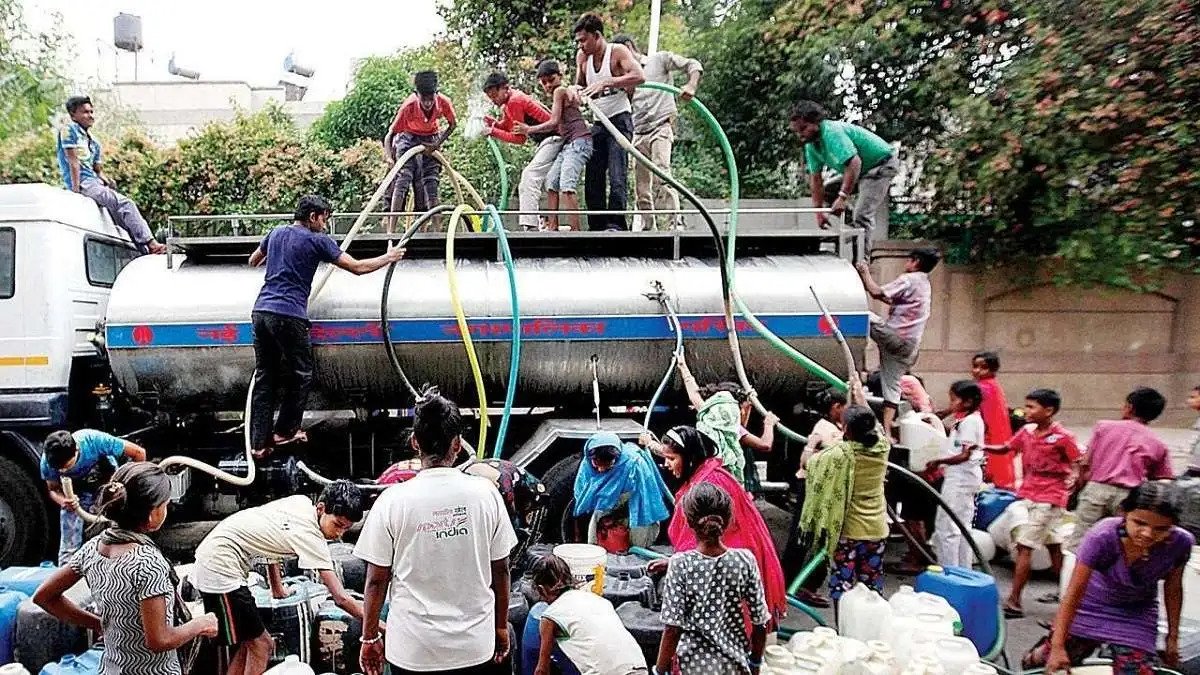
Delhi Water Supply Disruption During Maintenance Work
Several neighbourhoods in Delhi are likely to experience a temporary water supply disruption as the city’s water utility carries out routine maintenance of critical distribution infrastructure. The planned work, involving cleaning and servicing of underground reservoirs and pumping systems, is expected to affect select residential pockets for a limited period, prompting authorities to advise residents to store water in advance. Urban utilities officials say the exercise is part of an annual maintenance cycle aimed at improving the reliability and hygiene of the capital’s water distribution network. While such maintenance programmes can briefly interrupt supply, they are considered essential to ensure long-term operational stability in densely populated cities where ageing infrastructure and growing demand often strain public services.
The areas expected to face water supply disruption include several localities in the Rohini sub-city, along with nearby residential settlements and villages in the north-western part of the capital. Civic authorities indicated that the supply interruption will likely last for about a day in each affected area, depending on the time required to complete the flushing and servicing process. Officials involved in the maintenance programme say underground reservoirs and booster pumping stations require periodic flushing to remove sediment buildup and maintain water quality. Over time, mineral deposits and particulate matter can accumulate within storage structures and pipelines, reducing pumping efficiency and affecting distribution pressure. Scheduled cleaning ensures these systems continue to function effectively. Urban planners note that proactive maintenance is particularly important for megacities such as Delhi, where population density and expanding residential zones place increasing pressure on water supply infrastructure. Regular servicing of reservoirs and pumping facilities helps prevent larger system failures that could otherwise disrupt supply for extended periods.
Residents in affected areas have been encouraged to store adequate water for daily use and to conserve available supply during the disruption period. Civic helplines remain operational for residents who require assistance or wish to report local issues related to water supply. Experts in urban infrastructure management say planned disruptions are a standard practice in global cities seeking to maintain ageing water networks while gradually modernising distribution systems. In recent years, several Indian metropolitan regions have also begun adopting digital monitoring tools and improved maintenance scheduling to enhance efficiency in public utilities. From a sustainability perspective, improving maintenance regimes is seen as a key component of climate-resilient urban infrastructure. Efficient water distribution networks not only ensure reliable access for residents but also reduce wastage caused by leaks, sediment blockages and system inefficiencies. Officials say normal supply is expected to resume after the maintenance activity is completed, although pressure levels may take some time to stabilise across all neighbourhood pipelines.
As Delhi continues to expand, ensuring dependable and well-maintained water infrastructure will remain central to urban planning efforts. Routine maintenance exercises such as this one, while temporarily inconvenient, form part of a broader strategy to strengthen the city’s essential services and safeguard long-term water security for its residents.