Delhi Transit Oriented Development Policy Expands Housing Zones
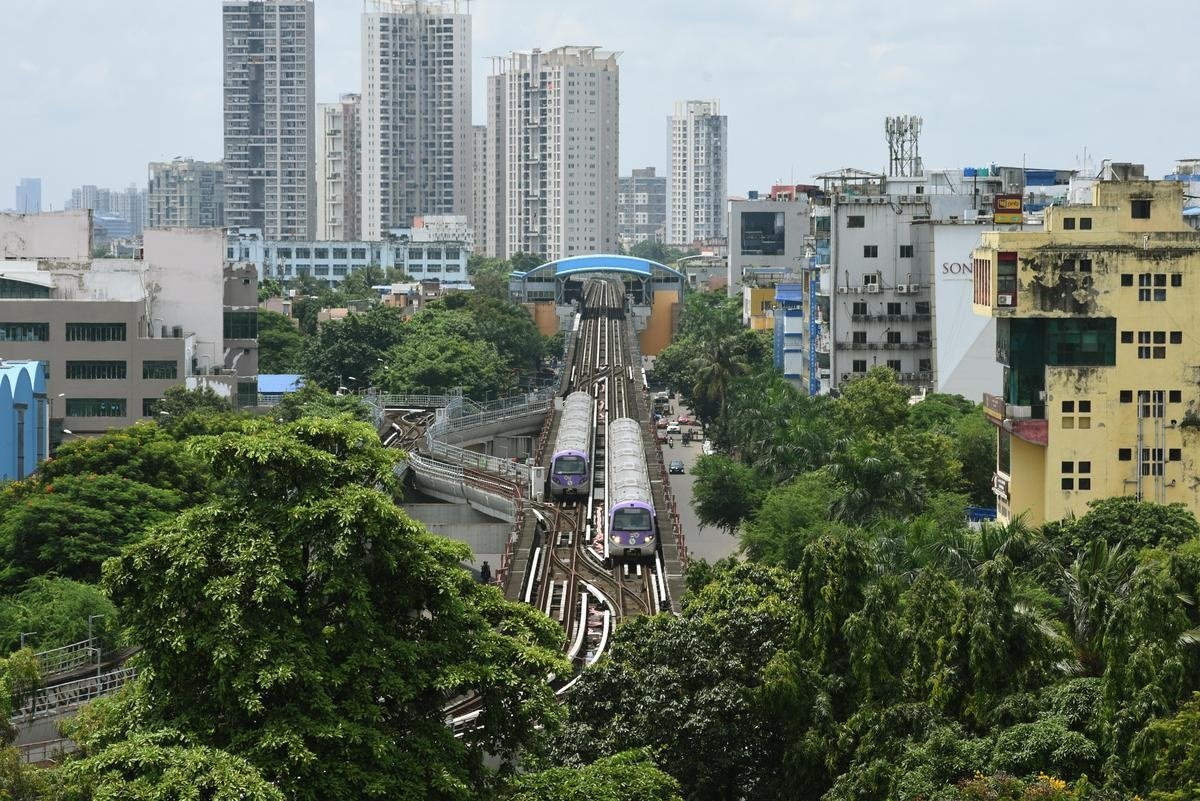
Delhi’s urban planning framework is set for a significant shift after authorities introduced a revised Transit Oriented Development Policy designed to align housing growth with the capital’s expanding mass transit network. The updated regulations enable higher-density development within a 500-metre zone around metro lines, railway stations and regional rapid transit corridors, potentially unlocking large areas of land for housing and mixed-use projects. Officials involved in the planning exercise estimate that the revised Transit Oriented Development Policy could influence development across more than 200 square kilometres of land in the national capital. The framework aims to concentrate residential and commercial activity near public transport infrastructure, encouraging compact neighbourhoods where commuting distances are shorter and public transport usage is higher.
Urban planners say the policy reflects a broader shift toward transit-linked urbanisation in rapidly expanding cities. By integrating land use planning with transport networks, authorities hope to reduce pressure on road infrastructure while improving accessibility for residents who rely on metro and regional rail services for daily travel. The revised framework also broadens the types of land parcels eligible for development under TOD provisions. Areas previously excluded from such planning mechanisms—including certain land pooling zones, low-density residential districts and unauthorised colonies—are now being brought under the policy’s coverage. This expansion is expected to increase the supply of land available for redevelopment and new housing projects. A notable change under the Transit Oriented Development Policy involves reducing the minimum land requirement for projects seeking TOD benefits. Smaller plots located along transit corridors can now qualify for development, provided they meet specified road width and infrastructure conditions. Urban development specialists believe this could encourage participation from a wider range of developers and property owners. The policy also introduces higher permissible building densities in TOD zones through increased floor area ratios, allowing developers to construct taller or larger structures relative to the plot size.
A majority portion of the built-up area is reserved for residential use, with dwelling sizes generally limited to ensure that housing remains accessible for middle-income households. Mixed-use planning is another core component of the revised framework. Alongside housing, a portion of development space can be allocated to commercial offices, retail outlets and institutional facilities. This approach aims to create neighbourhoods where people can live, work and access services within walking distance of transit stations. Infrastructure integration forms an important part of the planning strategy. The Transit Oriented Development Policy encourages the construction of pedestrian corridors—both elevated and underground—to link residential clusters directly with nearby metro and rail stations. Such design features are intended to support walkability and reduce dependence on private vehicles. Authorities have also introduced a simplified approval system to accelerate project implementation. Instead of navigating multiple government departments, developers can seek approvals through a single administrative channel supervised by a dedicated committee representing various civic agencies.
Urban policy experts note that transit-oriented planning is widely recognised as a key tool for building sustainable and climate-responsive cities. By concentrating growth near public transport networks, cities can optimise land use, reduce commuting emissions and create more accessible urban environments. For Delhi, the revised Transit Oriented Development Policy represents an attempt to combine housing expansion with improved mobility. The effectiveness of the approach will depend on how efficiently projects are implemented and how well transit networks keep pace with the expected increase in urban density.