Delhi Air Pollution Action Plan Tightens Vehicle Rules
Delhi authorities have introduced a comprehensive Delhi Air Pollution Action Plan aimed at tackling the capital’s persistent air quality challenges through stricter vehicle emission controls, traffic management reforms and expanded clean mobility infrastructure. The strategy combines regulatory measures with technology-driven monitoring to address pollution sources ranging from road transport to waste management and construction activity. A key component of the Delhi Air Pollution Action Plan focuses on freight transport entering the city. Beginning in November, goods vehicles will be required to meet advanced emission standards or operate on cleaner fuels such as compressed natural gas or electricity in order to access the capital’s road network. Officials overseeing the programme say the measure is designed to reduce high-emission diesel traffic that contributes significantly to urban particulate pollution.
To strengthen enforcement, authorities plan to deploy digital monitoring tools including automated number plate recognition systems capable of identifying vehicles that violate emission rules. Complementing this is a fuel compliance mechanism under which vehicles lacking valid pollution certification may be refused refuelling at city petrol pumps. Urban policy specialists note that combining digital enforcement with fuel restrictions could significantly improve compliance compared with traditional manual inspections. Traffic congestion remains another major contributor to emissions. The Delhi Air Pollution Action Plan identifies more than sixty high-traffic corridors where targeted interventions will be introduced to improve vehicle flow and reduce idle emissions. Measures being considered include adaptive traffic signals, integrated traffic control platforms and new parking management systems designed to regulate roadside parking and discourage unnecessary car use. Public transport expansion forms a central pillar of the strategy. City transport planners aim to increase the size of the bus fleet substantially over the coming years, with a significant proportion expected to run on electric power. Integrating buses with metro rail lines, regional rapid transit services and shared mobility options is intended to create seamless last-mile connectivity and reduce reliance on private vehicles.
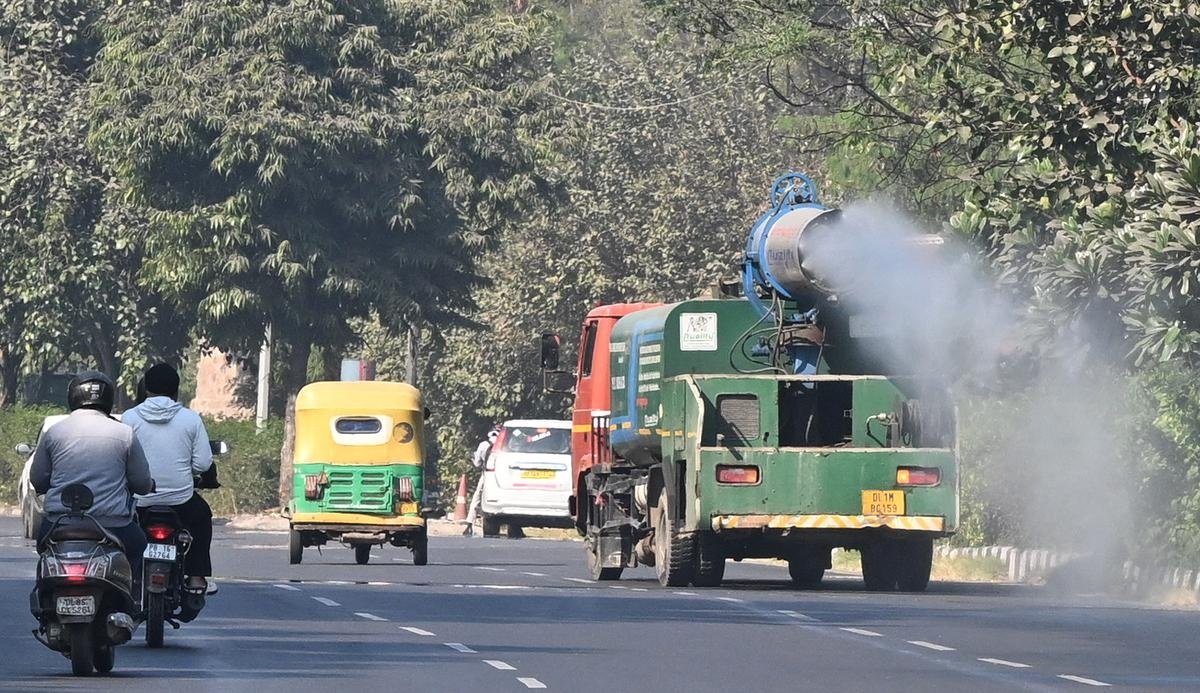
Supporting infrastructure for electric mobility is also planned. Authorities have outlined an ambitious expansion of charging facilities across the city to accommodate growing adoption of electric two-wheelers, commercial vehicles and shared transport fleets. Urban mobility experts say widespread charging availability is essential if cities hope to shift freight and passenger transport toward low-emission technologies. Beyond transport, the Delhi Air Pollution Action Plan also targets several other pollution sources. Road dust management measures will include large-scale mechanical sweeping, water spraying and monitoring systems to ensure operational accountability. Road strengthening projects are planned across thousands of kilometres to reduce dust generation from damaged surfaces. Waste management reforms are another priority. The city has set deadlines for the clearance of long-standing landfill sites, while industrial facilities will be required to install real-time emission monitoring equipment to track pollution output. Authorities have also emphasised strict enforcement against biomass burning, a seasonal contributor to deteriorating air quality. Urban environmental planners say tackling Delhi’s pollution crisis requires coordinated action across multiple sectors, combining infrastructure investment with behavioural change. The Delhi Air Pollution Action Plan attempts to align transport reforms, waste management and urban greening initiatives under a single implementation framework.
As the capital continues to grow, the effectiveness of such measures will depend on consistent enforcement and long-term policy continuity. For residents and businesses alike, the plan represents a critical step toward cleaner air, more efficient mobility and healthier urban living conditions.