UP Deep Tech Infrastructure Plan Targets Innovation Growth
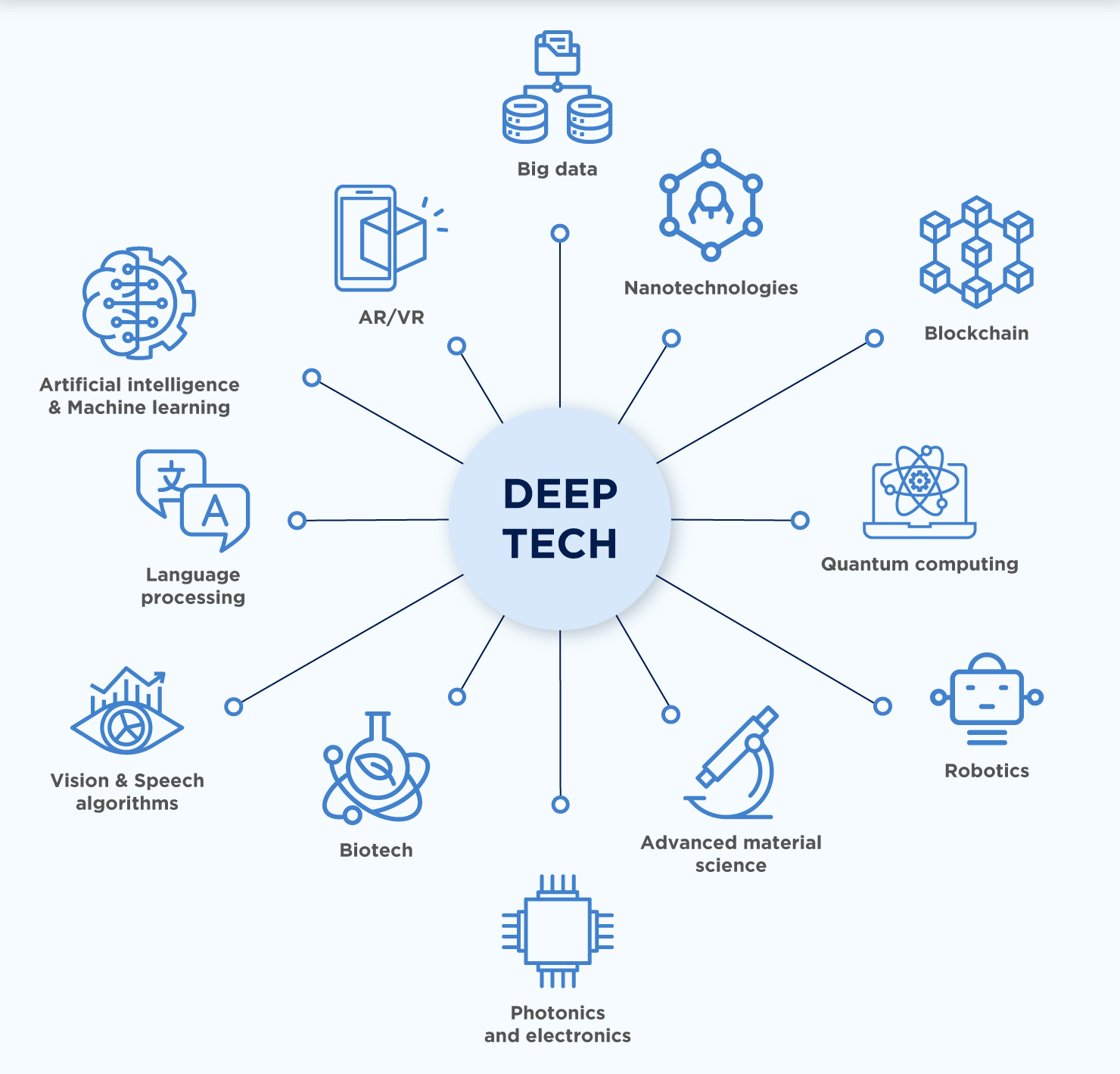
Uttar Pradesh is positioning itself as an emerging hub for advanced technology ecosystems, with a renewed focus on building infrastructure that supports deep-tech innovation. The evolving Uttar Pradesh deep tech infrastructure push reflects a strategic shift toward high-value sectors such as artificial intelligence, semiconductor design, robotics and data-driven industries, as the state seeks to expand beyond traditional manufacturing-led growth.
The initiative is anchored in a broader policy framework that prioritises next-generation infrastructure, including data centres, research facilities, incubation hubs and digital connectivity systems. Officials indicate that strengthening these foundational elements is essential to attracting global technology firms and enabling domestic startups to scale within the state’s expanding urban corridors. At the core of the Uttar Pradesh deep tech infrastructure push is the recognition that innovation ecosystems require more than financial incentives. Industry experts point out that deep-tech sectors depend heavily on access to specialised infrastructure—such as high-performance computing, advanced laboratories and secure data environments—which are often concentrated in a few metropolitan regions. Expanding such capabilities to emerging cities is seen as key to decentralising India’s technology landscape. Cities such as Noida and Greater Noida are being positioned as anchors for this transition, supported by existing industrial bases, connectivity infrastructure and proximity to the National Capital Region.
The state’s push is also aligned with investments in expressways, logistics networks and urban expansion, creating integrated ecosystems where technology firms can operate alongside manufacturing and services industries. The economic implications are significant. Deep-tech sectors typically generate high-skilled employment and attract long-term capital investment, contributing to more resilient and diversified growth. By focusing on these sectors, Uttar Pradesh aims to enhance its competitiveness in the global digital economy while creating opportunities for its growing workforce. Urban planners note that the Uttar Pradesh deep tech infrastructure push also intersects with broader city-building objectives. Advanced technology hubs often require high-quality urban environments, including reliable utilities, efficient transport systems, and sustainable infrastructure. Integrating these elements into planning frameworks is essential to ensure that rapid technological growth does not outpace urban liveability. The initiative also places emphasis on skill development and research collaboration. Partnerships with academic institutions and industry are expected to play a critical role in building a talent pipeline capable of supporting emerging technologies. This alignment between infrastructure and human capital is increasingly viewed as a prerequisite for sustaining innovation-driven economies.
However, challenges remain in execution. Ensuring timely project delivery, maintaining regulatory clarity, and fostering an ecosystem that supports startups and research institutions will be critical to translating policy intent into tangible outcomes. Experts caution that global competition for deep-tech investment is intensifying, making it essential for states to offer both infrastructure readiness and policy stability. From a sustainability perspective, the expansion of digital infrastructure—particularly data centres—raises questions around energy consumption and environmental impact. Integrating renewable energy sources and efficient resource management systems will be crucial to aligning the growth of deep-tech infrastructure with climate-resilient development goals. As Uttar Pradesh advances its ambitions, the Uttar Pradesh deep tech infrastructure push signals a transition toward knowledge-driven urban economies. Its long-term success will depend on how effectively the state balances innovation, inclusivity, and sustainability in shaping its next phase of growth.