Chandigarh Weather Alert Warns Of Extreme Conditions
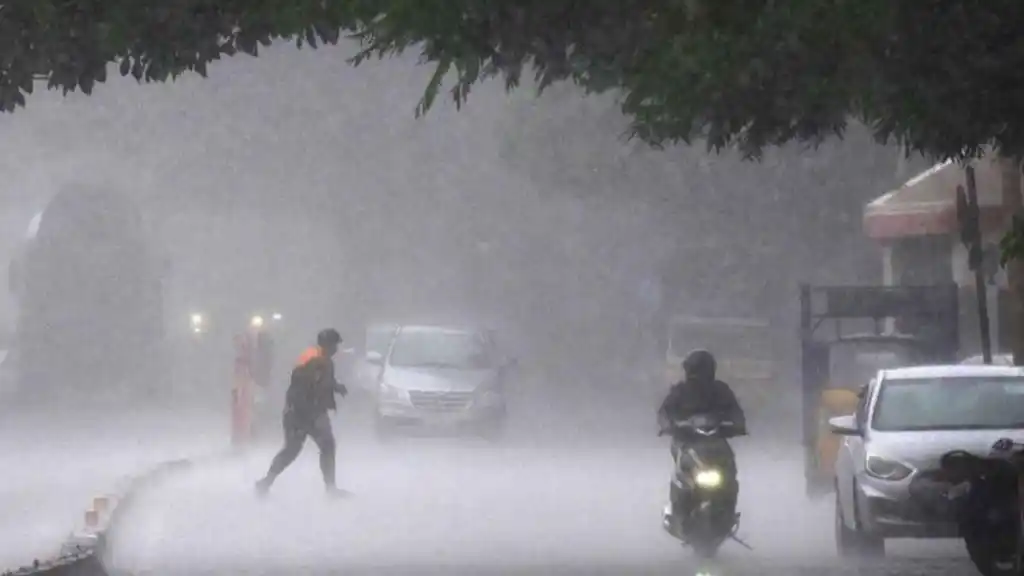
An active weather system has triggered an Punjab weather alert across Chandigarh and surrounding regions, with authorities warning of thunderstorms, hail, and strong winds over the next 48 hours. The advisory, classified as an orange alert, indicates the likelihood of moderate to severe disruptions, particularly in urban mobility, agriculture, and essential services.
According to meteorological assessments, wind speeds are expected to reach 40–60 kmph, accompanied by lightning and scattered rainfall across multiple districts. Hailstorms are also likely in isolated pockets, increasing the risk of damage to crops, temporary structures, and overhead infrastructure. The current weather shift is being driven by a western disturbance over the Himalayan region, interacting with lower atmospheric systems to intensify storm activity across north India. This pattern has already begun affecting Punjab and Chandigarh, with conditions expected to peak between April 7 and April 8 before gradually stabilising. For cities like Chandigarh, the Punjab weather alert highlights vulnerabilities in urban infrastructure during sudden weather events. Strong winds and lightning can disrupt electricity networks, damage roadside assets, and affect traffic flows, particularly in areas with ongoing construction or limited drainage capacity. Urban planners note that such pre-monsoon disturbances often expose gaps in resilience planning, especially in rapidly growing city regions.
The implications extend beyond urban systems. In Punjab’s agrarian economy, hailstorms during the harvesting season pose a significant threat to standing crops. Recent weather events have already led to substantial losses in wheat-producing districts, with further rainfall and storm activity expected to aggravate the situation. From a climate perspective, the frequency and intensity of such pre-season weather events are becoming more pronounced. Experts link this variability to shifting atmospheric patterns, where traditional seasonal transitions are increasingly marked by extreme and short-duration weather episodes. This trend is prompting cities and states to reassess preparedness strategies, particularly in areas such as early warning systems, drainage infrastructure, and emergency response coordination. Authorities have advised residents to remain cautious, avoid open areas during lightning activity, and secure loose outdoor objects that could be displaced by strong winds. Transport operators and civic agencies are also on alert to manage potential disruptions during peak storm periods.
While the immediate impact may include temporary cooling and improved air quality, the broader risks underscore the need for adaptive infrastructure systems. As urban regions like Chandigarh expand, integrating climate resilience into planning frameworks is becoming critical to safeguarding both economic activity and public safety. The Punjab weather alert serves as a reminder that even short-term weather events can have cascading effects on cities and economies. How effectively institutions respond in real time—and adapt over the long term—will shape the region’s resilience to an increasingly unpredictable climate cycle.