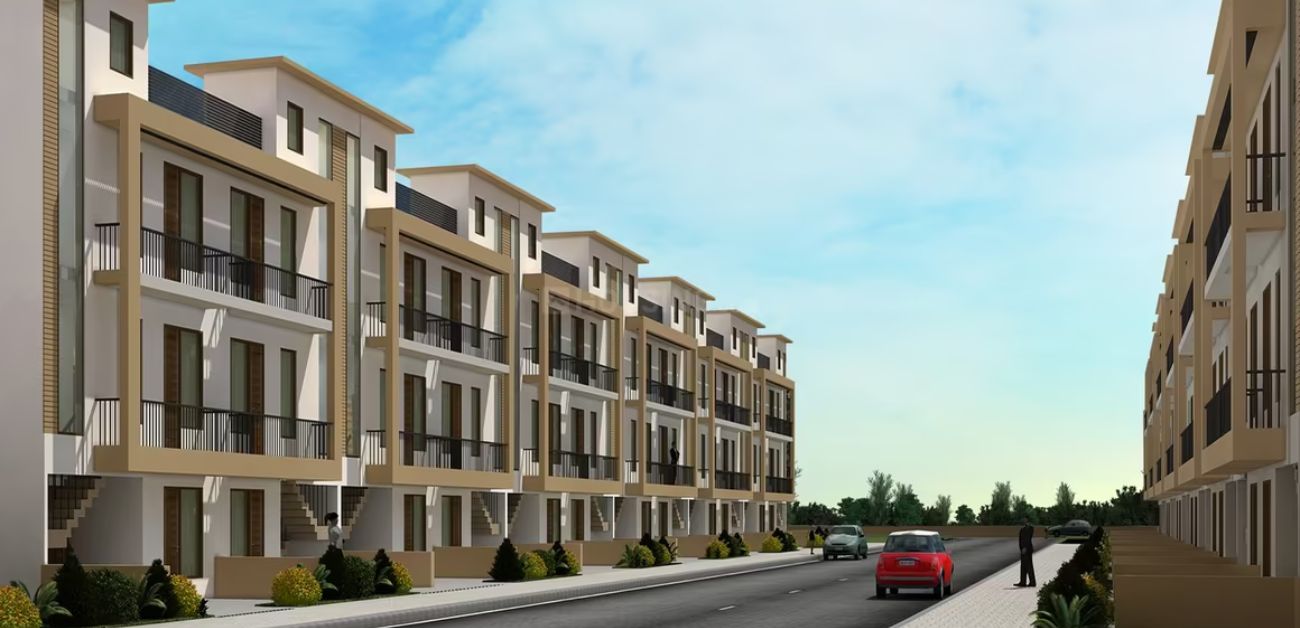
Ludhiana Township Project Signals New Housing Push
A large-scale Ludhiana township project is set to reshape the city’s urban footprint, with a planned ₹750 crore investment aimed at developing a 150-acre integrated residential community. The initiative signals renewed confidence in Punjab’s industrial capital as developers pivot towards emerging Tier-II cities with strong end-user demand and diaspora-driven investment.
The proposed Ludhiana township project will bring together a mix of housing typologies, including plotted developments, low-rise independent floors and group housing clusters. With an estimated developable area of around six million square feet, the project reflects a growing shift towards diversified housing formats that cater to both ownership aspirations and long-term capital appreciation. Urban planners note that Ludhiana’s economic base anchored in manufacturing, small-scale industries and export-oriented businesses has consistently generated local housing demand. At the same time, inward remittances from non-resident Indians continue to influence real estate absorption patterns, particularly in premium and plotted segments. This dual demand base is increasingly encouraging developers to scale up integrated township formats rather than standalone projects.
Beyond real estate expansion, the project’s scale raises important questions around infrastructure readiness. Large townships often place additional pressure on mobility networks, water supply systems and waste management frameworks. Experts suggest that aligning such developments with sustainable urban planning principles such as decentralised water reuse, energy-efficient building design and accessible public spaces will be critical to ensuring long-term liveability.The move also reflects a broader trend across India’s secondary cities, where land availability and relatively lower entry costs are enabling more expansive, master-planned communities. Compared to congested metropolitan regions, these cities offer the opportunity to design neighbourhoods with better street layouts, green cover and social infrastructure from the outset. However, execution quality and governance oversight remain key determinants of whether such projects evolve into inclusive urban districts or fragmented enclaves.
In Punjab, where urbanisation has historically been less dense and more horizontally spread, township-led growth could redefine how cities expand. If integrated with public transport, employment nodes and civic amenities, projects of this nature could reduce unplanned sprawl while improving quality of life for residents. As construction timelines and regulatory approvals progress, the focus will increasingly shift to how effectively the development integrates with Ludhiana’s existing urban systems. For policymakers and developers alike, the challenge lies in balancing growth with resilience ensuring that the next phase of the city’s expansion remains environmentally responsive, economically viable and socially inclusive.