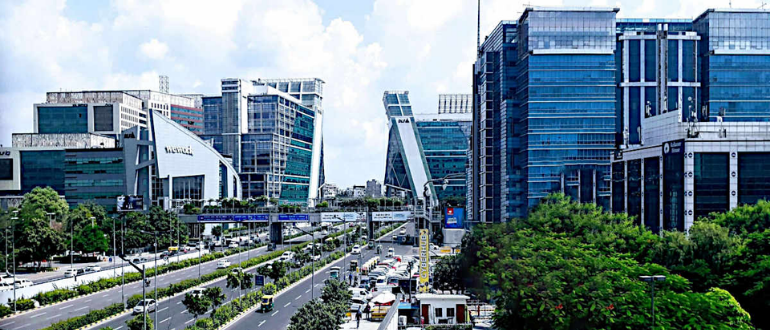
India’s property market, led by the National Capital Region (NCR), is showing signs of a sustained expansion phase as large developers report consistent multi-thousand crore sales, signalling stronger end-user confidence and a structural shift in housing demand. The trend reflects not just cyclical recovery but a deeper recalibration of how urban housing is planned, financed, and consumed.
Industry data indicates that leading developers have now crossed the ₹5,000 crore annual sales mark for consecutive years, with a significant share of bookings concentrated in NCR micro-markets such as Noida and Gurugram. Urban planners note that this scale of absorption points to improved buyer confidence, driven by greater project transparency, timely delivery, and stronger regulatory oversight. What distinguishes the current NCR real estate upcycle is the changing nature of demand. Buyers are increasingly end-users rather than speculative investors, a shift that is stabilising pricing cycles and reducing volatility. This demand is particularly visible in premium and mid-premium segments, where well-located projects continue to see rapid sales shortly after launch.
A parallel transformation is underway in housing design. Developers are embedding wellness features such as open green spaces, air quality management, and community-centric layouts into core project planning. According to urban design experts, this reflects post-pandemic preferences for healthier living environments and lower-density development. Such features are also enabling developers to command price premiums while aligning with broader sustainability goals.Beyond NCR, the expansion of the NCR real estate upcycle into Tier-2 cities is becoming more pronounced. Cities like Ludhiana are attracting large-scale township investments, supported by industrial growth, infrastructure upgrades, and rising income levels. For developers, this diversification reduces geographic risk while tapping into previously under-served housing markets. Commercial real estate is also seeing a shift, particularly in high-street retail formats integrated with residential developments. Mixed-use projects that combine housing, retail, and hospitality are gaining traction, as they cater to evolving consumption patterns and reduce travel dependency an important factor in lowering urban congestion and emissions.
Infrastructure continues to play a decisive role in shaping demand. Projects located near expressways, transit corridors, and upcoming airports are witnessing stronger buyer interest, underlining how connectivity remains central to urban growth. Experts suggest that coordinated planning between transport and housing could further enhance livability and reduce urban sprawl.Financial discipline among developers marks another departure from previous cycles. Lower debt levels, phased construction strategies, and improved cash flows are helping firms maintain stability even as they expand portfolios. This shift is critical for long-term sector resilience and timely project delivery. As the NCR real estate upcycle gathers pace, its broader significance lies in how it reshapes urban growth patterns balancing density with livability, and expansion with sustainability. The coming years will test whether this momentum can translate into more inclusive and climate-responsive urban development across both metro and emerging cities.