


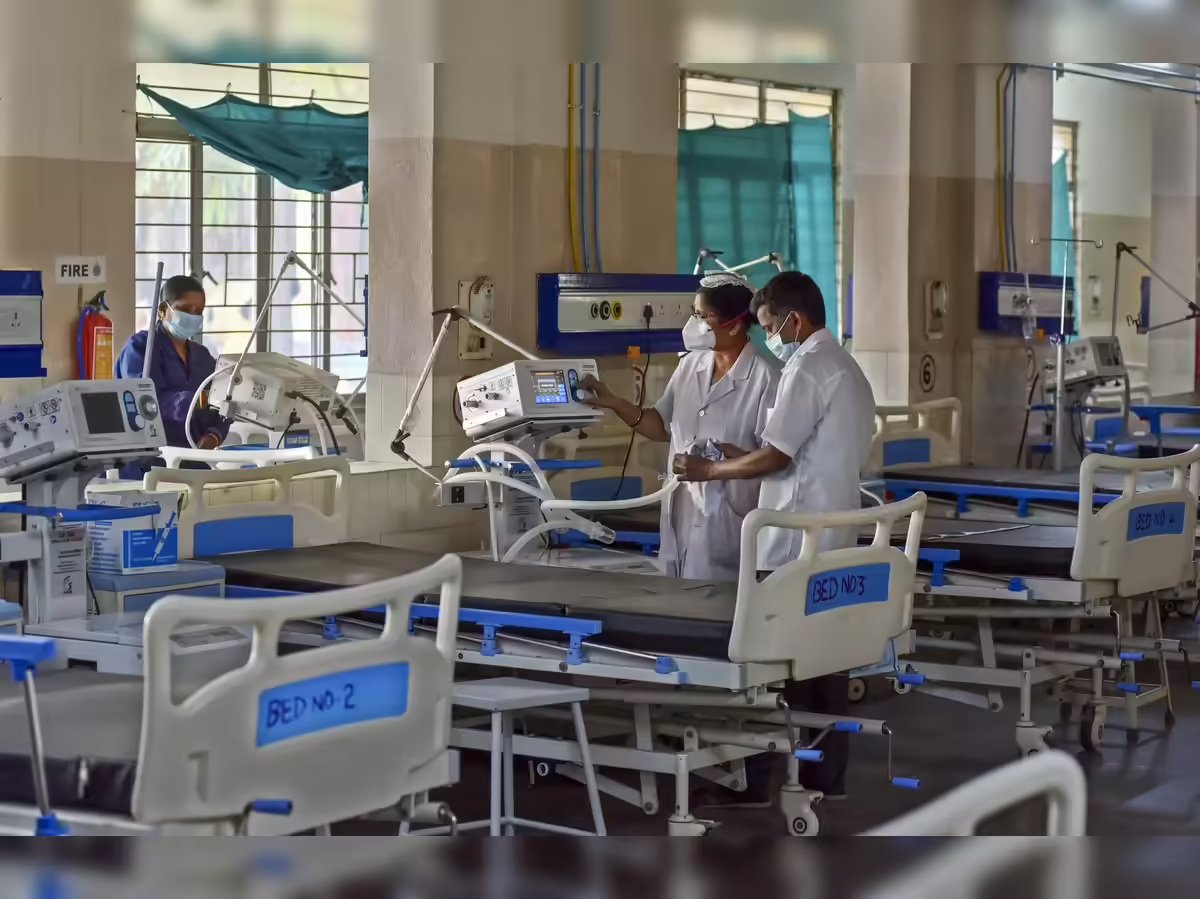
Hyderabad is facing a growing healthcare workforce gap, with staffing levels falling behind other major southern cities, raising concerns about the sustainability of service delivery in a rapidly expanding urban environment. The shortfall underscores a widening disconnect between infrastructure growth and the availability of trained medical professionals, with implications for public health access and city resilience.
Recent estimates suggest that Telangana has roughly 30 healthcare workers per 10,000 population—significantly below the World Health Organization’s recommended threshold and lower than several neighbouring states. This disparity is increasingly visible in Hyderabad, where population growth, urban sprawl, and rising healthcare demand are placing pressure on existing systems.The emerging Hyderabad healthcare workforce shortage is particularly concerning given the city’s position as a major medical hub. While Hyderabad has seen significant investments in hospitals, diagnostics, and specialised care facilities, the pace of workforce expansion has not matched the scale of infrastructure development. Health experts note that without adequate staffing, even well-equipped facilities risk operating below optimal capacity.The shortage is further intensified by uneven distribution within the urban ecosystem. While premium private hospitals in central and high-income areas attract specialists, peripheral zones and public healthcare facilities often face staffing constraints. This imbalance contributes to overcrowding in tertiary hospitals and increases dependency on a limited number of high-capacity centres.
The Hyderabad healthcare workforce shortage also reflects broader systemic issues within India’s healthcare sector, including a national deficit of trained professionals and gaps in workforce planning. Rapid urbanisation has amplified these challenges, particularly in cities where population growth is outpacing institutional capacity.From an urban development standpoint, the issue extends beyond healthcare delivery. Access to reliable medical services is a cornerstone of liveable cities, influencing migration patterns, economic productivity, and overall quality of life. Inadequate staffing can lead to longer waiting times, delayed treatments, and increased out-of-pocket expenditure for residents—factors that disproportionately affect vulnerable populations.The challenge also highlights the need for integrated planning in the built environment. As Hyderabad continues to expand with new residential zones, industrial clusters, and infrastructure projects, healthcare provisioning must evolve in tandem. Experts suggest that aligning workforce planning with urban growth strategies will be critical to ensuring equitable access across the city.Policy responses are likely to focus on expanding medical education, streamlining recruitment, and incentivising healthcare professionals to work in underserved areas. Strengthening primary and secondary care networks could also help reduce pressure on tertiary hospitals, improving overall system efficiency.
At the same time, retention remains a key concern. Working conditions, career progression opportunities, and infrastructure support play a crucial role in sustaining the healthcare workforce. Without addressing these factors, efforts to bridge the gap may face long-term challenges.Looking ahead, addressing the Hyderabad healthcare workforce shortage will be central to the city’s ability to sustain inclusive growth. As healthcare demand rises alongside urban expansion, ensuring that human resources keep pace with infrastructure will be essential in building a resilient, people-first urban system.
Also Read: CCL SOP Framework Strengthens Mining Operations Governance
Hyderabad Healthcare Workforce Gap Raises Urban Concerns
