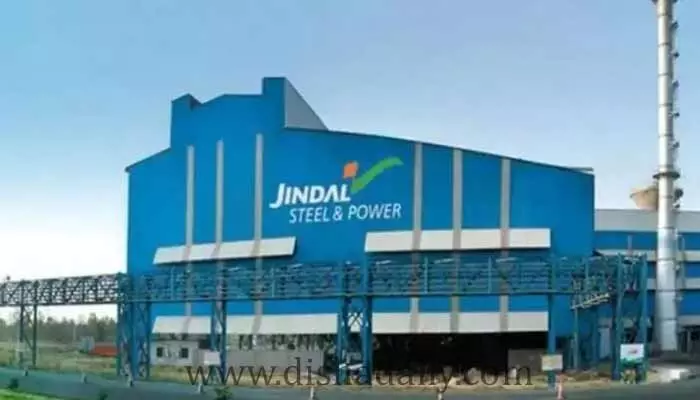
Jindal Steel has begun deploying synthesis gas, or syngas, across its furnace operations to address shortages of conventional fuels such as natural gas and liquefied petroleum gas. The move reflects a broader shift within India’s steel sector towards alternative energy sources as global supply disruptions and price volatility reshape industrial fuel strategies.
The company has integrated syngas into its heating and production processes, particularly in reheating furnaces, where consistent fuel supply is critical for maintaining output levels. This transition comes amid tightening availability of imported fuels, which has pushed manufacturers to explore domestically viable alternatives to sustain operations.At the centre of this shift is the growing relevance of syngas steel production India, which involves converting coal into a cleaner gaseous fuel that can replace traditional hydrocarbons. By leveraging domestic coal reserves, Jindal Steel is reducing its exposure to global energy markets while maintaining operational continuity.Industry analysts note that the use of syngas offers both economic and strategic advantages. It provides greater control over fuel costs, reduces dependency on imports, and enables more stable production cycles. In the current environment—marked by geopolitical tensions and fluctuating energy prices—such flexibility is becoming increasingly valuable for large-scale industrial players.
The adoption of syngas also carries environmental implications. While coal-based, the gasification process allows for more efficient combustion and can result in lower emissions compared to direct coal usage in certain applications. Experts suggest that, when combined with emerging carbon management technologies, syngas could play a transitional role in reducing the carbon intensity of steel production.The expansion of syngas steel production India is closely linked to the country’s infrastructure and urban development ambitions. Steel remains a fundamental material for construction, transport networks, and industrial facilities. Ensuring stable and cost-effective production is therefore critical to maintaining the pace of urbanisation and infrastructure delivery.The shift also highlights a structural change in how Indian industries are responding to energy challenges. Rather than relying solely on imported fuels, companies are increasingly investing in technologies that enable the use of locally available resources. This aligns with broader national priorities around energy security and self-reliance.However, scaling syngas adoption presents its own challenges. The technology requires significant capital investment and operational expertise, and its long-term viability will depend on regulatory support and advancements in emissions control. Industry observers emphasise that while syngas offers immediate relief from fuel shortages, it should be integrated with longer-term strategies focused on renewable energy and low-carbon production methods.
From an urban systems perspective, the development is significant. Reliable steel production underpins the construction of housing, infrastructure, and public utilities. Any disruption in fuel supply can have cascading effects on project timelines and costs, making energy diversification a key factor in sustaining urban growth.Looking ahead, Jindal Steel’s approach signals a potential pathway for the wider industry. As energy markets remain uncertain, the ability to adapt fuel strategies will be critical. The continued evolution of syngas steel production Indiacould play an important role in shaping a more resilient and self-sufficient industrial ecosystem, while supporting the country’s long-term infrastructure and sustainability goals.