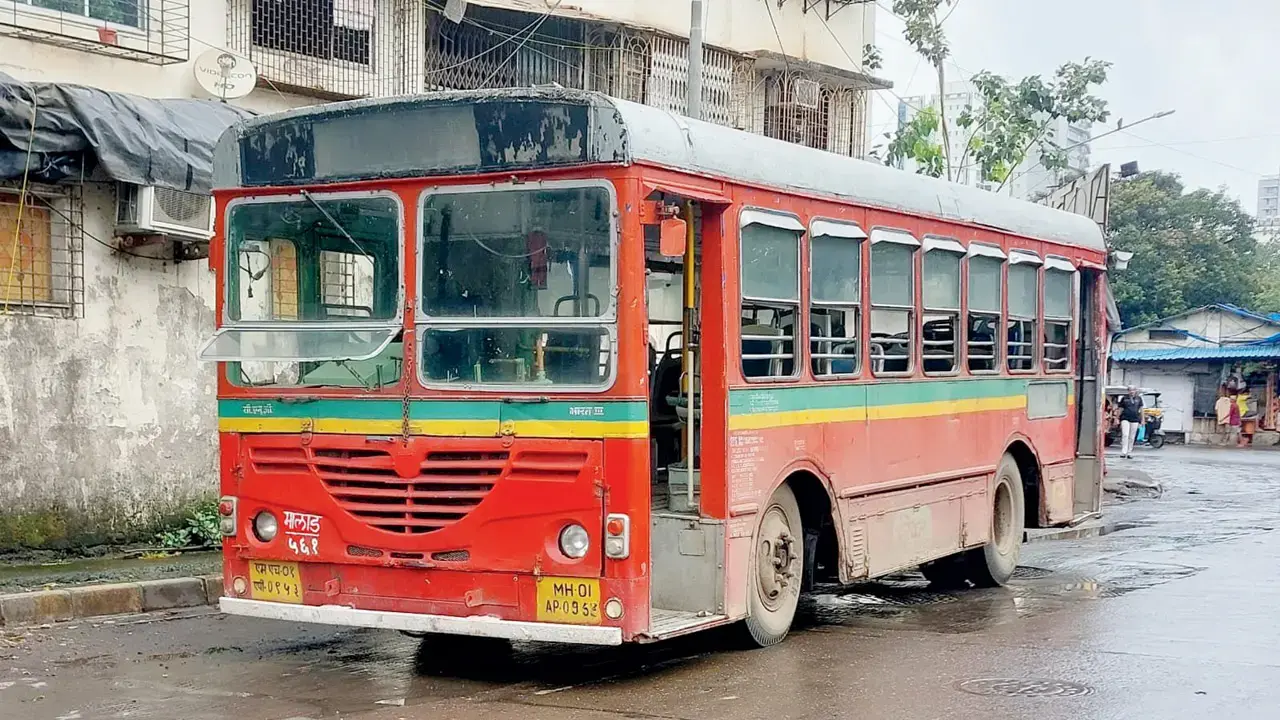
Mumbai’s public transport network is facing renewed scrutiny after an internal assessment highlighted operational buses running with unresolved mechanical faults, raising concerns over commuter safety and system accountability.
The findings relate to the city’s bus fleet managed by the Brihanmumbai Electric Supply and Transport undertaking, a backbone of daily mobility for millions. The issue has triggered urgent administrative attention, with senior officials convening discussions to review maintenance practices and risk management protocols. The development is significant for a city that depends heavily on buses for affordable, last-mile connectivity. According to officials familiar with the assessment, multiple vehicles—particularly those operated under wet-lease agreements—were found to be in service despite previously recorded defects. These include faults in braking systems, steering mechanisms, and transmission components, all of which directly influence vehicle control and passenger safety. Follow-up checks revealed that several issues flagged during earlier inspections remained unresolved over successive months.
Urban transport experts note that such lapses point to deeper structural challenges in outsourced fleet management. Wet-leasing, where private operators supply buses and drivers while the public agency manages routes, has been widely adopted to expand capacity without upfront capital expenditure. However, this model also requires stringent oversight mechanisms to ensure maintenance standards are consistently met. The BEST bus safety issue comes at a time when Mumbai is attempting to modernise its public transport system with cleaner and more efficient fleets, including electric buses. While fleet expansion has improved accessibility in several corridors, gaps in maintenance governance could undermine both commuter confidence and long-term sustainability goals.
Safety analysts emphasise that unresolved defects in core systems such as brakes and steering significantly increase the risk of accidents, especially in high-density urban traffic conditions. For drivers, operating such vehicles may also create unsafe working environments, potentially leading to human error under pressure. From a policy standpoint, the situation raises questions about monitoring frameworks and accountability structures between public agencies and private contractors. Experts suggest that digital tracking of maintenance records, real-time fitness audits, and stricter penalty clauses could help improve compliance and transparency.
The BEST bus safety concerns also intersect with broader urban priorities, including equitable mobility and climate resilience. Public buses remain one of the most energy-efficient and inclusive transport modes in the city, particularly for lower-income commuters. Ensuring their safety and reliability is therefore critical not just from a transport perspective, but also for social and economic stability. As authorities move to review the findings, transport planners indicate that corrective measures—ranging from immediate fleet checks to systemic reforms—will be essential. The next phase will likely determine whether Mumbai can strengthen operational discipline while continuing its transition towards a safer, low-emission public transport ecosystem.
BEST Mumbai Operations Under Scrutiny Over Safety Gaps