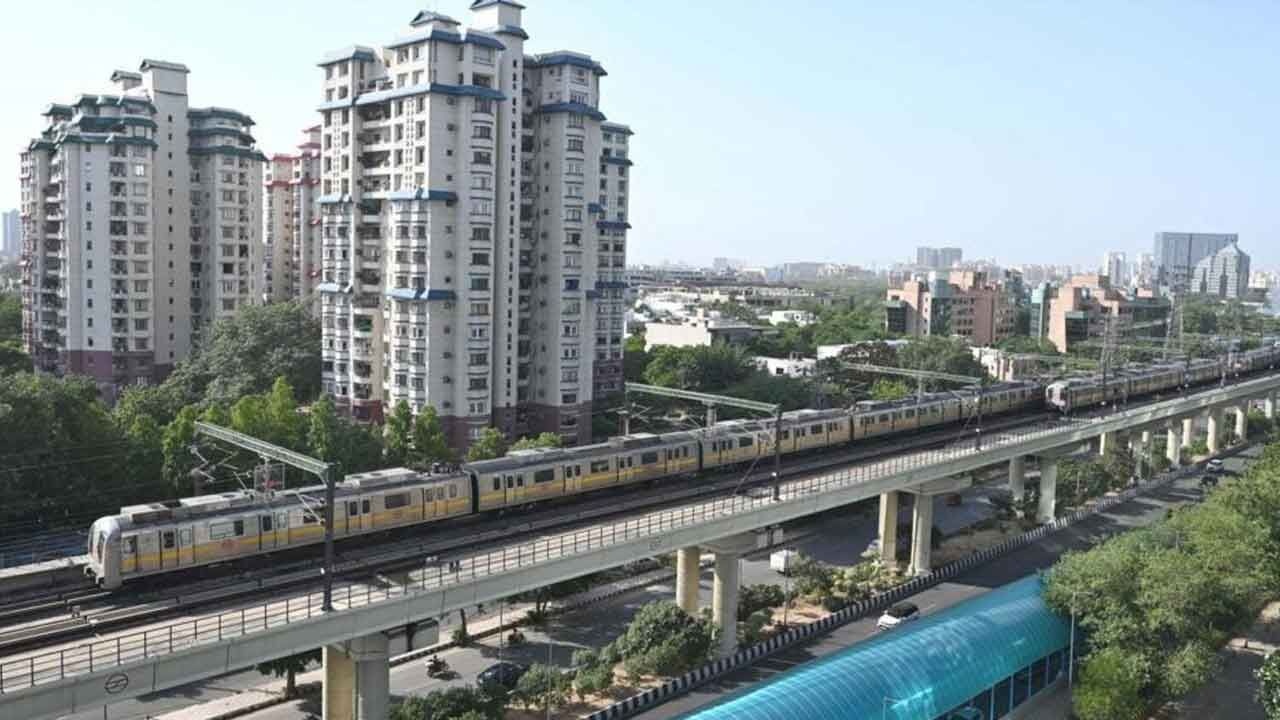
Gurugram Property Prices Rise Along Metro Expansion
A combination of infrastructure expansion and revised land valuation norms is reshaping the real estate landscape in Gurugram, with property values rising sharply along proposed metro corridors and key urban transport routes. The surge follows the implementation of updated government circle rates for the 2026–27 financial year, which came into effect in early April and have recalibrated land prices across several parts of the city. Urban development observers say the Gurugram metro expansion has become a major catalyst for renewed investment activity, particularly in older neighbourhoods that had seen slower real estate growth in recent years. By improving connectivity between residential zones, employment centres and regional transport corridors, the metro network is expected to influence both housing demand and land valuation patterns across the metropolitan region.
Officials involved in the revenue administration indicate that some sectors located near planned transit routes have experienced substantial increases in notified property values. In several established residential clusters and commercial districts, revised circle rates have risen by between 25 per cent and 75 per cent, reflecting the anticipated economic benefits associated with improved connectivity. Areas surrounding established business hubs and residential developments have witnessed some of the most pronounced increases. Localities within the DLF residential and commercial districts, including several phases near Cyber City, have seen sharp adjustments in official land values. Similar upward revisions have been recorded in parts of the Wazirabad administrative zone, where sectors along emerging mobility corridors are being positioned as future urban growth clusters. Real estate analysts suggest the Gurugram metro expansion is particularly significant for older parts of the city that had experienced slower price appreciation compared with newer developments along the Dwarka Expressway and other emerging corridors. Enhanced transit access is expected to improve commuter mobility while strengthening the attractiveness of these neighbourhoods for both residential buyers and commercial investors.
Commercial property markets have also responded strongly to the revised valuation framework. Market watchers report notable increases in notified rates for retail and office spaces located along established arterial roads and commercial stretches. Improved connectivity through metro integration is likely to support business activity, particularly in districts that already host corporate offices and service sector enterprises. However, urban economists caution that while rising land values often signal economic optimism, they can also create affordability challenges for prospective homebuyers and small businesses. Sustaining balanced urban growth will require careful coordination between transport planning, housing policy and infrastructure provision. The expansion of public transit infrastructure remains a central component of Gurugram’s long-term urban strategy. By linking residential areas to employment centres and regional transport networks, the Gurugram metro expansion is expected to encourage transit-oriented development patterns that reduce reliance on private vehicles and support more sustainable mobility choices.
As infrastructure construction progresses and new stations become operational, planners anticipate further adjustments in property values across the metropolitan region. For investors and residents alike, the evolving relationship between transit infrastructure and real estate markets will continue to shape Gurugram’s urban development trajectory in the coming years.