


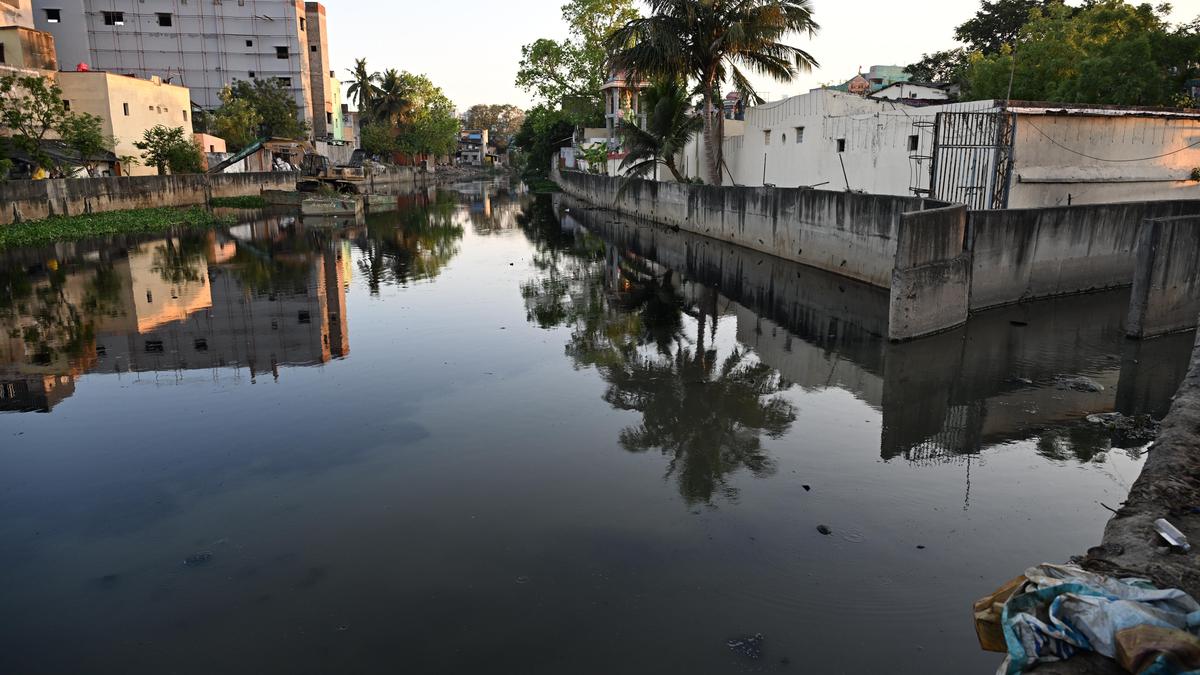
Industrial expansion along Chennai’s northern corridor has yet to translate into meaningful improvements in everyday living conditions for residents of Ponneri, highlighting a growing disconnect between economic growth and civic infrastructure delivery.
Located on the outskirts of Chennai, Ponneri has emerged as a strategic node in the region’s industrial landscape, with manufacturing and logistics activity steadily increasing over the past decade. However, the anticipated spillover benefits—improved roads, reliable water supply, and better sanitation—remain uneven, leaving local communities grappling with persistent challenges.The gap between industrial output and urban services has become more visible as the area attracts investment without corresponding upgrades in public infrastructure. Residents report issues ranging from poor road conditions and inadequate drainage to inconsistent access to basic utilities. The Ponneri civic infrastructure issues underline how growth corridors can evolve into high-output zones without achieving proportional improvements in liveability.Urban development experts argue that this pattern reflects a broader planning challenge in rapidly expanding metropolitan regions.Industrial zones are often prioritised for land allocation and connectivity to support economic activity, while residential and civic infrastructure development lags behind. This imbalance can create long-term inefficiencies, including increased commute times, environmental stress, and reduced quality of life.From an economic standpoint, the persistence of Ponneri civic infrastructure issues may also impact workforce stability.Industrial clusters depend on a reliable l
abour pool, much of which resides in nearby areas.Inadequate housing conditions and limited public services can deter skilled workers from settling in these zones, potentially affecting productivity and long-term investment attractiveness.There are also environmental implications. Insufficient drainage and waste management systems can exacerbate flooding and pollution risks, particularly during periods of heavy rainfall.For a region already vulnerable to climate variability, the absence of resilient infrastructure raises concerns about future sustainability.Policy analysts note that integrating industrial planning with comprehensive urban development strategies is essential. This includes aligning infrastructure investments with population growth, ensuring that civic amenities keep pace with economic expansion, and incorporating climate-resilient design principles. Without such integration, growth may remain uneven and socially fragmented.Local authorities have indicated that infrastructure upgrades are under consideration, but timelines and implementation frameworks remain unclear.Experts suggest that coordinated action between state agencies, urban local bodies, and industry stakeholders will be critical to addressing the backlog.
As Chennai continues to position itself as a major industrial hub, the experience of Ponneri serves as a reminder that economic progress alone does not guarantee improved living standards. Bridging the gap between development and daily life will require sustained investment in inclusive, resilient urban systems that prioritise both productivity and people.
Also Read:Chennai College AI Use Disclosure Policy Introduced
