Delhi authorities have unveiled a sweeping regulatory strategy aimed at cutting transport-related emissions, including a decision to bar non-compliant freight vehicles from entering the capital starting late 2026. The move forms part of the city’s wider Delhi air pollution plan, designed to tackle some of the most persistent sources of urban pollution through tighter regulations, technology-based enforcement and expansion of cleaner public transport systems. Under the new framework, goods vehicles that do not meet the latest Bharat Stage VI emission standards will no longer be permitted to enter Delhi from November 2026. Only vehicles compliant with the latest emission norms, along with those powered by compressed natural gas or electricity, will be allowed to operate within the capital’s boundaries.
Transport and environmental planners say freight traffic remains a significant contributor to particulate pollution in the region. By restricting older diesel vehicles, the Delhi air pollution plan aims to accelerate the transition toward cleaner logistics fleets while reducing emissions from long-distance commercial transport moving through the national capital. The strategy also introduces technology-driven enforcement measures. Authorities are preparing to implement a policy linking fuel supply to vehicle pollution compliance. Using automatic number plate recognition cameras installed at fuel stations and traffic checkpoints, vehicles lacking valid emission certificates may be denied fuel access. Officials say such automated monitoring systems could strengthen enforcement by reducing reliance on manual inspection. Urban mobility improvements form another major pillar of the Delhi air pollution plan. The government intends to significantly expand the city’s public bus network over the coming years, with thousands of additional buses planned for deployment by the end of the decade. Electric buses are expected to form a substantial share of the expanded fleet, supporting a gradual shift toward lower-emission public transport.
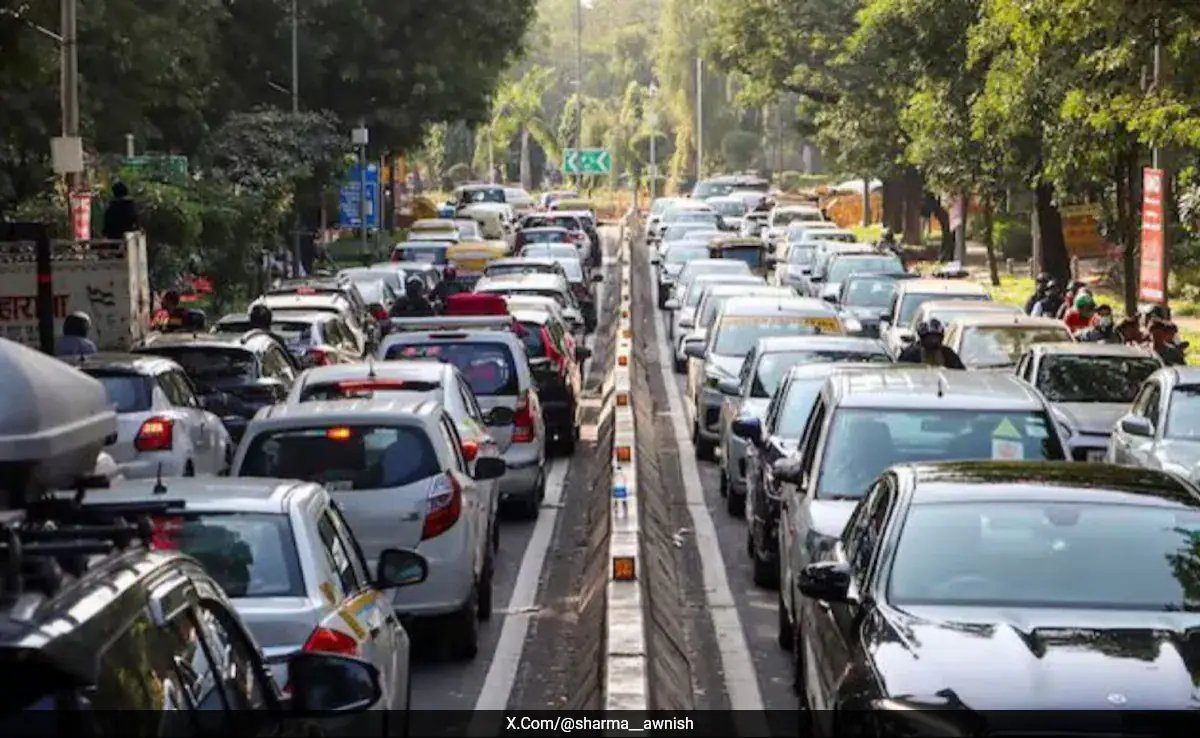
In parallel, authorities are investing in the infrastructure required to support electric vehicles. Plans are underway to install tens of thousands of charging points across the city over the next four years, enabling broader adoption of electric mobility by residents and commercial operators. Traffic congestion and road dust are also being addressed within the strategy. Urban planners have identified dozens of congestion hotspots where targeted infrastructure improvements and intelligent traffic management systems will be introduced to ease vehicle flow. Reducing stop-and-go traffic can lower fuel consumption and decrease emissions in heavily used corridors. Dust pollution generated from roads and construction sites will also be targeted through mechanised sweeping, water spraying and other suppression techniques. Monitoring systems linked to GPS-enabled equipment are expected to track whether dust control operations are carried out as scheduled. Environmental analysts say Delhi’s strategy reflects an increasing shift toward integrated air-quality governance. Rather than focusing on isolated measures, policymakers are attempting to combine regulation, infrastructure investment and digital monitoring under a unified Delhi air pollution plan.
As the city continues to grapple with severe seasonal smog episodes, the effectiveness of these measures will depend largely on enforcement and regional coordination. For India’s capital, balancing economic activity with cleaner air remains one of the most pressing urban policy challenges.