


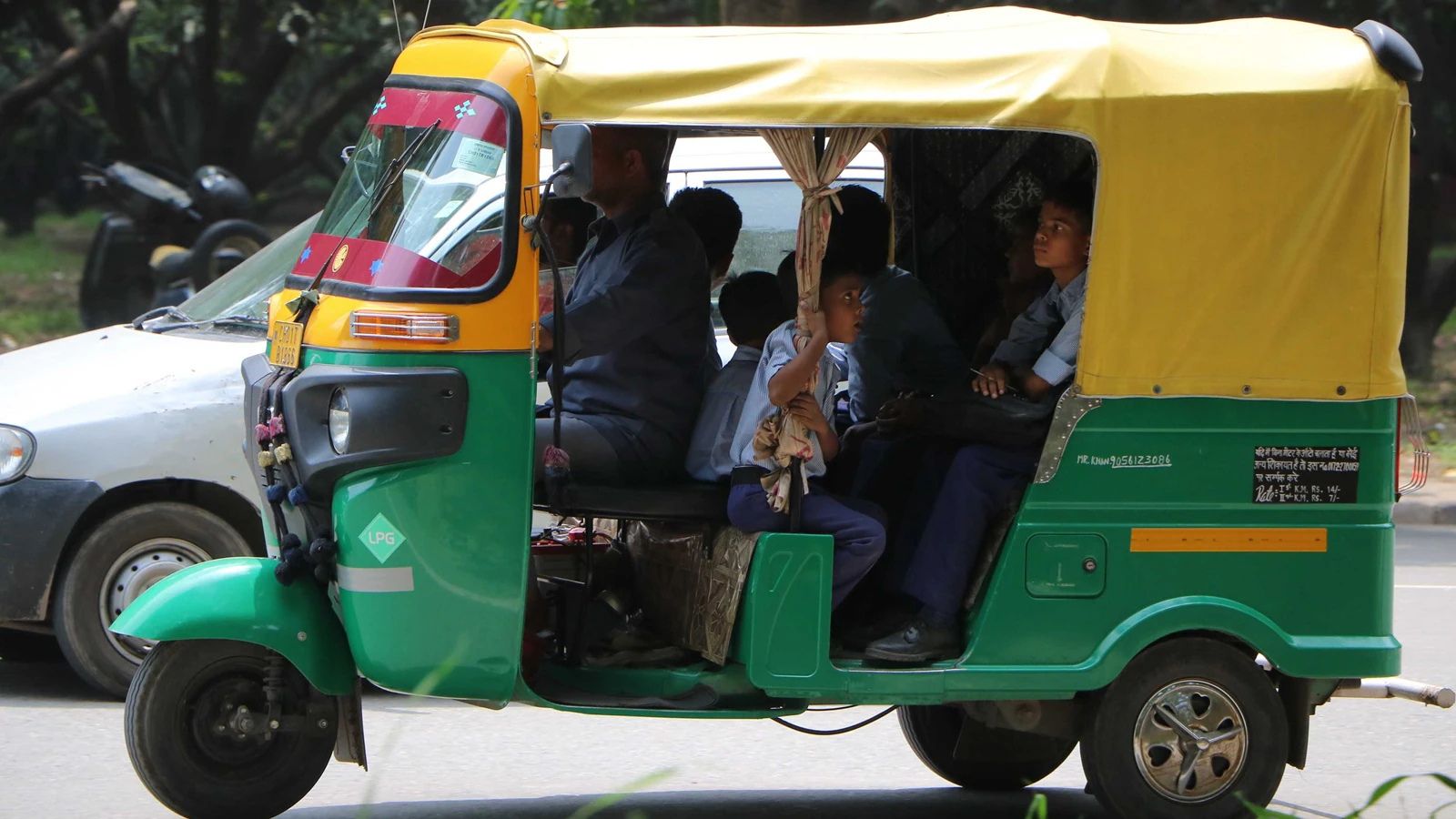
Kolkata’s fragmented autorickshaw fare system is set for a reset, with unions agreeing to implement a standardised increase across the city.
The decision is expected to bring greater consistency to last-mile mobility pricing, while also raising concerns about affordability for daily commuters.The agreement, reached among multiple operator groups, introduces a uniform structure under the Kolkata auto fare hike, replacing a patchwork of route-specific pricing that often varied widely across neighbourhoods. For passengers, the move could reduce ambiguity and fare disputes, particularly on short-distance routes that serve as critical links between metro stations, bus stops, and residential areas.Autorickshaws play a vital role in Kolkata’s urban transport ecosystem, especially in areas underserved by formal public transit. By connecting commuters to larger transport networks, they function as an essential last-mile solution. However, the absence of a standardised fare framework has long been a point of friction, with passengers frequently encountering inconsistent pricing.Transport analysts suggest that the Kolkata auto fare hike reflects both rising operational costs and the need for regulatory alignment.Fuel prices, maintenance expenses, and vehicle financing have increased in recent years, putting pressure on operators to revise fares. A uniform system, they argue, offers predictability for both drivers and commuters, while enabling better oversight by authorities.Yet, the economic impact on commuters is likely to be uneven.
For low- and middle-income households, even marginal fare increases can accumulate significantly over time, particularly for those relying on multiple modes of transport daily. In a city where a large share of the workforce depends on affordable mobility, pricing adjustments can directly influence household expenditure patterns.Urban planners highlight that fare rationalisation must be balanced with broader goals of inclusive mobility. While standardisation improves transparency, it also underscores the need for strengthening affordable, high-capacity public transport options. Without viable alternatives, commuters may face limited choices, especially in peripheral areas.There is also a sustainability angle.Autorickshaws, often running on conventional fuels, contribute to urban emissions. As cities push towards cleaner transport systems, fare reforms could be aligned with incentives for electric or low-emission vehicles. Integrating such transitions into policy frameworks may help cities meet climate targets while maintaining service viability.Officials familiar with the development indicate that enforcement mechanisms and public communication will be critical to the rollout.Clear fare charts, digital payment integration, and grievance redressal systems could help ensure smoother implementation and build commuter trust.
As Kolkata continues to navigate the complexities of urban mobility, the shift towards a uniform fare structure marks an important step in formalising its para-transit sector. The coming months will reveal whether the change can deliver both operational stability for drivers and equitable access for the millions who depend on these services every day.
Also Read:Kolkata Storm Disruption Impacts Flights And Infrastructure
