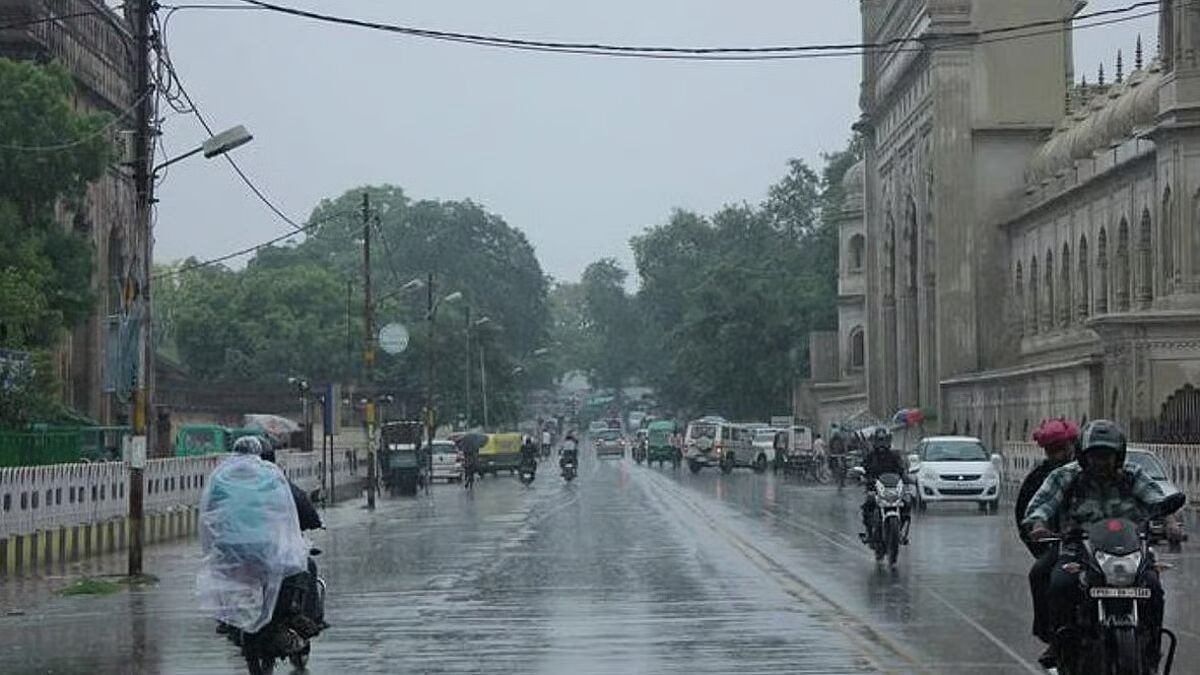
Lucknow Weather Improves After Spell Of Gusty Winds
A shift in weather conditions over Lucknow has brought short-term relief to residents, as clearer skies and calmer conditions follow a period of strong winds and fluctuating temperatures. The change highlights the increasingly volatile transition between winter and summer patterns across northern India, with implications for both urban comfort and regional climate stability.
Recent days saw gusty winds and unsettled weather across Uttar Pradesh, driven by western disturbances and cyclonic activity in the region. These systems triggered cloud cover, intermittent rain, and strong winds, disrupting daily routines and briefly lowering temperatures. However, the current phase is marked by clearer skies and relatively stable conditions, offering respite from the earlier intensity of cold winds. According to meteorological observations, Lucknow is now experiencing partly cloudy to clear skies, with temperatures ranging between 20°C and 35°C in the coming days. The improvement, though temporary, reflects a typical early April weather cycle in the region—where alternating systems bring brief relief before heat intensifies. Experts note that while daytime conditions have become more comfortable, underlying atmospheric instability persists, with the possibility of renewed clouding, rain, or thunderstorms later in the week. From an urban perspective, such fluctuations pose challenges for city systems. Sudden shifts between windy, rainy, and clear conditions can affect transport reliability, construction timelines, and energy demand patterns. For instance, gusty winds in recent days have been linked to minor disruptions in mobility and outdoor activities, particularly in densely populated areas.
The broader climate context adds another layer of concern. Northern India has been witnessing increasing variability in pre-summer weather, with frequent western disturbances extending deeper into the plains. This results in a mix of heat, humidity, and sudden cooling episodes—conditions that are becoming more unpredictable year-on-year. For residents, the current clear spell offers a window of comfort, especially after days of strong winds and unstable skies. However, meteorologists caution that such relief phases are often short-lived. Forecasts indicate that another round of cloud formation and possible rainfall could return as atmospheric systems remain active over the region. In the context of seasonal transition, April typically marks the onset of sustained heat across Lucknow, with average daytime temperatures often climbing above 39°C later in the month. The current moderation in weather is therefore likely a brief pause before temperatures rise again. Urban planners and climate experts increasingly emphasise the need for adaptive city systems that can respond to such variability. This includes resilient infrastructure, better weather forecasting integration, and public awareness mechanisms to manage sudden changes in environmental conditions.
While the return of clear skies has improved immediate comfort levels, the underlying pattern of erratic weather underscores a larger shift. For cities like Lucknow, managing these transitions will be key to ensuring both urban resilience and quality of life as climate variability becomes a defining feature of seasonal change.