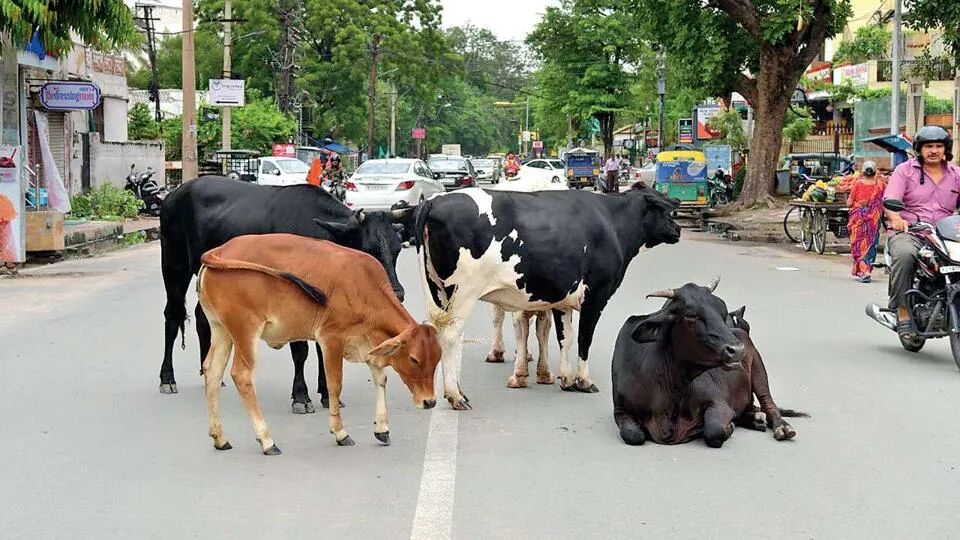
Patna Street Play Highlights Cattle Welfare Concerns
A public street performance in Patna has brought attention to the often-overlooked issue of cattle exploitation, using theatre as a medium to engage citizens in conversations around animal welfare and ethical urban practices. The initiative reflects a growing trend where civic messaging is increasingly embedded in cultural formats to influence behaviour in rapidly expanding cities.
The performance, staged in a high-footfall public area, sought to highlight the conditions faced by cattle, including neglect, mistreatment, and the absence of structured welfare systems. Designed to capture the attention of passers-by, the play used storytelling and visual cues to communicate the need for humane treatment and stronger enforcement of existing animal protection norms. Urban planners and social sector observers note that such interventions are becoming more relevant as Indian cities grapple with the intersection of informal economies and animal management. In many urban centres, cattle are closely tied to livelihoods—particularly in dairy and transport-linked activities—yet remain outside formal regulatory frameworks. This often results in poor living conditions for animals and safety challenges for residents.
The Patna event underscores how awareness campaigns are evolving beyond traditional outreach models. Street theatre, in particular, offers a low-cost, high-impact tool for public engagement, especially in cities where digital access remains uneven. By bringing the message directly into shared public spaces, organisers can engage a broader demographic, including informal workers and daily commuters. The issue of cattle welfare also intersects with urban infrastructure planning. Stray and poorly managed cattle contribute to road safety risks, waste mismanagement, and public health concerns. Experts argue that addressing these challenges requires a combination of regulatory enforcement, dedicated infrastructure such as shelters, and behavioural change among citizens.
Recent civic initiatives across Bihar have similarly used participatory formats—including street plays and community campaigns—to address environmental and social issues, from air pollution to public health awareness. These efforts indicate a broader shift toward decentralised communication strategies that rely on community involvement rather than top-down messaging. From an economic perspective, improving cattle welfare has implications for both urban and peri-urban systems. Healthier livestock can enhance productivity in the dairy sector, while better management reduces the strain on municipal services. At the same time, ensuring humane practices aligns with evolving consumer awareness around ethical sourcing and sustainability.
The Patna street play highlights the role of civic culture in shaping urban outcomes. While policy frameworks for animal protection exist, their effectiveness often depends on public awareness and participation. As cities continue to expand, integrating such grassroots engagement with formal planning could help bridge gaps between regulation and on-ground realities. Going forward, the challenge lies in translating awareness into sustained action—through improved infrastructure, stronger monitoring mechanisms, and community-driven stewardship models that recognise both the economic and ecological role of cattle in urban India.