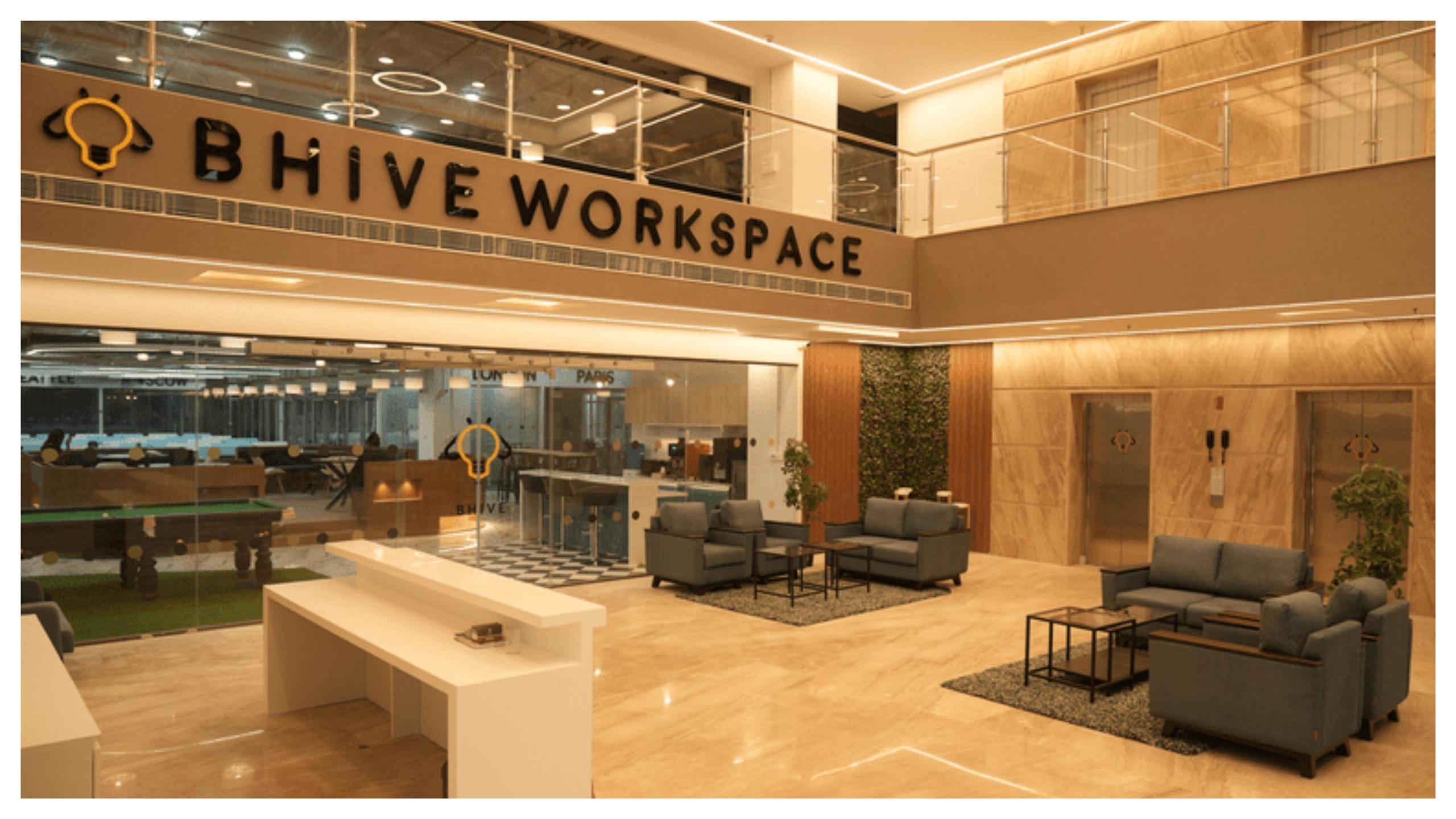
BHIVE Workspace Enters North Bengaluru Office Market
A significant office leasing transaction in Bengaluru’s northern corridor is underscoring the city’s evolving commercial geography, as BHIVE Workspace secures a large-format facility in Hebbal. The move highlights growing occupier interest in decentralised business districts, driven by infrastructure access and changing workplace strategies.
The managed workspace provider has taken up approximately 1.4 lakh square feet within Phoenix Asia Towers, marking its first presence in north Bengaluru. The campus is expected to host over 2,500 professionals and will cater to a mix of enterprise and flexible office requirements, including customised managed spaces and shared work environments. Industry observers note that north Bengaluru, particularly Hebbal, is transitioning from a peripheral zone into a strategic business hub. Its proximity to the airport corridor, expanding road networks, and access to residential clusters has improved its appeal for companies seeking distributed office footprints. This shift is increasingly relevant as firms look to reduce commute times and create more accessible workplaces for employees.
The transaction also reflects a broader expansion strategy by BHIVE Workspace, which is scaling up its portfolio through large, campus-style developments. Such formats are gaining traction among enterprises that prefer flexible lease structures while retaining control over branding, infrastructure, and employee experience. Analysts say this hybrid approach is becoming central to post-pandemic office planning. The development is promoted by The Phoenix Mills Limited, known for integrating retail, commercial, and lifestyle infrastructure. Mixed-use environments like this are increasingly influencing leasing decisions, as occupiers prioritise access to amenities, public spaces, and services within walking distance. Urban planners suggest that such integrated ecosystems can reduce intra-city travel demand and support more sustainable patterns of work and consumption. The rise of large flexible workspaces in emerging corridors also signals a redistribution of commercial activity across Bengaluru. While traditional districts such as the central business area and Outer Ring Road continue to see demand, newer micro-markets are benefiting from infrastructure-led growth and land availability.
This decentralisation could ease pressure on congested zones while enabling more balanced urban expansion. From a city planning perspective, the trend aligns with the need for polycentric development where multiple business hubs coexist across a metropolitan region. Experts argue that this model can improve resilience by dispersing economic activity, reducing traffic congestion, and supporting more inclusive access to jobs. As flexible workspace operators expand into these growth corridors, the next phase of Bengaluru’s office market may be shaped less by centralisation and more by connectivity, liveability, and integrated urban design. The challenge ahead will be ensuring that infrastructure, public transport, and civic amenities keep pace with this rapid spatial shift.