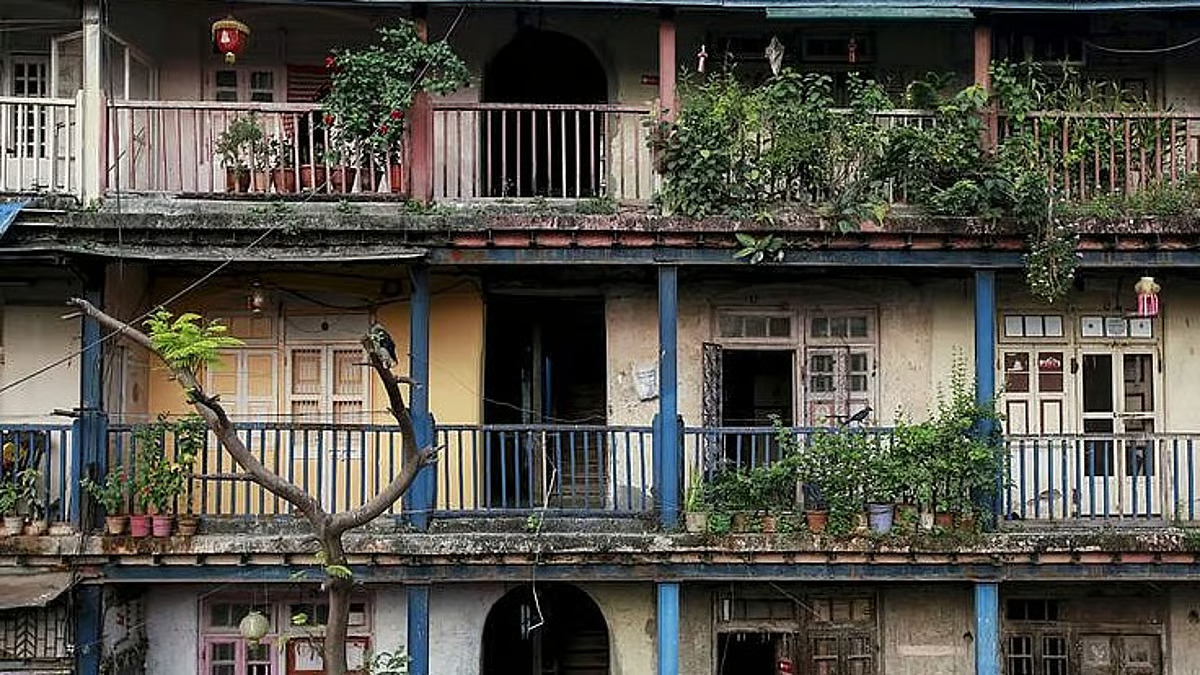
The long-delayed redevelopment of ageing residential buildings owned by a public sector insurer in South Mumbai has moved back into focus, with renewed assurances from the Union government raising cautious optimism among thousands of residents living in structurally unsafe conditions. The development comes at a critical time, as the monsoon season approaches and concerns over building safety intensify.
Around 25 such buildings in the southern part of the city have been categorised as unfit for habitation under civic guidelines, with several already partially vacated following notices from housing authorities. Despite their classification, a significant number of families continue to occupy these structures, citing delays in rehabilitation planning and lack of viable alternatives. Urban housing experts point out that the issue highlights a persistent challenge in Mumbai’s redevelopment landscape—aligning institutional ownership with timely execution. In this case, procedural delays, particularly in appointing project management consultants, have slowed progress on initiating redevelopment work. Without these appointments, the transition to developer selection and construction phases remains stalled.
Residents’ groups have raised concerns over prolonged uncertainty, noting that many of the buildings are several decades old and have shown visible structural deterioration. The situation is compounded by high daily footfall in these mixed-use structures, which increases safety risks for both occupants and visitors. Officials familiar with the matter indicate that the central government has acknowledged the urgency of the situation and emphasised adherence to state housing norms for redevelopment. Priority is expected to be given to buildings classified in the most critical condition, with a focus on expediting approvals and ensuring compliance with rehabilitation policies.
The broader implications extend beyond immediate safety concerns. Delays in redevelopment can affect urban land utilisation in prime city areas, where outdated buildings occupy valuable space that could otherwise be transformed into safer, more efficient housing. At the same time, ensuring equitable rehabilitation remains essential, particularly for long-term tenants who depend on clear entitlement frameworks. Residents have also called for greater transparency in the redevelopment process, including clarity on timelines, developer selection, and interim housing arrangements. Key demands include provision of temporary accommodation, protection from eviction during transition, and guarantees that all eligible occupants will be accommodated in the redeveloped properties.
From a policy perspective, the case underscores the importance of institutional coordination between central agencies, state housing authorities, and urban local bodies. Experts argue that streamlined processes and time-bound execution are critical to addressing Mumbai’s ageing building stock, particularly in densely populated heritage precincts. As discussions progress, the next phase will depend on converting policy intent into on-ground action. For thousands of residents in South Mumbai, the outcome will determine not just housing security, but also the pace at which the city can modernise its built environment while safeguarding vulnerable communities.
Mumbai LIC Buildings Redevelopment Push Gains Momentum