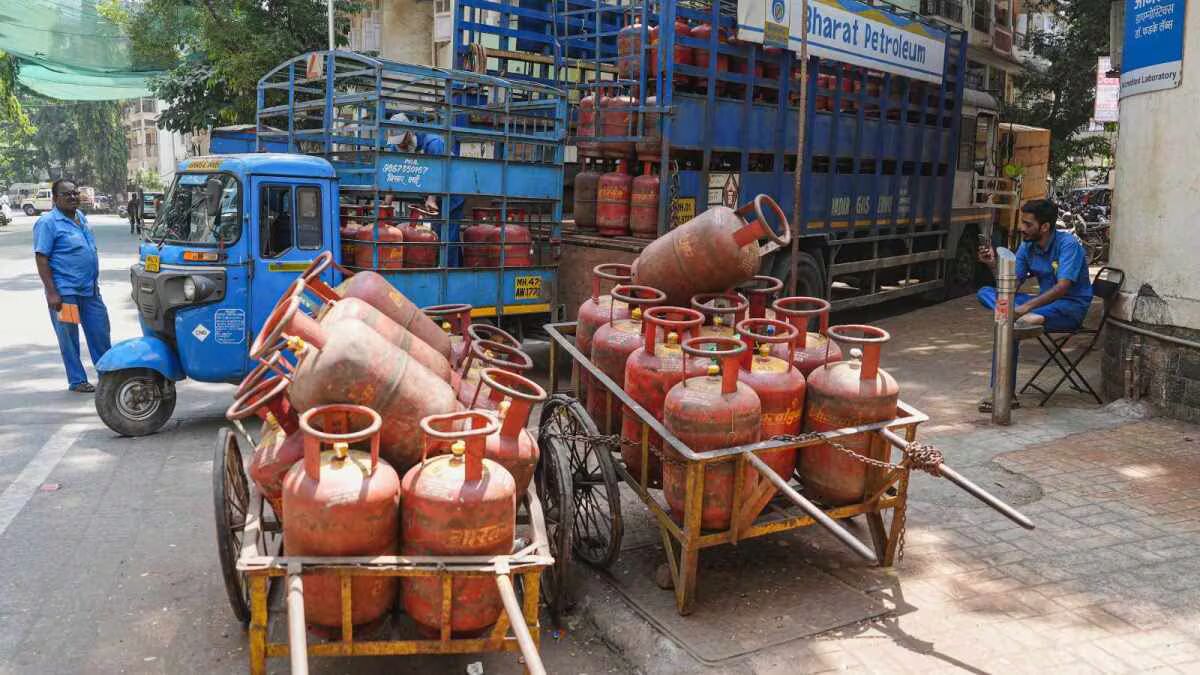
Hyderabad LPG Shortage Disrupts Urban Transport Costs
A prolonged shortage of LPG in Hyderabad is beginning to ripple through the city’s transport ecosystem, pushing up commuter costs and exposing vulnerabilities in fuel-dependent urban mobility systems. The disruption has particularly impacted auto-rickshaw services, a critical last-mile transport option for thousands of daily commuters.
Auto drivers across the city report difficulties in securing LPG refills, leading to reduced vehicle availability and higher fares. Many operators are either limiting trips or passing on increased fuel costs to passengers, making routine travel more expensive and less predictable. The shortage comes at a time when urban mobility demand remains high, especially in densely populated residential and commercial zones.The Hyderabad LPG crisis transport impact highlights the interconnected nature of energy supply and urban mobility. Unlike larger public transport systems, which may have diversified fuel sources, informal and semi-formal transport networks such as auto-rickshaws remain heavily reliant on LPG. Any disruption in supply directly affects service availability and pricing.Officials acknowledge that supply constraints have emerged due to logistical bottlenecks and distribution challenges. While efforts are underway to stabilise availability, the immediate impact is being felt across commuter segments that depend on affordable and flexible transport options. For many low- and middle-income residents, auto-rickshaws serve as a primary mode of daily travel, making cost increases particularly burdensome.
Urban mobility experts note that the Hyderabad LPG crisis transport impact underscores a larger structural issue—overdependence on a single fuel type in key segments of the transport network. In the absence of diversified energy alternatives, such systems remain highly vulnerable to supply shocks, affecting both operators and users.The crisis also has economic implications for drivers, many of whom operate on thin margins. Rising fuel costs without proportional fare adjustments can reduce earnings, while inconsistent supply disrupts working hours and trip volumes. This creates a dual pressure on livelihoods and service reliability within the city’s informal transport economy.From a planning perspective, the situation raises questions about the resilience of Hyderabad’s urban mobility framework. As cities expand, ensuring stable and diversified energy sources for transport becomes essential to maintaining affordability and accessibility. Experts suggest that promoting electric mobility, expanding CNG infrastructure, and strengthening public transport systems could reduce dependence on LPG in the long term.The issue also intersects with broader sustainability goals. Transitioning towards cleaner and more stable energy sources in urban transport can help reduce emissions while improving system resilience. However, such transitions require coordinated policy support, infrastructure investment, and incentives for adoption.
Authorities are exploring interim measures, including streamlining LPG distribution and prioritising supply for commercial transport users. Yet, without structural changes, similar disruptions may recur.As Hyderabad continues to grow, the Hyderabad LPG crisis transport impact serves as a reminder that energy security is central to urban mobility. Addressing these vulnerabilities will be critical to ensuring that cities remain accessible, affordable, and resilient for all sections of society.