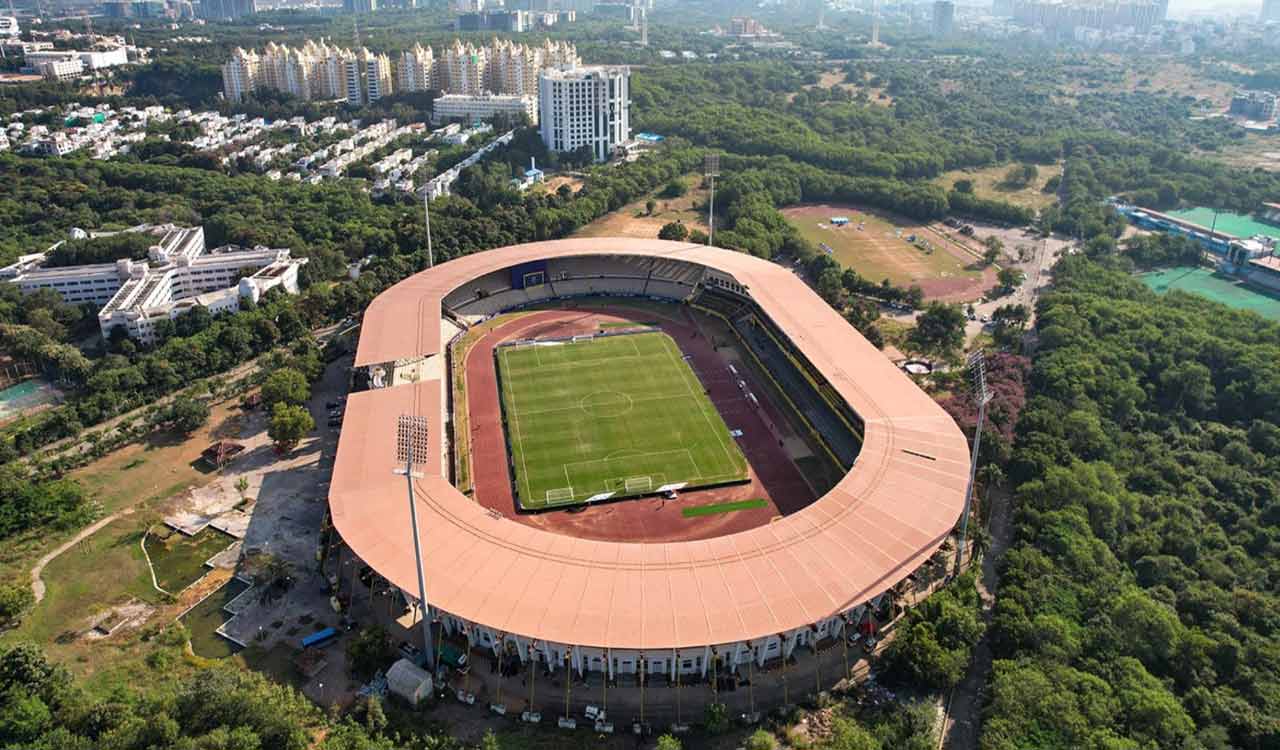
Hyderabad Gachibowli Stadium Upgrade Targets Global Events
Hyderabad is preparing for a major upgrade of its sports infrastructure, with plans to transform Gachibowli Stadium into a world-class facility capable of hosting global events. The proposed redevelopment signals a broader push to position the city as a competitive hub for international sports, with implications for urban infrastructure, investment, and economic activity.
The Telangana government has outlined a comprehensive modernisation plan for the stadium, including advanced amenities and improved accessibility. A foundation stone for the redevelopment is expected to be laid on June 2, aligning with Telangana Formation Day, with authorities aiming to finalise an execution roadmap ahead of the launch. The Hyderabad Gachibowli stadium upgrade is part of a larger strategy to elevate sports infrastructure across the state. Officials have indicated that the revamped facility will incorporate features such as enhanced spectator experiences, digital integration, and even dedicated aviation access to improve connectivity for athletes and officials. Urban planners view this development as a strategic infrastructure investment rather than a standalone sports project. Stadium upgrades of this scale typically trigger improvements in surrounding transport networks, hospitality ecosystems, and commercial activity. In Gachibowli—already a major IT and business district—such investments could further strengthen its role as a multi-functional urban hub.The project also aligns with a longer-term ambition to position Hyderabad as a potential host for international sporting events, including Olympic-level competitions. State leadership has emphasised the need to build facilities that meet or exceed global benchmarks, reflecting a shift from event-specific infrastructure to long-term, multi-use urban assets.
From an economic perspective, the Hyderabad Gachibowli stadium upgrade could catalyse investment across sectors such as tourism, real estate, and urban services. Large sporting venues often act as anchors for mixed-use development, attracting hotels, retail spaces, and recreational facilities that contribute to local economic growth.However, experts caution that such projects must be integrated into broader urban planning frameworks to ensure long-term viability. Without strong utilisation strategies, large stadiums risk underuse outside major events. This places emphasis on designing flexible spaces that can host diverse activities, from sports and entertainment to community events.Sustainability is another emerging consideration. Modern stadium redevelopment increasingly incorporates energy-efficient systems, water management solutions, and low-carbon materials. Integrating such features will be critical if the project is to align with evolving climate-resilient urban development goals.The upgrade also reflects a policy shift towards strengthening institutional frameworks for sports management. Authorities have indicated that governance structures overseeing the project will have operational autonomy, aimed at improving efficiency and long-term financial sustainability.
As Hyderabad continues to expand as a technology and business centre, investments like the Hyderabad Gachibowli stadium upgrade highlight the growing intersection between urban infrastructure and lifestyle economies. The success of the project will ultimately depend on execution timelines, integration with city systems, and its ability to generate sustained public and economic value.