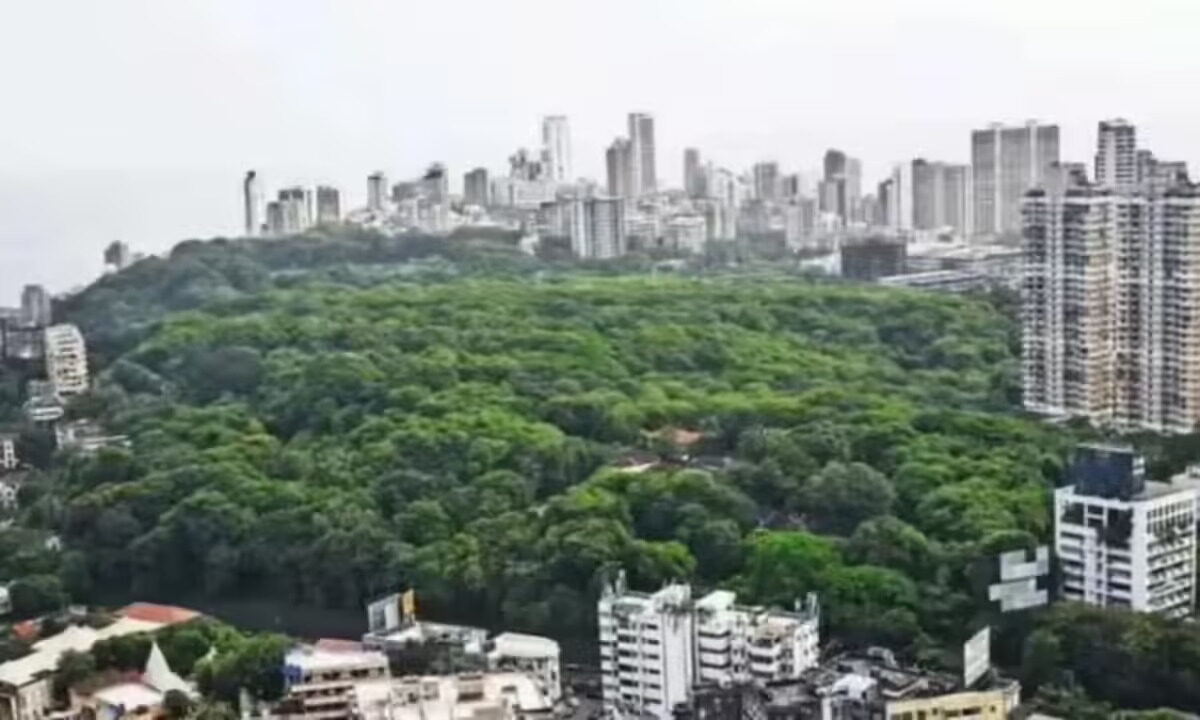
A proposed auxiliary water storage facility in Mumbai’s Malabar Hill has triggered renewed opposition from residents, raising concerns over its environmental implications and the long-term planning approach to critical urban infrastructure. The project, intended to support the phased restoration of an ageing reservoir, is now facing scrutiny over its potential impact on one of the city’s most ecologically sensitive and historically significant neighbourhoods.
Civic authorities are evaluating the construction of a 52 million litres per day (MLD) alternate tank as part of a broader plan to rehabilitate an existing reservoir that serves large parts of South Mumbai. The proposed structure, designed as a multi-tier system with underground and elevated components, is aimed at ensuring uninterrupted water supply during repair works. However, residents argue that the intervention could come at a cost to the area’s already limited green cover. Local groups have indicated that they will formally approach the municipal administration, questioning both the necessity and the location of the alternate facility. Concerns centre on the likelihood of tree removal and transplantation, which urban environmentalists say often results in low survival rates and long-term ecological degradation. The Malabar Hill precinct, which includes heritage landscapes and dense vegetation, plays a critical role in maintaining microclimatic balance in the city’s southern peninsula.
The issue also revives memories of an earlier proposal to redevelop the reservoir through full demolition and reconstruction, which faced strong public resistance due to its potential impact on the iconic gardens above the site. Following that episode, authorities shifted to a phased repair model, contingent on creating temporary storage capacity elsewhere within the same zone. Urban planners note that while maintaining water supply infrastructure is essential for a growing city, project design must align with climate-sensitive planning principles. “In high-density urban cores, infrastructure upgrades need to be evaluated not just for technical feasibility, but for ecological footprint and community impact,” said an expert familiar with urban water systems.
The Malabar Hill tank proposal also highlights broader challenges in balancing infrastructure renewal with environmental preservation. As Mumbai continues to upgrade ageing utilities, the pressure on limited open spaces and green buffers is intensifying. Experts suggest that alternative engineering approaches—such as sectional repairs or decentralised storage—should be explored to minimise disruption. From a governance perspective, the debate underscores the need for transparent consultation processes and evidence-based decision-making. Residents have pointed out the absence of publicly available technical studies that justify the need for a new tank at the proposed site, calling for greater clarity before irreversible steps are taken.
As discussions between stakeholders and civic authorities continue, the outcome of this dispute could set an important precedent for how Mumbai approaches infrastructure upgrades in environmentally sensitive zones. The coming weeks are likely to determine whether the project proceeds in its current form or undergoes significant redesign to address ecological and community concerns.
Malabar Hill Water Tank Plan Draws New Objections