Delhi Slum Rehabilitation Policy Plans Modern Facilities
Delhi authorities are preparing a revised housing framework aimed at reshaping how informal settlements are redeveloped across the capital. The proposed Delhi slum rehabilitation policy is expected to introduce improved community facilities and updated eligibility criteria for permanent housing, signalling a shift towards more comprehensive urban resettlement planning in a city where hundreds of informal clusters continue to house large populations. Urban development officials indicate that the policy, currently in its final stages of review, seeks to integrate social infrastructure within rehabilitation sites rather than treating housing as a standalone intervention. Planned facilities may include neighbourhood commercial spaces, designated parking areas and charging infrastructure for electric rickshaws—an important transport mode for last-mile mobility in many parts of the capital.
The evolving Delhi slum rehabilitation policy also proposes the inclusion of schools, citizen service centres and improved sanitation systems designed with a stronger focus on women’s safety and accessibility. Urban planners say such additions are increasingly viewed as essential for creating functional neighbourhoods rather than isolated housing blocks. Delhi currently has roughly 750 informal settlements scattered across the city. A significant portion of these clusters are located on land controlled by central government agencies, including railway authorities and land management offices, while the rest occupy land under the jurisdiction of the city government. Rehabilitation efforts therefore involve coordination among multiple public institutions responsible for housing, land and urban infrastructure. Under the existing rehabilitation framework introduced in the mid-2010s, relocation programmes prioritise resettling households either at the same site or within a limited radius. The goal has been to prevent disruption to livelihoods by ensuring that relocated families remain close to their workplaces, schools and social networks.
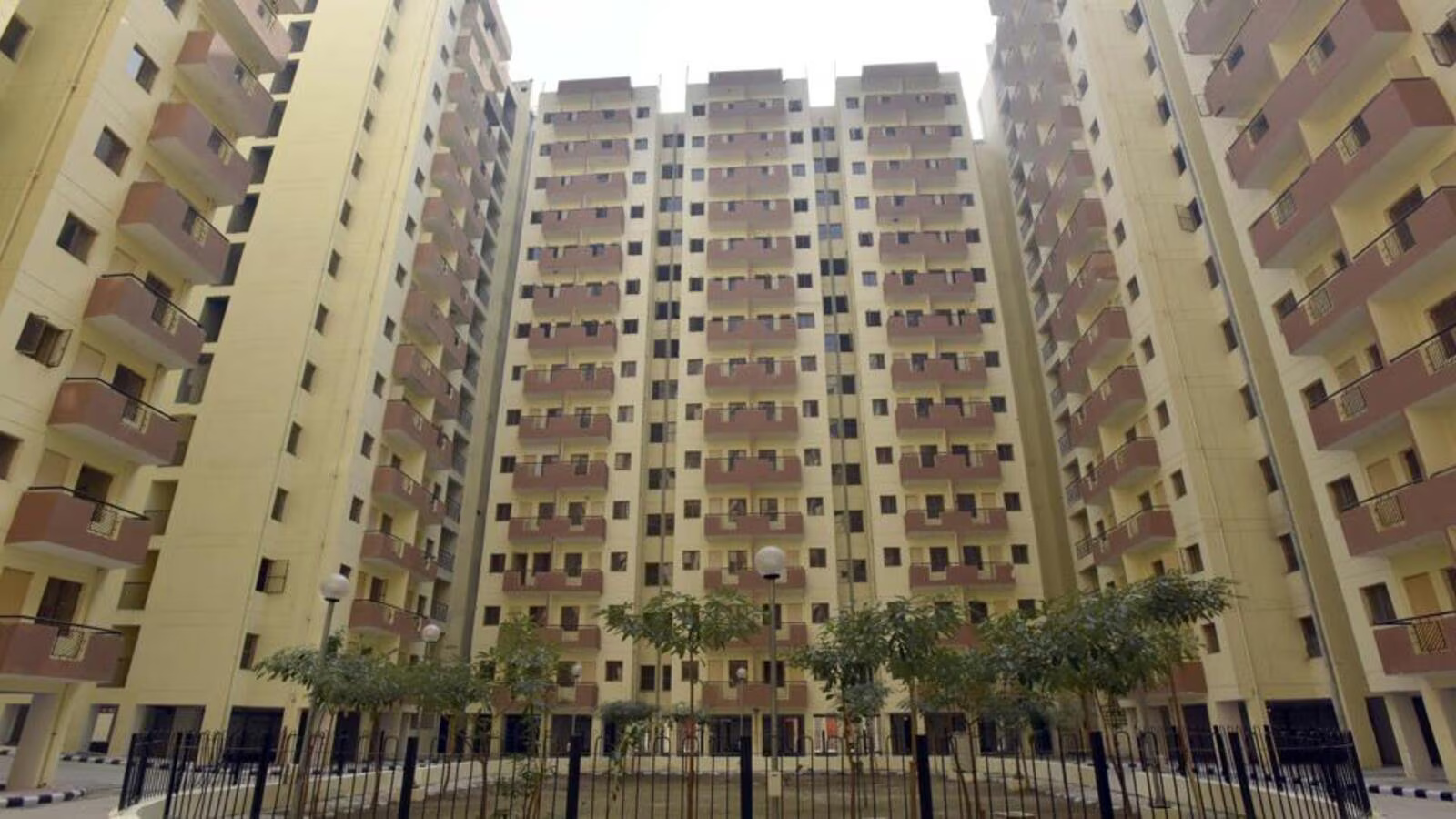
Housing units provided through these schemes typically measure around 25 square metres and are offered to eligible households at subsidised rates, with residents contributing a portion of the cost as well as maintenance charges for common services. Since the late 2000s, tens of thousands of such apartments have been constructed across multiple resettlement colonies on the city’s outskirts. The revised Delhi slum rehabilitation policy is expected to expand eligibility for housing by updating the cut-off date used to determine who qualifies for relocation benefits. If implemented, the change could allow a larger number of long-term residents living in informal settlements to access formal housing schemes. Urban policy specialists say updating eligibility criteria reflects the reality that many settlements have continued to grow over the past decade. Without revising policy frameworks periodically, large segments of residents risk being excluded from rehabilitation programmes. Experts also emphasise the importance of integrating economic opportunities within redevelopment plans. Small commercial spaces and service centres can provide livelihoods for residents transitioning from informal settlements to planned housing environments.
As Delhi continues to balance rapid urban growth with social equity challenges, the proposed Delhi slum rehabilitation policy could influence how the capital addresses housing shortages while promoting more inclusive neighbourhood development. The final policy, once approved, will determine how future resettlement projects combine housing provision with essential urban services and local economic activity.