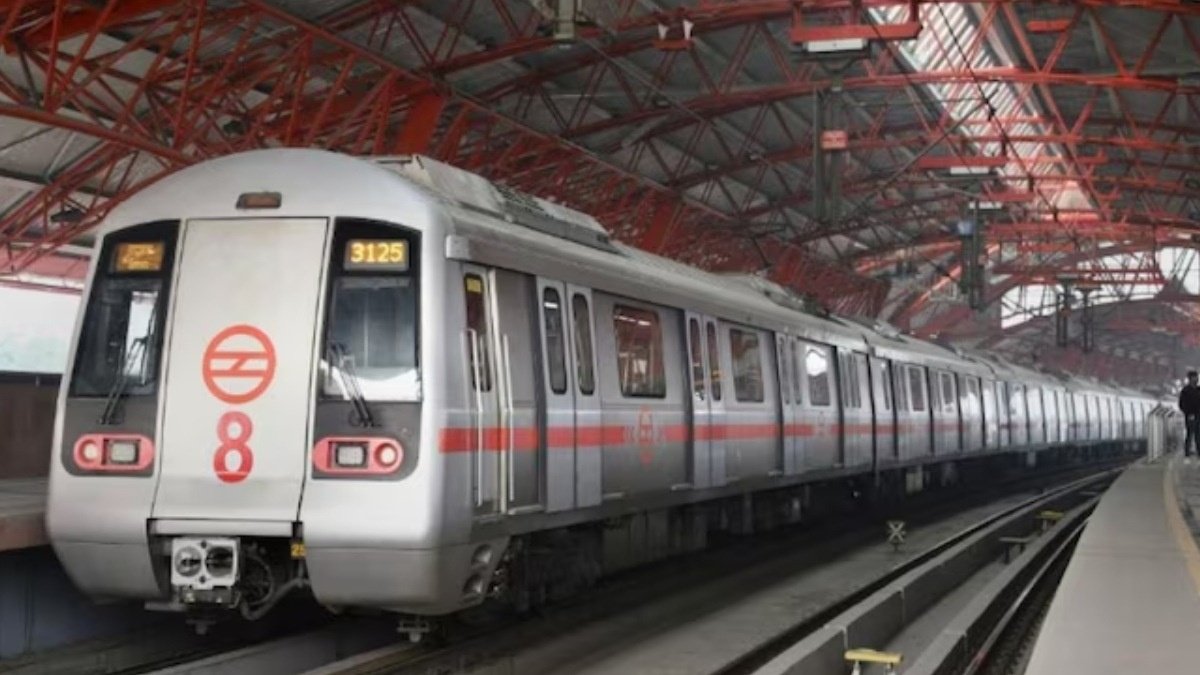
Delhi Metro Expansion Advances With Fresh Phase Three Funding Support
A significant financial allocation from the national budget is expected to stabilise the funding structure for Delhi’s ongoing metro expansion, helping the city’s rail transit authority sustain construction under the third phase of its network growth programme. The funding package, valued at over ₹2,200 crore, forms part of a broader effort to keep large urban infrastructure projects moving despite rising capital requirements. Officials involved in the project say the financial support will strengthen the implementation of Delhi Metro Phase III funding, ensuring that key construction activities remain aligned with planned timelines. The third expansion phase represents one of the largest additions to the capital’s urban rail network, aimed at improving connectivity between densely populated residential areas and major employment corridors.
The funding structure combines multiple components, including equity investment, subordinate debt and institutional borrowing. Such mixed financing mechanisms are common in large public transport projects, allowing infrastructure agencies to distribute financial risk while maintaining long-term affordability for operations. Urban transport specialists note that the Delhi Metro Phase III funding package arrives at a critical moment in the project’s lifecycle. Construction had already begun across several corridors when funding pressures intensified due to the scale of engineering work and land acquisition requirements associated with expanding the network. Phase III of the metro system focuses on extending rail connectivity to neighbourhoods that previously relied heavily on road-based transport. By bringing rapid transit closer to residential clusters, planners aim to reduce traffic congestion and support a shift toward cleaner, high-capacity mobility options. Industry experts emphasise that metro expansion plays a central role in building climate-resilient cities. Electric rail transit produces significantly lower emissions per passenger compared to private vehicles or diesel buses.
As Delhi continues to grapple with air quality challenges and rising transport demand, investment in rail infrastructure is increasingly viewed as a cornerstone of sustainable urban mobility. International financing institutions are also expected to support the project through concessional loans. Such partnerships have historically been important for metro development in India, providing long-term financing at favourable interest rates while enabling cities to adopt advanced engineering and project management practices. According to infrastructure analysts, consistent financial support remains one of the most important factors in ensuring that large-scale transit systems are delivered on schedule. Delays in funding can slow construction, increase project costs and disrupt planning for associated urban development around transit corridors. The expansion under Phase III is designed not only to improve daily commuting but also to reshape the spatial growth of the city. Transit-oriented development around metro stations has the potential to encourage compact, mixed-use neighbourhoods where residents can access jobs, services and housing with reduced dependence on private vehicles.
As construction progresses, the Delhi Metro Phase III funding framework will continue to play a crucial role in sustaining the momentum of one of India’s most significant urban transport projects. For a city where millions depend on efficient mobility each day, the continued expansion of the metro network remains central to improving accessibility, reducing emissions and supporting inclusive economic growth.